
3D Doritos
Hollow, puffed, three-dimensional Doritos that dissolved on your tongue the instant you crunched them. They tasted vaguely like all the regular Doritos flavors but somehow better, and then Frito-Lay decided we didn't deserve them anymore.
46 items
Hollow, puffed, three-dimensional Doritos that dissolved on your tongue the instant you crunched them. They tasted vaguely like all the regular Doritos flavors but somehow better, and then Frito-Lay decided we didn't deserve them anymore.

The stretchy, tangy taffy bar in the loud mylar wrapper — Blue Raspberry stained your tongue, and White Mystery was a gamble by design. Fifty cents of pure lunchbox status.

The gummy ring with the sour-sugar punch — a 1990s candy-aisle staple that came in two main flavors: Trolli's tart green-apple rings and the ubiquitous peach rings. These weren't just chewy gummies; they had that distinctive sanded-sugar coating that made your mouth pucker and kept you coming back. A bagged candy essential for road trips, gas stations, and after-school snacking through the decade.

You smelled it before you saw it. The mall pretzel counter where the dough got rolled and twisted right in front of you, then came over the counter hot, salted, and slightly too big to finish. Butter or cinnamon sugar, a paper sleeve, and a cup of Dutch Ice — the food court's most reliable pleasure.
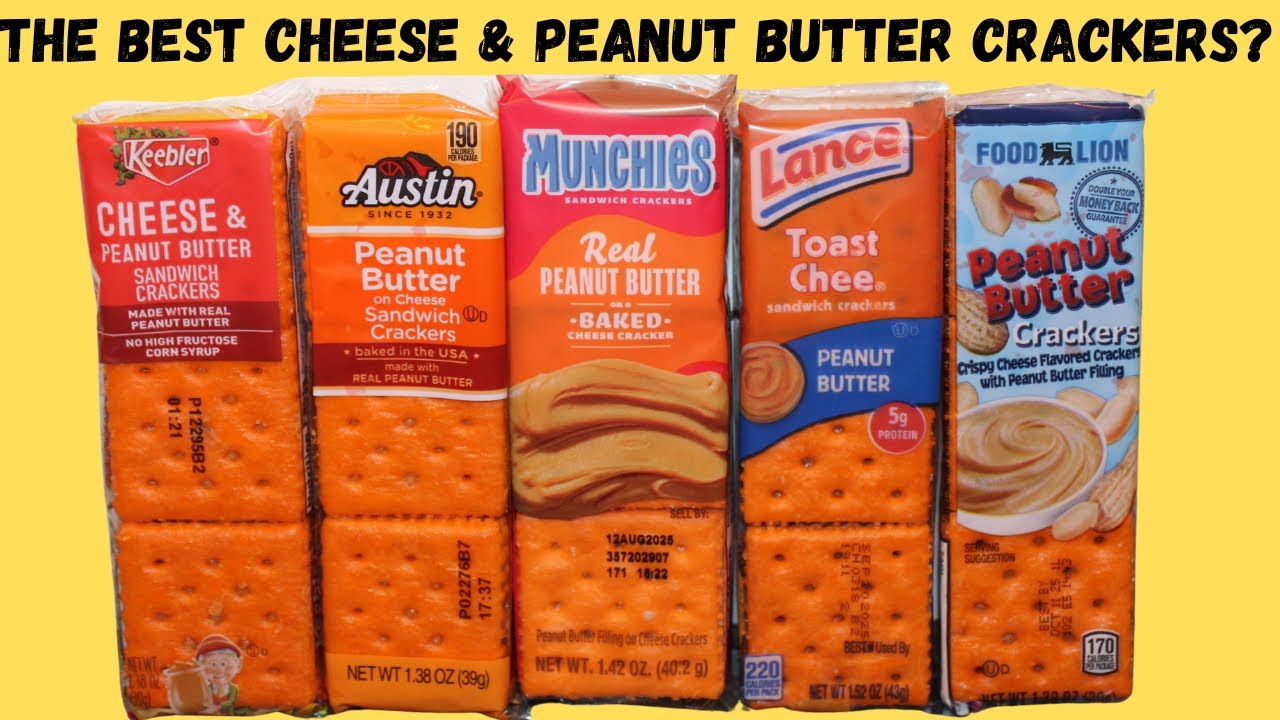
The unnaturally orange cracker sandwiches in the crinkly six-pack — cheese crackers hugging peanut butter, dispensed by every vending machine, gas station, and lunchbox of the 90s. Austin wasn't the fancy option. Austin was the one that was actually there.

Mini-bagels topped with tomato sauce and melty cheese, baked from frozen — and burned into memory by a jingle promising pizza in the morning, pizza in the evening, pizza at suppertime.
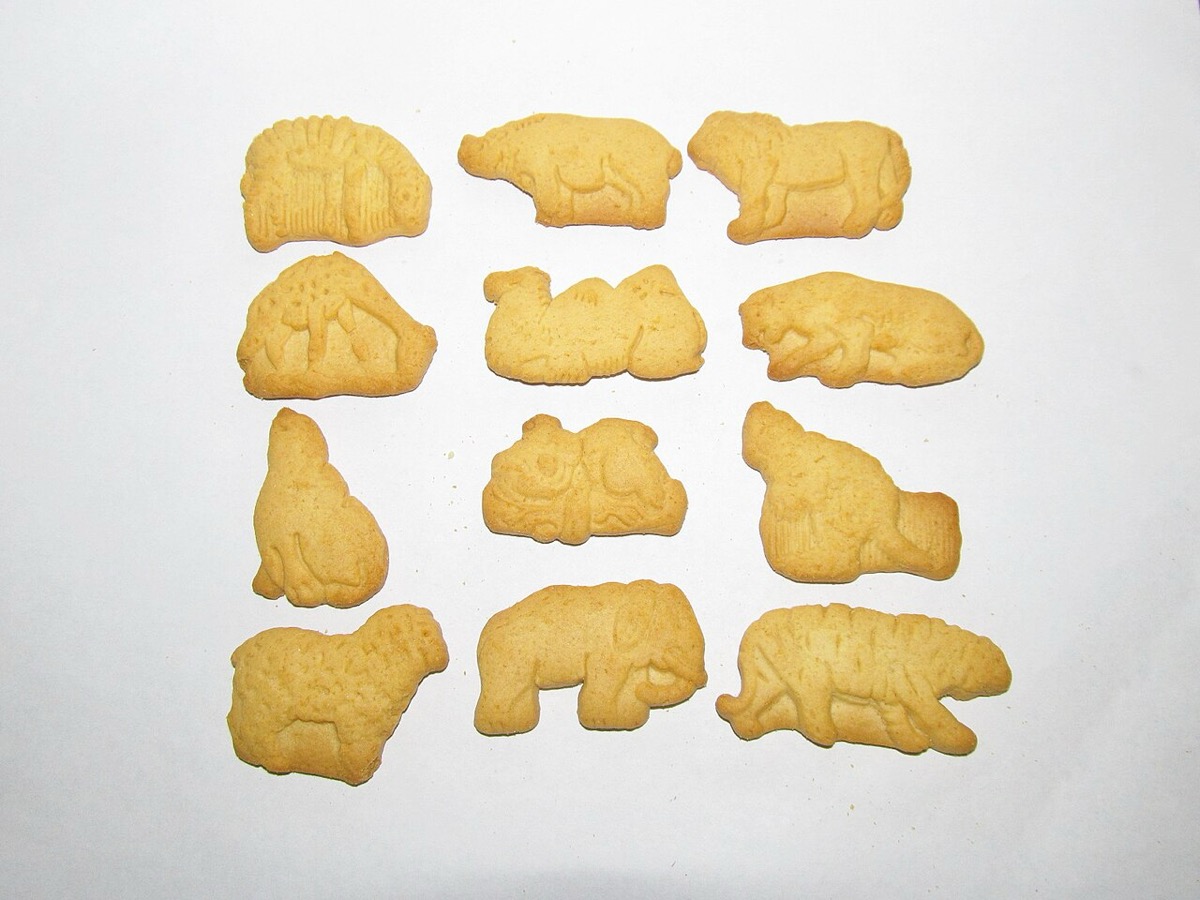
The little circus-wagon box of animal-shaped cookies with the string handle — worn around the neck like a tiny snack pendant by generations of kids. Nabisco's Barnum's Animals date to 1902, when the string was added so the box could hang on a Christmas tree, and they never left the grocery shelf.

Good Humor's baseball-glove ice-cream pop, with a bubble-gum "baseball" tucked in the mitt. A mid-'90s ice-cream-truck treat that paired a frozen cherry glove with a gumball prize — then quietly vanished.
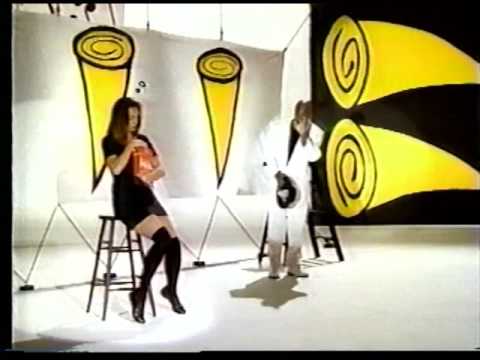
Corn horns you were morally obligated to wear as witch fingernails before eating. General Mills' Bugles hit shelves nationally in 1966 and outlived every snack sibling they launched with — Whistles, Daisys, Buttons, and Bows all vanished so the claw ritual could live forever.
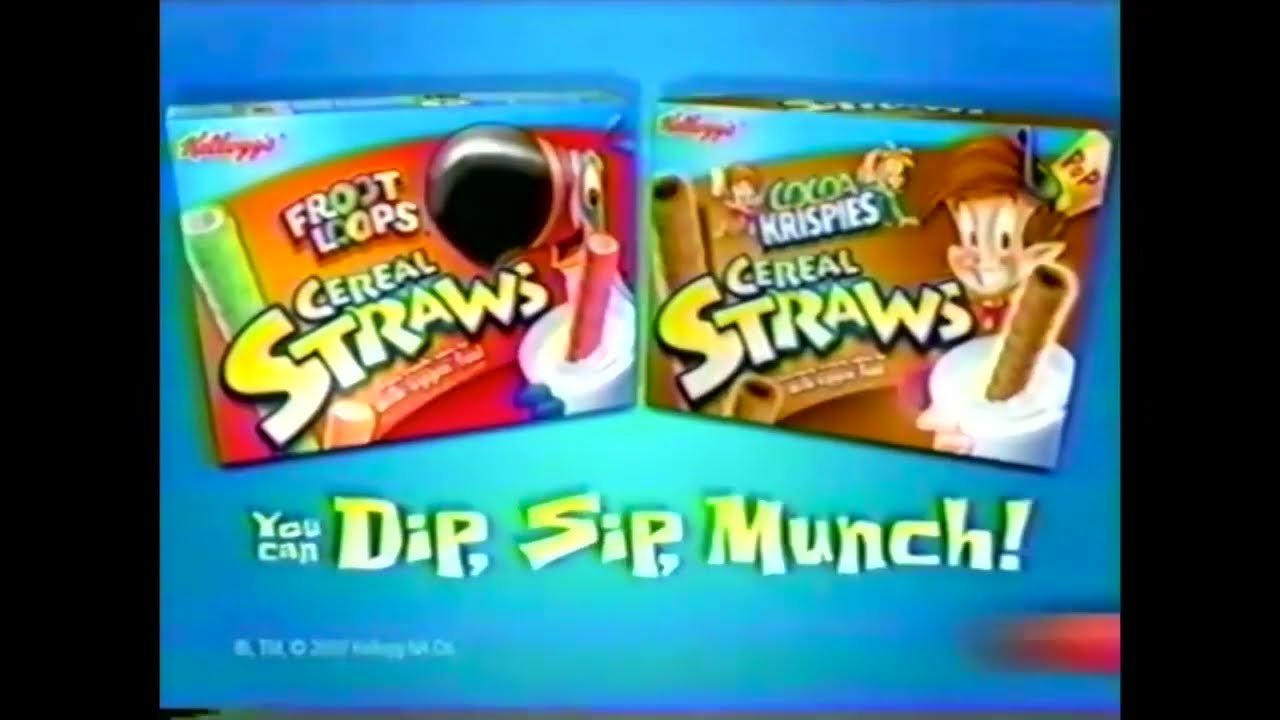
Kellogg's answer to a question every kid had already asked: what if the straw itself tasted like Froot Loops? Crunchy cereal tubes with a sweet milky lining that turned any glass of milk into dessert — gone in two years, mourned for a decade.

Orange dust on your fingers, your homework, and everything you owned. Cheetos had been around since 1948, but the 90s belonged to Chester Cheetah — sunglasses, sneakers, and "It ain't easy bein' cheesy."

A cinnamon roll the size of a dinner plate, buried under cream cheese frosting that pooled in the box. You could smell the counter from the other end of the mall, which was not an accident. Nobody ever finished one alone and everybody ordered one anyway.

The pretzel tube injected with cheese — vending-machine royalty and the official fuel of every 90s road trip. A cylinder of salt and neon-orange filling that somehow never existed at home, only at gas stations, rest stops, and the machine outside the pool.

Dannon built a kids' yogurt brand around wild-animal characters and a simple mission: turn children into lifelong yogurt eaters. By the 2000s the drinkable little bottles were the centerpiece of the elementary-school lunchbox, chugged in one go before the sandwich was even unwrapped.

Same breading, same chicken, completely different meal. Dinosaur chicken nuggets were proof that shape is a flavor — a plate of T-rexes and brontosauruses you could march across your ketchup before biting their heads off, and the single greatest thing a freezer ever held.

Teddy Grahams' extreme-sports cousins: little bears frosted on one side in chocolate or vanilla, showered in candy sprinkles, and posed mid-skateboard-trick. Nabisco's 1995 spinoff lived fast, sold hard on TV, and disappeared quietly — the kind of snack only the kids who ate it remember.

Betty Crocker's kangaroo snack pack: tiny cookies plus a frosting cup for dunking. The ultimate lunchbox flex of the mid-90s, Dunkaroos were so coveted they became playground currency—until parents killed the sugar craze.
Single-serve mac and cheese that needed only water and a microwave — no stove, no permission, no waiting. Kraft's 1999 invention turned the famous blue box into a food a kid could make completely alone, then became the default dorm-room dinner.
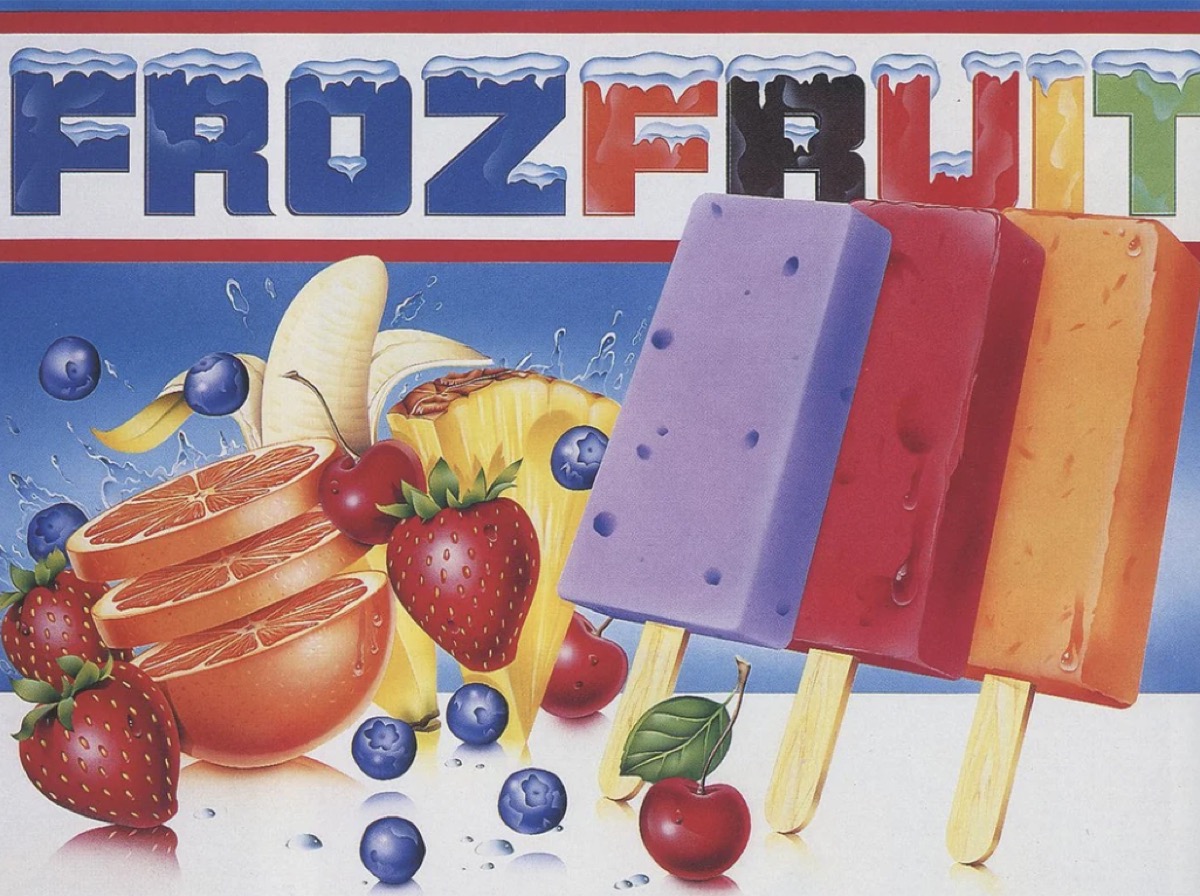
Frozen slabs of ambition — whole strawberry pieces, ragged coconut shreds, actual fruit frozen solid right into the bar. You didn't grab a multipack from the freezer aisle; you bought one cold FrozFruit at a time from a deli case, a pool snack shack, or an ice cream truck on the hottest day of summer. It felt more grown-up than a freezer pop, and somehow more real.

Three feet of rolled fruit snack that unspooled from a little coil, printed with jokes and trivia on the back. Not a Fruit Roll-Up — this was the long, skinny one you unrolled dramatically before eating.

A paper-thin sheet of chewy fruit leather that peeled off its cellophane backing so you could eat it flat, roll it into a tube, or mummify a finger in it. General Mills' lunchbox staple that turned a fruit snack into an activity.

The art project you ate: one long fruit lace pressed into a loopy picture — a racetrack, a pair of sunglasses — on a peel-off board. Eat it line by line or peel the whole drawing off in one piece. Nobody's seen it in decades, and everybody remembers it the second you say the name.

Yogurt in a squeezable plastic tube you slurped without a spoon; introduced by Yoplait/General Mills in 1999 and marketed straight at kids as portable, fun, and freezable. Go-Gurt became a lunchbox staple and the gateway snack for a generation that grew up with the freedom to eat dessert-adjacent dairy before middle school.

Chewy hexagonal fruit snacks with a liquid center that burst across your tongue when you bit down. Fruit Gushers made eating candy feel faintly dangerous — and its ads made kids' heads turn into giant fruit.

Kraft's cheese-and-crackers tray: a sealed compartment of processed cheese, a stack of crackers, and one flat red plastic stick for spreading. The stick was not a utensil. It was the entire point.
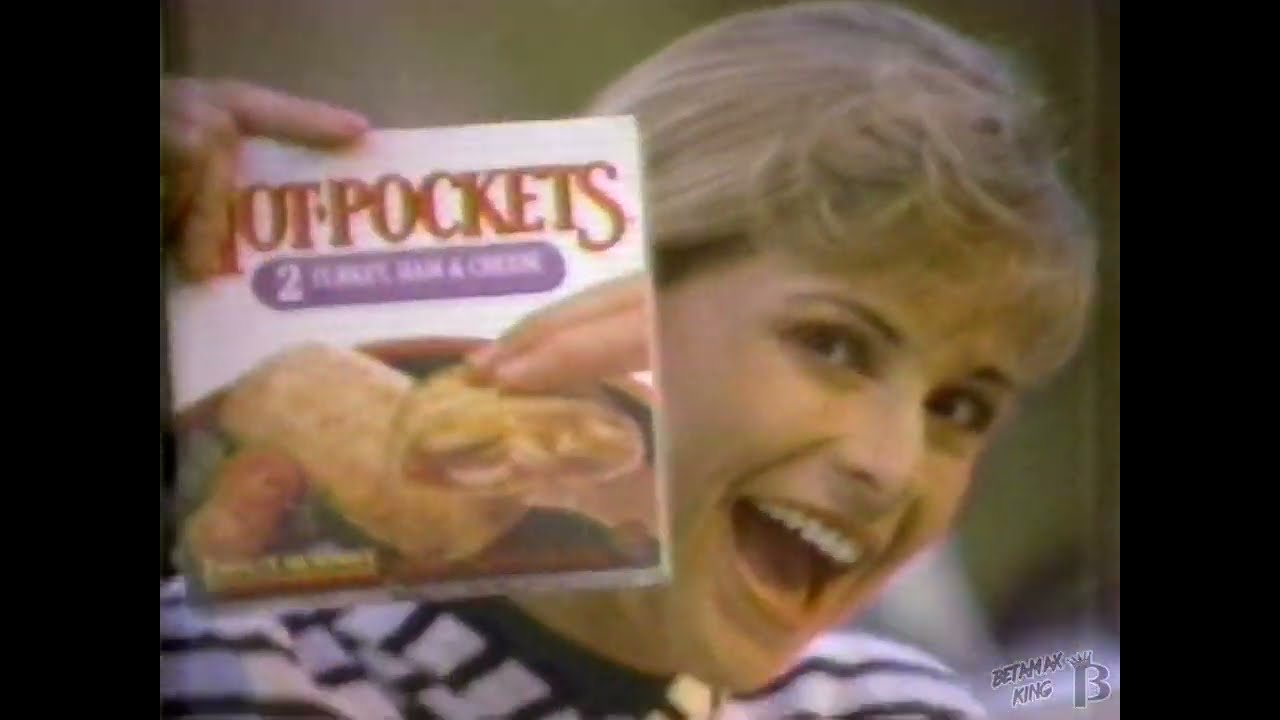
Molten on the outside, frozen in the middle, and somehow both at once: the microwave turnover that fed every dorm room and latchkey afternoon. Then Jim Gaffigan sang "Hot Pockets!" in falsetto, and a freezer-aisle staple became a permanent piece of comedy history.
Pudding on a stick — not ice cream, not a popsicle, but the texture of chilled pudding frozen solid, with that thin frost layer straight from the box. A 1981 hit whose glow carried through '90s childhoods, revived and rejected in 2004, and gone by the early 2010s.

Keebler's pizza-flavored snack chips made from pizza dough, sold on the promise that they 'taste like real pizza, only louder.' A crunchy shot of Zesty Pepperoni or Pizza Supreme straight from the pantry.

The 'granola bar' that fooled exactly no one — a slab of chocolate, fudge, and candy in a wrapper that let your mom feel okay about it. Finding a Kudos in your lunchbox instead of a plain granola bar was a good day; the M&M's version was a great one.

A crispy chicken strip, lettuce, shredded cheese, and ranch in a soft tortilla, engineered for one-handed drive-thru eating. Discontinued in 2016 — and mourned so loudly for so long that McDonald's finally surrendered and brought it back.

A bowl of cereal impersonating a candy bar: two cereal layers with a white "milk" cream stripe through the middle, eaten with your hands in the back seat. For a few years in the early 2000s they were everywhere — lunchboxes, gas stations, vending machines — and then they quietly weren't.
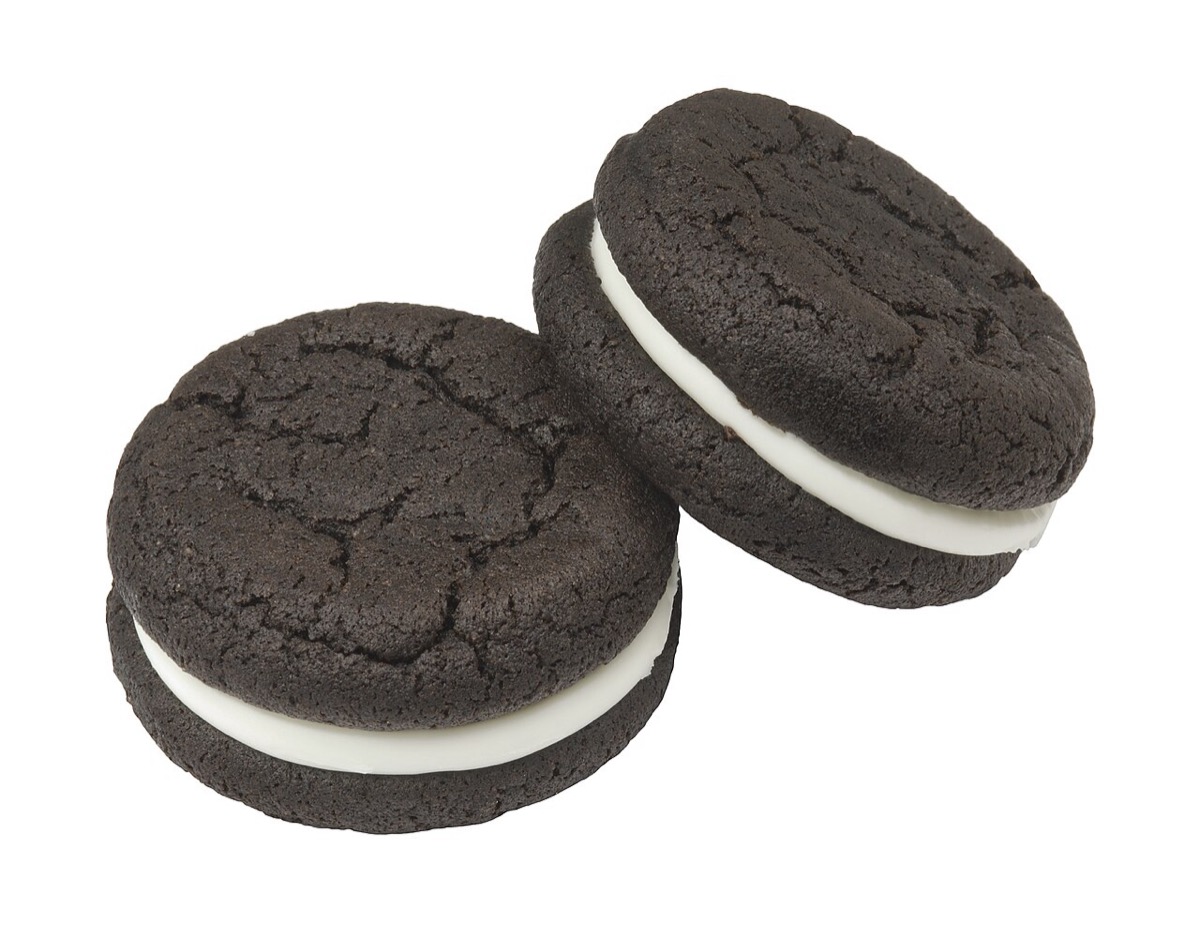
The soft, squishy lunchbox Oreo — two chocolate snack cakes around the familiar white creme — that lasted five years, vanished in 2012, and got mourned so hard Nabisco finally brought it back a decade later.
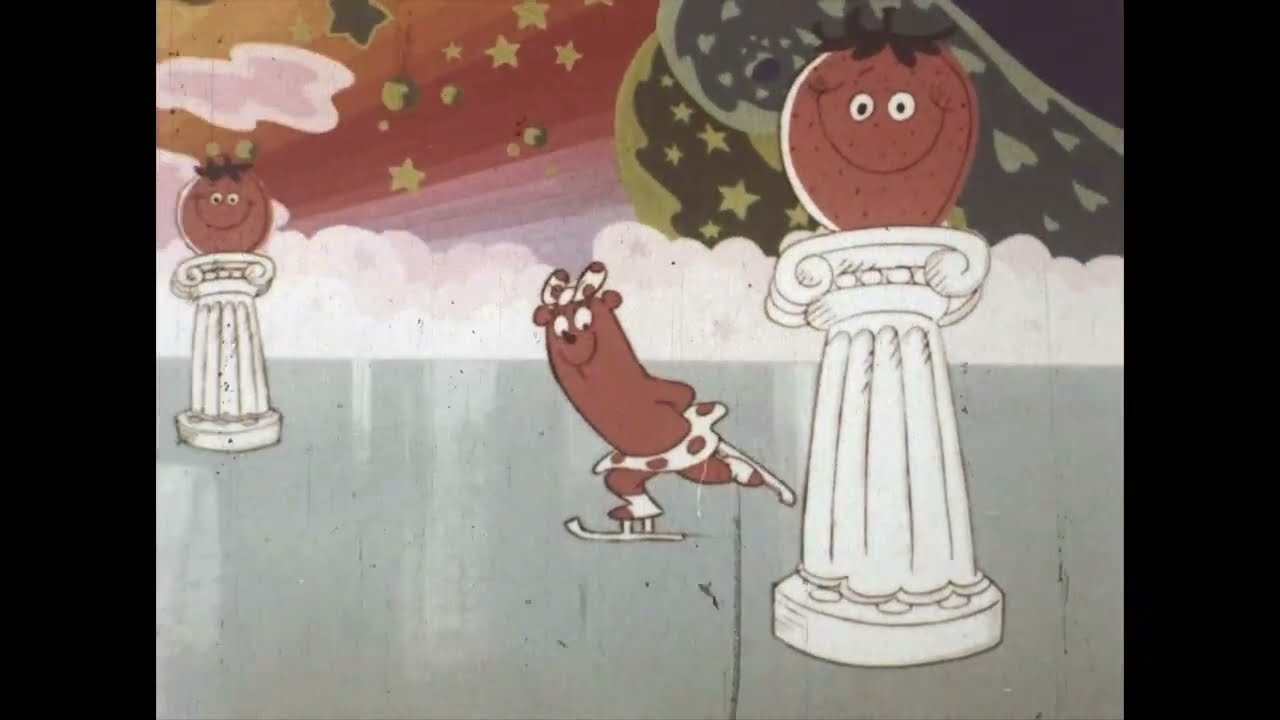
Neon sugar-water in a plastic sleeve, frozen solid and scissored open by a parent — then argued over by flavor mascot: Louie-Bloo Raspberry, Alexander the Grape, Sir Isaac Lime. The unofficial currency of 90s summer.
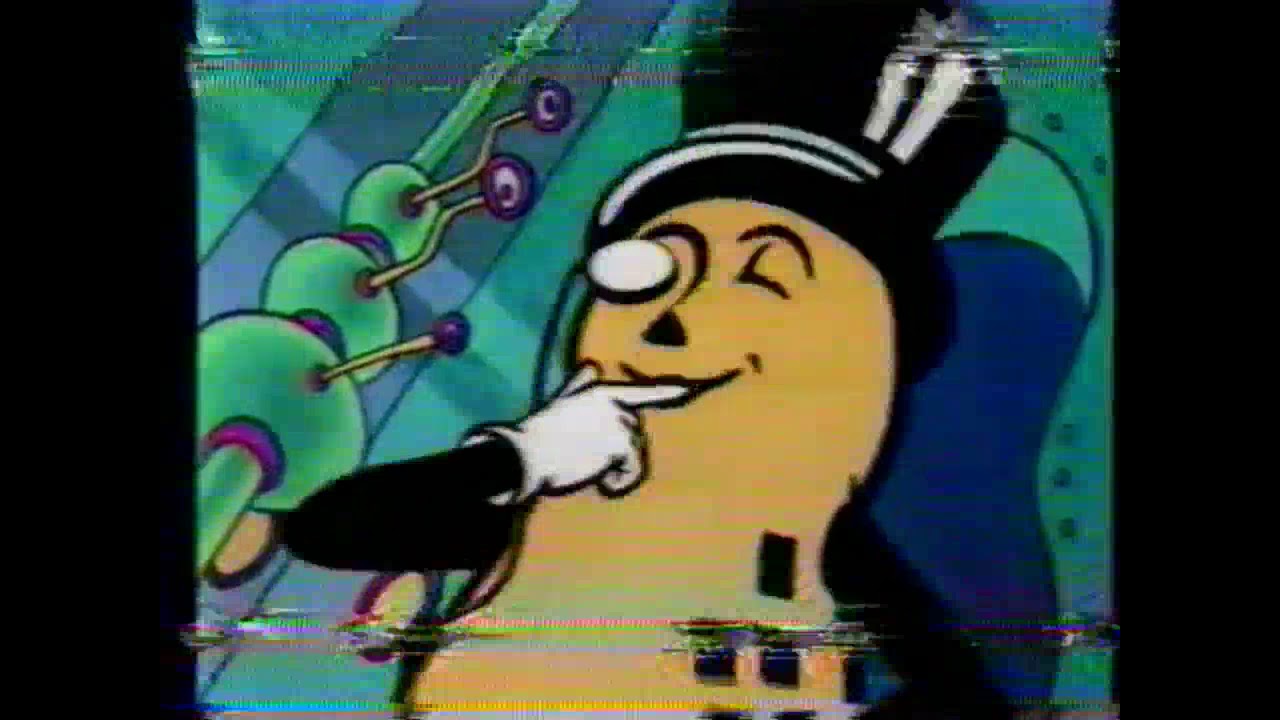
A snack that lived in the middle ground between a cookie and a candy bar: a graham-cookie shell shaped like a peanut, filled with peanut-butter creme, and gone too soon. Planters' PB Crisps captured their moment so perfectly they became permanently regretted.
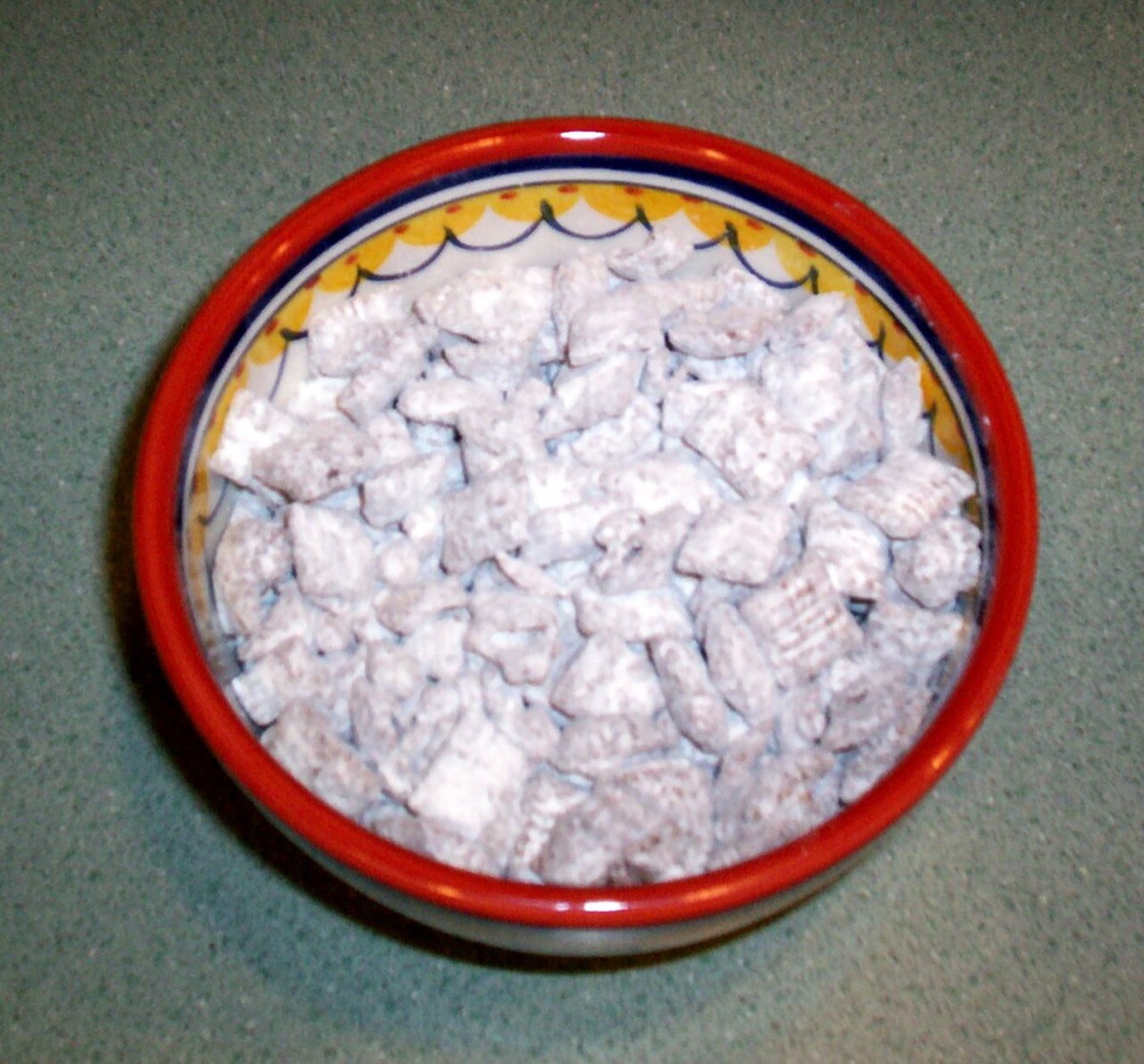
Chex cereal drowned in melted chocolate and peanut butter, shaken in a bag of powdered sugar until every piece looked like a tiny snowdrift. Made by the mixing-bowlful for sleepovers, bake sales, and Christmas tins — and yes, it really does look like dog food. That was the joke.

The Chips Ahoy! variant where the chocolate chips wore candy shells — rainbow-colored, mini-M&M-style — turning Nabisco's flagship cookie into a lunchbox event. TV commercials survive from around 1990 and 1993, proving it existed, but Nabisco never documented a launch or discontinuation date. At some point after its 90s run it quietly vanished from US shelves with no press release, no farewell.

Betty Crocker's Scooby-shaped fruit snacks in the purple box — the character fruit snack of the 2000s lunchbox. The opaque sky-blue Scooby was the piece everyone wanted, and yes, the old ones really did taste different: the recipe changed in 2015, and fans have never forgiven it.

A pouch of shark-shaped fruit snacks where the opaque, chalky-white great white was the crown jewel of lunchbox currency. Hammerheads, makos, tiger sharks — fine, whatever. Everyone knew which piece actually mattered, and everyone had a trade ready for it.

A neon fruit drink in a soft plastic bottle you squeezed straight into your mouth, twist cap and all. Squeezit made a beverage into a toy — and its cartoon-faced bottles were lunchbox icons before it vanished in 2001.

The lunchbox mozzarella log with one sacred rule: you peel it. Strip by satisfying strip, dangled and nibbled until the last stub — and everyone knew that one kid who just bit into it whole like a monster.

Keebler's 1985 answer to casual-dining excess: a thick, crunchy chip shaped like a baked-potato half and made with real potato skins — the loaded-skins appetizer, translated into a bag. Heavy and satisfying in a way regular chips could not match.

Tiny bear-shaped graham crackers, arms up or arms down, shaken out of the box by the fistful. Nabisco launched Teddy Grahams in 1988 in honey, cinnamon, and chocolate, and they immediately colonized every lunchbox, snack cup, and church-nursery cracker bowl in America — the rare 80s launch that feels completely 90s.

A sheet pan of molten pizza rolls after school: the first one always burned the roof of your mouth, and a "serving" was never fewer than fifteen. Born on egg-roll machinery in the mid-1960s, renamed Totino's in 1993, and permanently welded to the after-school hours of two decades of kids.

Two neon colors swirled in one cup, flavors like Raspberry Rainbow and Cotton Candy, and the Trix Rabbit scheming on the lid. Trix Yogurt made dairy look like candy, and every 90s lunchbox opened to reveal whether you were a swirl kid or not.
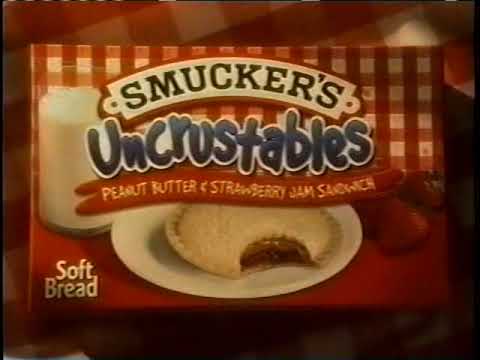
The round, crimped, crustless PB&J that conquered the 2000s lunchbox. Invented by two Minnesota dads in 1995, bought by Smucker's, and defended with an actual patent on the sealed crustless sandwich — still in freezers, bigger than ever.

Vanilla ice cream backed with chocolate and fronted with a cookie embossed with a wrestler's face, on a stick, with a trading card in the wrapper. Biting Hulk Hogan's cookie face off was a formative summer experience.