Adam Sandler
The SNL goofball who became a box-office machine — Billy Madison, Happy Gilmore, The Wedding Singer, The Waterboy. In the '90s his man-child comedies and shouty voices made him one of the most bankable comedians alive.
32 items
The SNL goofball who became a box-office machine — Billy Madison, Happy Gilmore, The Wedding Singer, The Waterboy. In the '90s his man-child comedies and shouty voices made him one of the most bankable comedians alive.
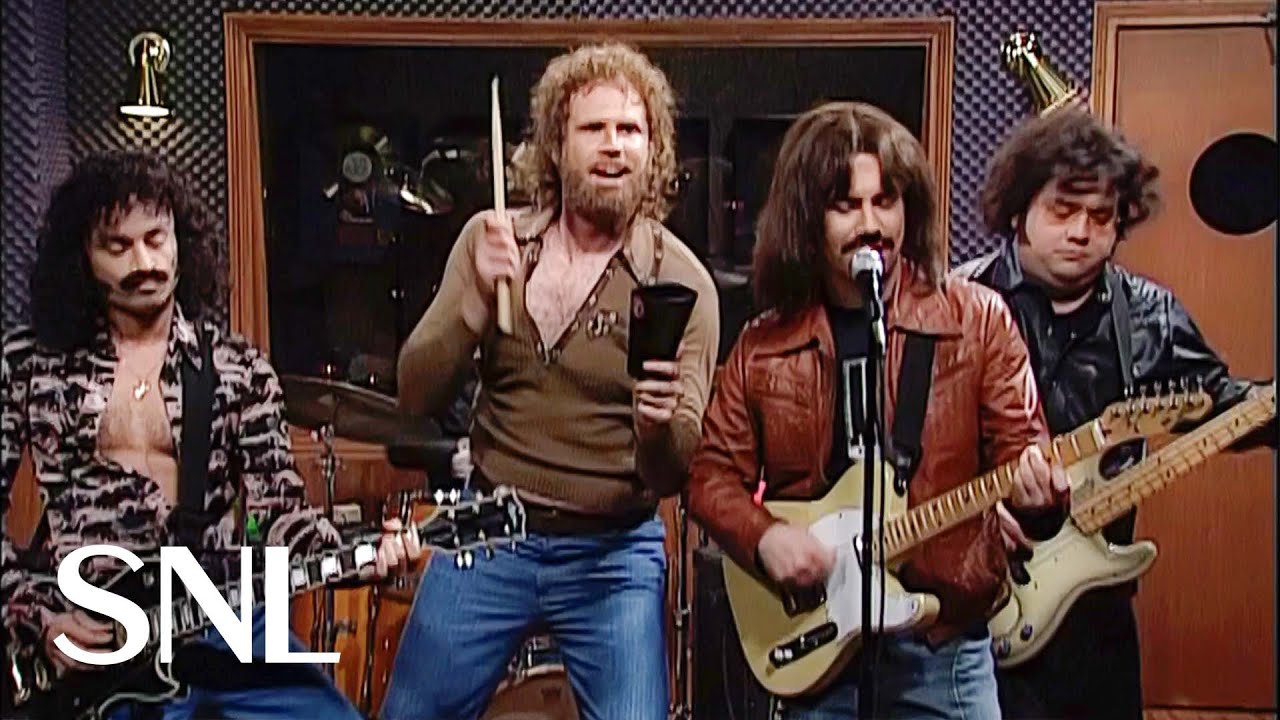
"Stay classy, San Diego." Will Ferrell's mustachioed 1970s news anchor Ron Burgundy and his idiot news team gave the 2000s an endlessly quotable comedy — "I love lamp," "60% of the time, it works every time."
The Austrian bodybuilder who became the biggest action star on the planet. The Terminator made him iconic in the 80s; the early 90s — Total Recall, Kindergarten Cop, T2, True Lies — made him inescapable. The accent launched a thousand imitations, all of them affectionate.
The blue-and-yellow torn-ticket empire where Friday nights meant wandering the new-release wall, hoping the big movie wasn't rented out, and dreading the late fees. At its peak in 2004, Blockbuster dominated home entertainment with 9,094 stores worldwide—until Netflix and streaming dismantled the whole business model.
The film that made 'yippee-ki-yay' a holiday tradition and launched an endless argument: is it a Christmas movie? Spoiler: yes, and also no—but watching it in December became genuinely ingrained.
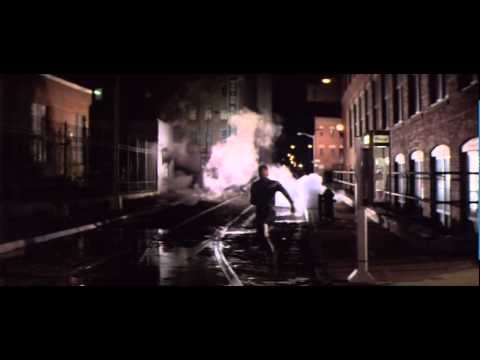
The film that nearly died at the box office six weeks after 9/11, then rose from the dead through midnight screenings and DVD to become the 2000s' defining cult artifact. A nightmarish fever dream about time loops and a rabbit suit that you'd lend to friends with just 'watch it' and argue about until 3 a.m.
The Farrelly brothers' breakout comedy starred Jim Carrey and Jeff Daniels as two hopelessly incompetent best friends on a cross-country road trip. Dumb and Dumber capped Carrey's historically unprecedented 1994—the year he also starred in Ace Ventura and The Mask—and grossed nearly $250 million worldwide on a modest budget.
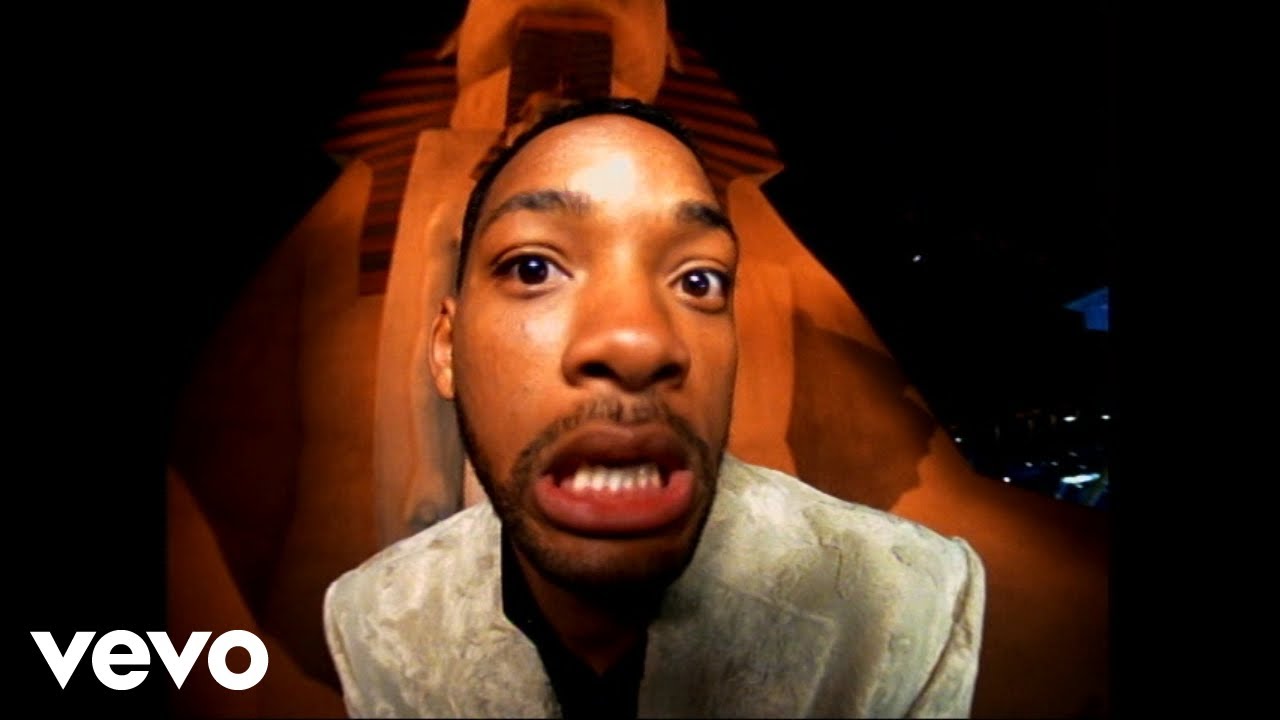
Before she became a name, Eva Mendes was the girl in the music videos—Aerosmith, Will Smith, Pet Shop Boys. Then she broke into film at exactly the right moment to become a defining screen presence of the 2000s multiplex.
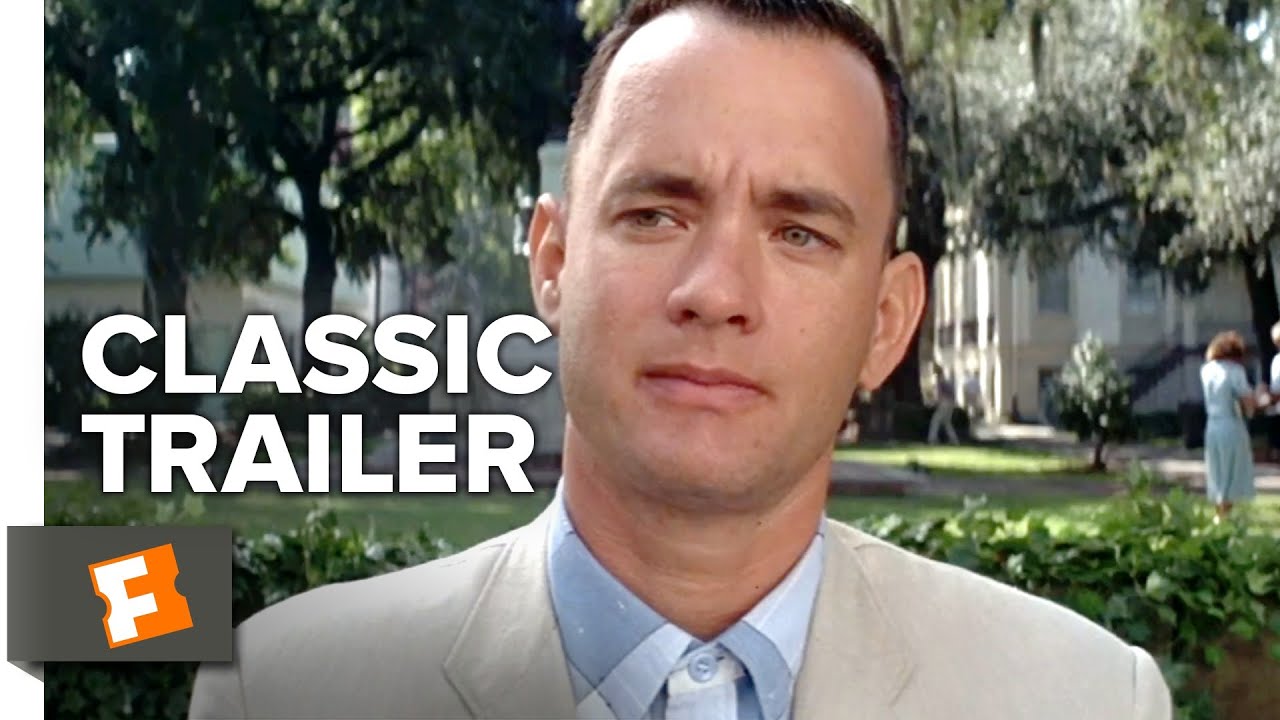
Tom Hanks' Forrest Gump stumbles through history itself, unintentionally shaping 1960s and 70s America with innocent determination. Robert Zemeckis' 1994 phenomenon grossed $678 million worldwide, won 6 Oscars including Best Picture and Best Actor, and made 'Life is like a box of chocolates' part of the language.
A young Angelina Jolie and Jonny Lee Miller rollerblade through a neon-drenched, absurdly rendered version of hacking where code is visualized as 3D graphics and 'Hack the planet!' became an unironic battle cry. Iain Softley's 1995 box-office flop became a beloved cult classic on the strength of its aesthetic audacity and a landmark electronic soundtrack.
Kevin McCallister is accidentally left behind when his family flies out for the holidays — and when two bumbling burglars invade, the eight-year-old's creative defenses (ice, tar, paint cans, and a very hot doorknob) turn the house into a gauntlet of booby traps. It became the defining Christmas movie of a generation, making Macaulay Culkin the most famous kid on the planet.
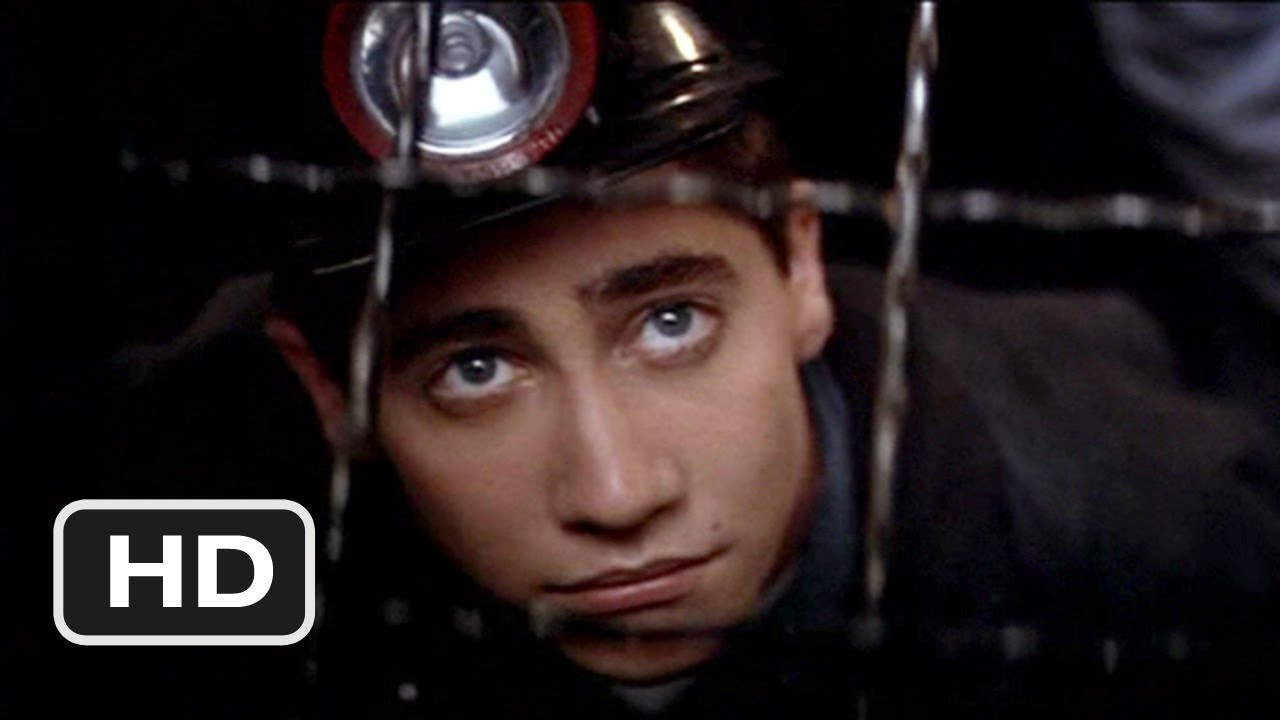
Born into Hollywood royalty but broke through on his own terms—as the troubled daydreamer who became every indie film's favorite wunderkind. By mid-decade, he'd pivoted into blockbusters without losing the arthouse credibility, proving the 2000s' best leading men didn't have to pick a lane.
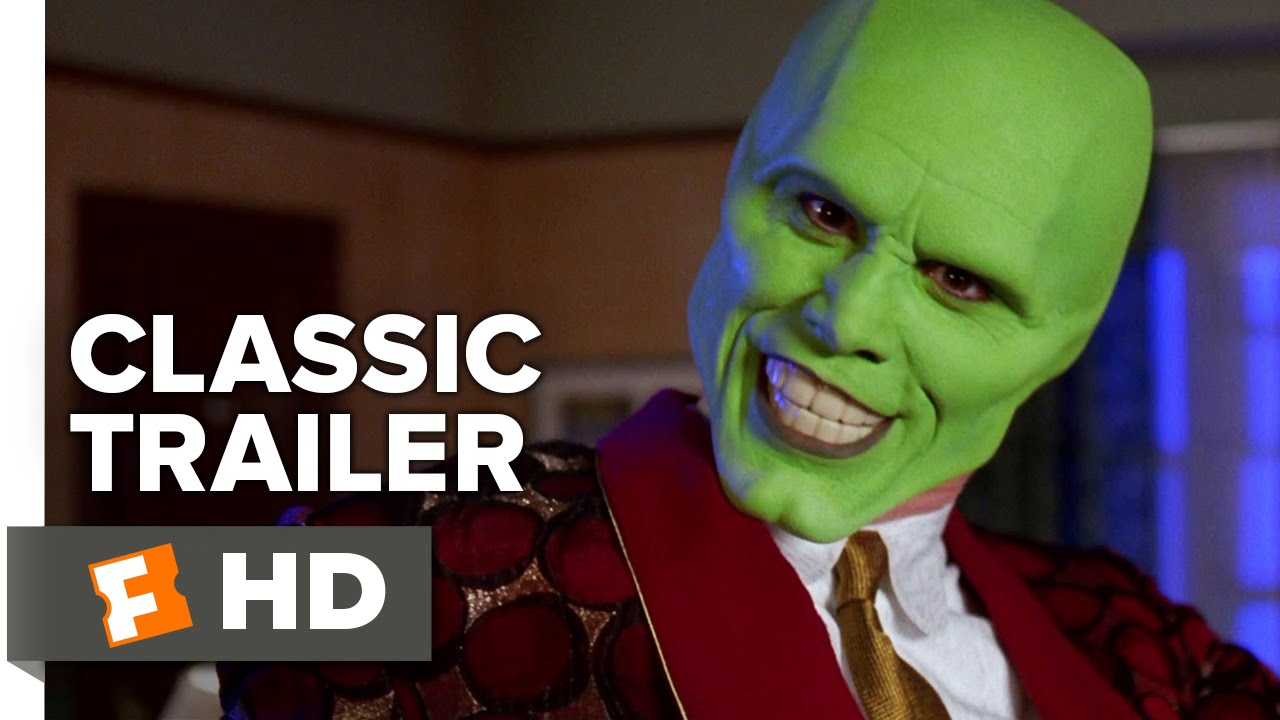
The Canadian comic who became the biggest movie star on the planet in a single calendar year. In 1994, Ace Ventura, The Mask, and Dumb and Dumber made Jim Carrey the hyperkinetic face of the decade — rubber-faced, fearless, and everywhere.
Robin Williams as an adult sprung from a magical jungle game — stampeding rhinos, vine-swinging chaos, and a board game that destroys your house from the inside out. Joe Johnston's December 1995 film combined state-of-the-art CGI and animatronics to bring a children's book to vivid, dangerous life, grossing over $260 million worldwide and proving games were no longer safe fantasy.
Steven Spielberg's adaptation of Michael Crichton's novel brought dinosaurs to life using groundbreaking CGI and animatronics, forever changing what movies could show. The film made $914 million, unseated E.T. as the highest-grossing film ever, and launched a dinosaur obsession that sold lunchboxes, toys, and taught a generation how to pronounce 'velociraptor.'
Reese Witherspoon as Elle Woods, the pink-clad sorority queen who follows her ex to Harvard Law and out-lawyers everyone. A 2001 sleeper hit that made "bend and snap" a catchphrase and launched a franchise.
The hands-on-cheeks scream that launched a thousand parodies. As Kevin McCallister in Home Alone, Culkin became the most famous child star on Earth — and, briefly, the highest-paid kid in Hollywood.
The teen comedy that defined 2000s school social hierarchies — cliques, calculation, and the crushing realization that you might be the problem. Mean Girls premiered in April 2004, written by SNL's Tina Fey, and immediately became the movie every middle and high school student quoted obsessively for the next decade.
The movie-memorabilia restaurant chain backed by Stallone, Schwarzenegger, Willis, and Moore — where you ate burgers under a display case of screen-worn props. Planet Hollywood was 1990s celebrity capitalism served with a side of fries.
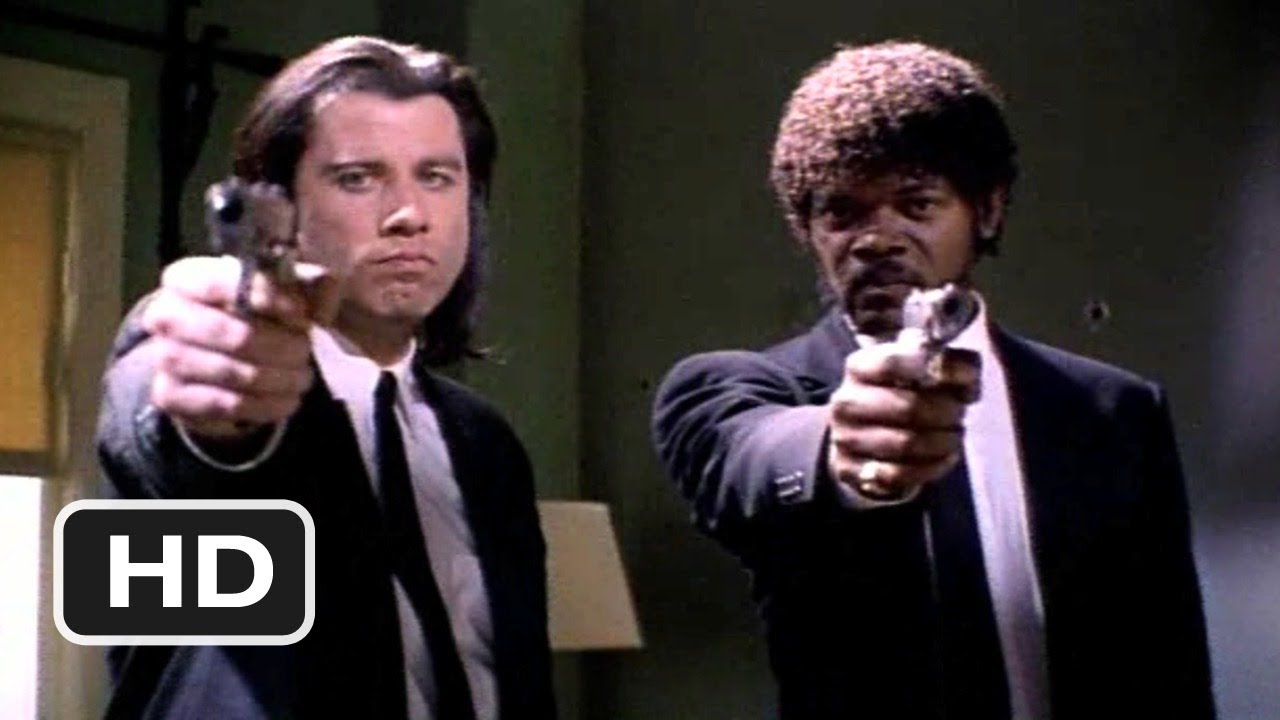
Quentin Tarantino's nonlinear crime epic rewrote the rules of what indie films could be. Released October 1994 with a Palme d'Or win at Cannes, a $200 million global gross, and career resurrections for John Travolta and a breakthrough for Samuel L. Jackson, Pulp Fiction became the defining film of a generation hungry for something different.
Stand-up comic turned Hollywood golden boy whose late-80s-to-90s run defined a generation's movie shelf. From Good Morning, Vietnam (1987) through Good Will Hunting's 1998 Oscar win, Williams embodied the comedic-yet-sensitive everyman that shaped 90s cinema.
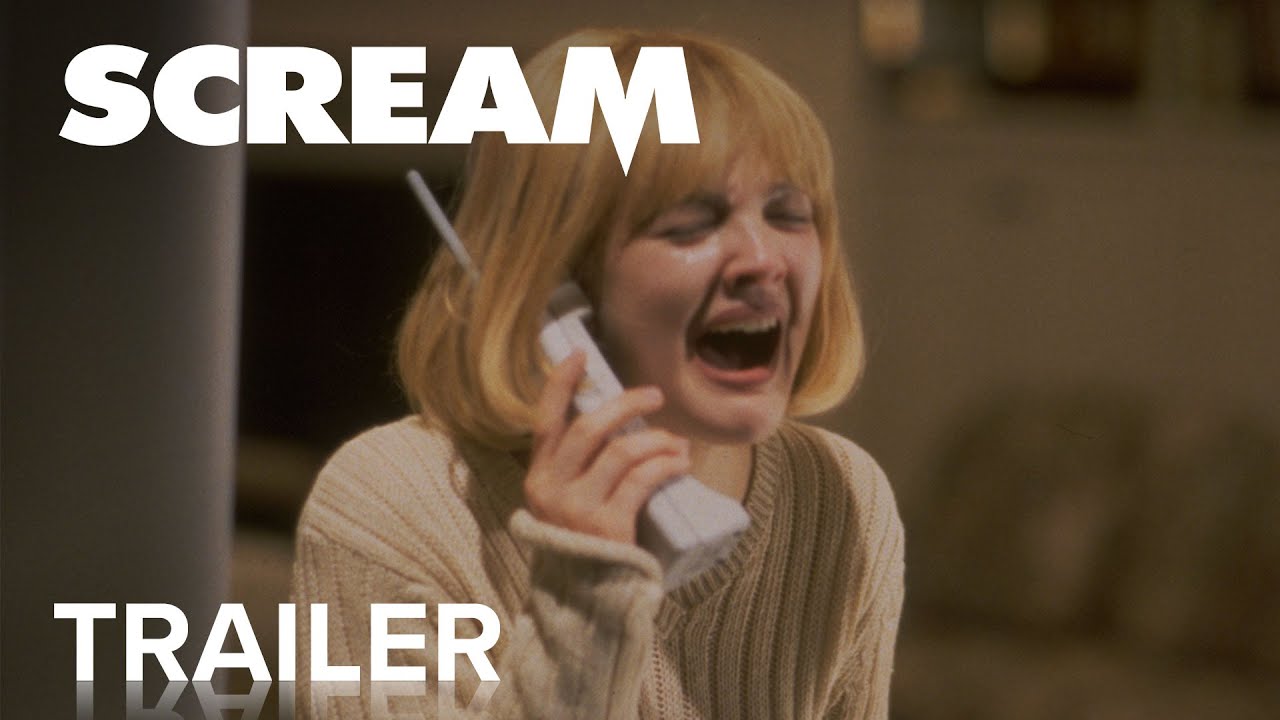
Ghostface's taunting phone calls — "What's your favorite scary movie?" — and a cast of teens who knew all the horror rules and died anyway. Wes Craven's self-aware slasher reinvented the genre for the Blockbuster generation.
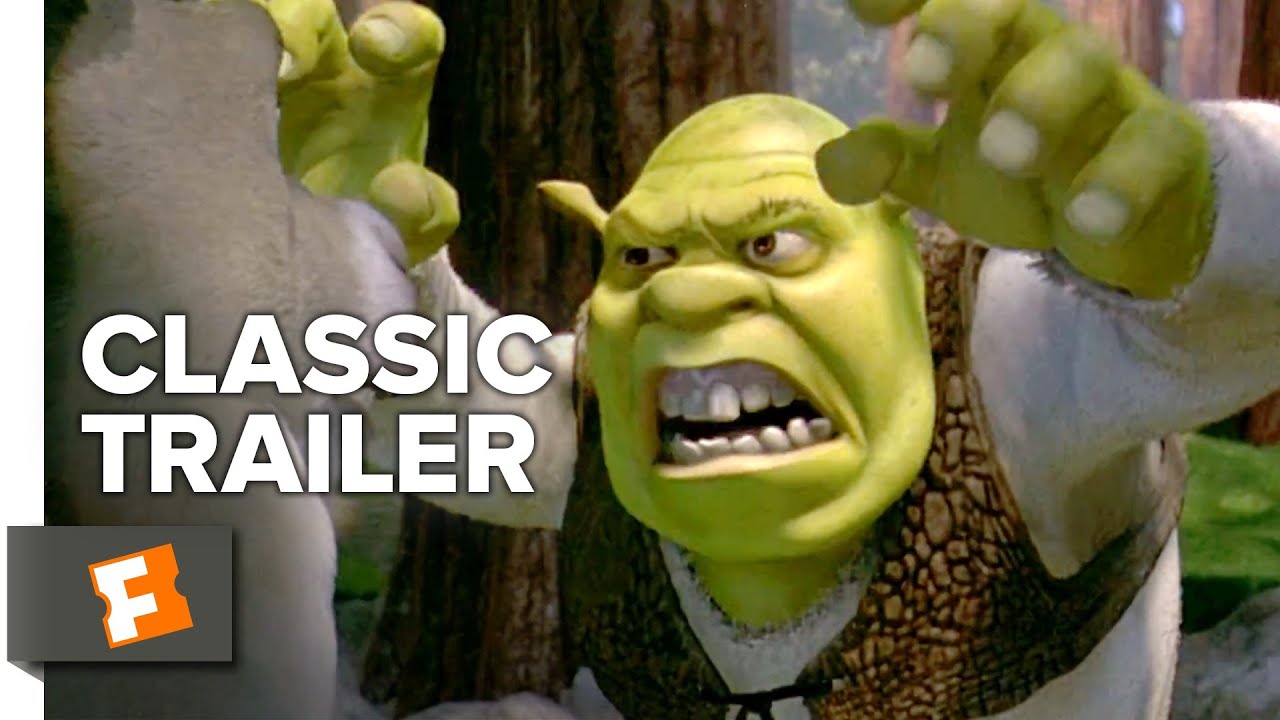
The grumpy ogre who just wanted to be left alone, dragged into a quest to rescue a princess and discover his own capacity for love. Shrek arrived in May 2001 as a subversive fairy-tale comedy from DreamWorks, won the first Academy Award for Best Animated Feature, and spawned a franchise that defined early-2000s family cinema.
A mistaken-identity bowling noir built on White Russians, nihilists, and the definitive 90s character: the Dude, a Los Angeles pot-smoking bowling bum who stumbles into a kidnapping plot. Its theatrical run was modest and critics were lukewarm. Then something strange happened: it became THE cult film of its generation, spawning a religion and a traveling film festival dedicated entirely to its worship.
Andrew Fleming's cult sleeper hit about four Catholic-school outcasts who form a coven and discover real magic. Featuring Robin Tunney, Fairuza Balk, Neve Campbell, and Rachel True, The Craft codified the 90s goth aesthetic, kicked off the teen-witch wave, and made "We are the weirdos, mister" a quotable rallying cry.
The Wachowskis' sci-fi thriller rewired action cinema with bullet-time, philosophical depth, and Keanu Reeves as an accidental messiah in a simulation. Released March 1999, The Matrix became an instant cultural landmark, launching a franchise and spawning endless "red pill" debates in college dorms.
The babies hit the big screen: newborn brother Dil arrives, the Reptar wagon careens into the woods, and the Pickles crew has to find its way home. Nickelodeon's first feature-length animated film, released November 1998, became the first non-Disney animated feature to cross $100 million at the US box office.
M. Night Shyamalan's breakout thriller about a child psychologist (Bruce Willis) treating a boy (Haley Joel Osment) who whispers the film's immortal line: 'I see dead people.' A cultural phenomenon that made the twist ending a permanent fixture of cinema and grossed over $670 million worldwide.
James Cameron's three-hour epic about the Titanic sinking became the movie phenomenon of 1997, driven by the chemistry of Leonardo DiCaprio and Kate Winslet and an unforgettable Celine Dion ballad. It became the highest-grossing film ever and captured 11 Oscars at the 1998 ceremony, making "I'm flying" a phrase heard in every theater lobby and school cafeteria.
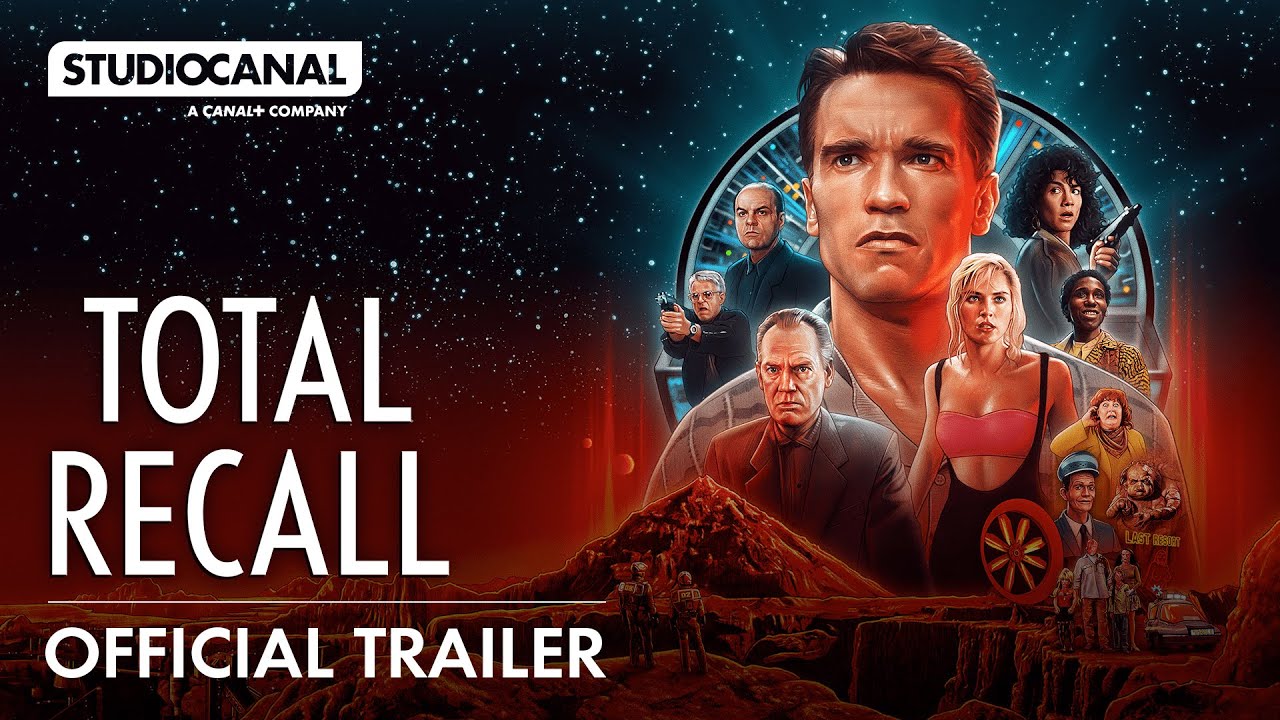
Schwarzenegger as a construction worker who may be a secret agent who may be dreaming the whole thing. Paul Verhoeven's Mars mind-bender gave sleepovers 'Get your ass to Mars,' the three-breasted mutant, and an ending arguments were built on.
Pixar's Toy Story was the first fully computer-animated feature film, directed by John Lasseter and starring Tom Hanks and Tim Allen as mismatched toys Woody and Buzz. Released November 1995, it reinvented animation and launched a franchise that still dominates 30 years later.
Fresh from his Grammy-winning rap career, Will Smith became the biggest movie star of the '90s—charismatic, relatable, and seemingly incapable of releasing a film that didn't top the summer box office. By 1999 he was untouchable.