The Big Lebowski
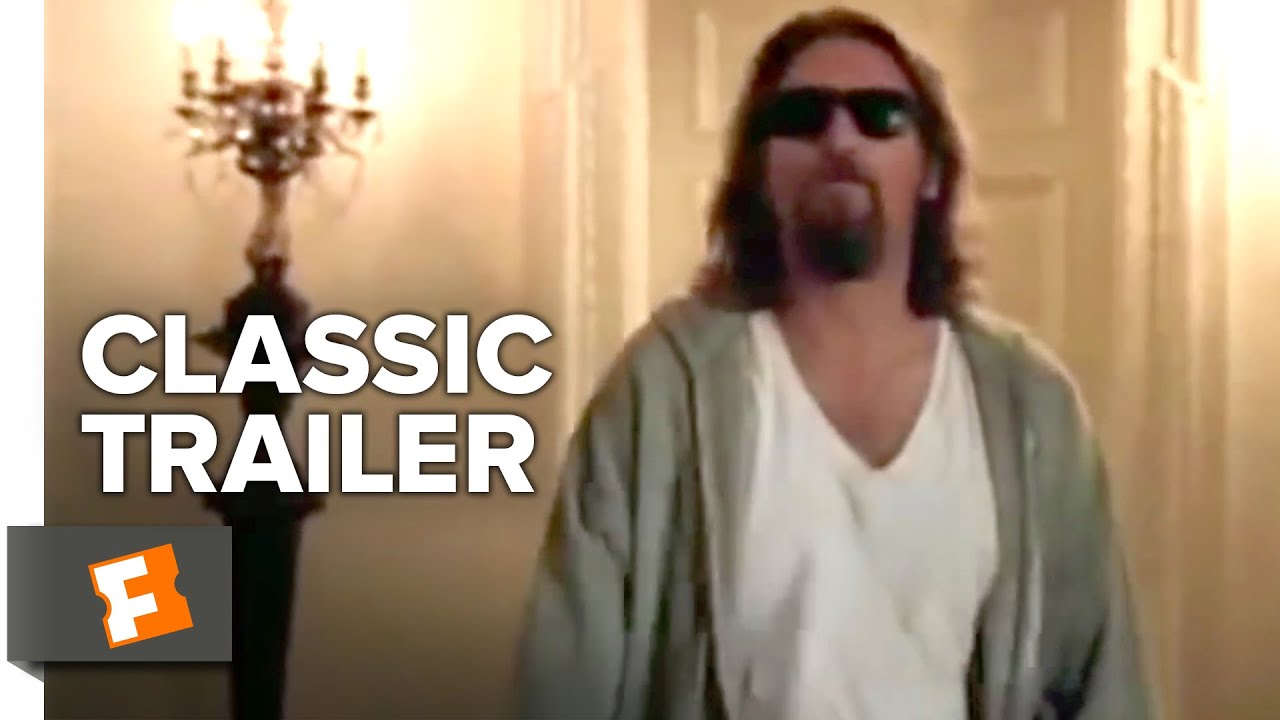
A mistaken-identity bowling noir built on White Russians, nihilists, and the definitive 90s character: the Dude, a Los Angeles pot-smoking bowling bum who stumbles into a kidnapping plot. Its theatrical run was modest and critics were lukewarm. Then something strange happened: it became THE cult film of its generation, spawning a religion and a traveling film festival dedicated entirely to its worship.
The Big Lebowski was written and directed by Joel and Ethan Coen and released on March 6, 1998, two years after their Oscar-winning success with Fargo. The film was loosely inspired by the hard-boiled detective fiction of Raymond Chandler, but filtered through the lens of Los Angeles slacker culture and a protagonist who is, quite frankly, more interested in drinking White Russians and bowling than solving anything. Jeff Bridges plays Jeffrey "The Dude" Lebowski, a character largely inspired by real-life film producer Jeff Dowd, who was known in Hollywood circles as "the Dude" and had a reputation for White Russians and laid-back philosophy. John Goodman co-stars as Walter Sobchak, the Dude's Vietnam-veteran bowling partner whose tendency to cite the war and yell "Mark it zero!" became instantly quotable. Steve Buscemi plays Donny, the third wheel of their bowling team; Julianne Moore plays Maude, the millionaire's avant-garde-artist daughter; and John Turturro plays Jesus Quintana, the obnoxious rival bowler in purple. Sam Elliott appears as The Stranger, the cowboy narrator who frames the entire story.
The plot, such as it is, starts with mistaken identity: the Dude shares a name with a millionaire also called Jeffrey Lebowski, and thugs after the Big Lebowski's money ruin the Dude's rug by mistake. When the millionaire's much-younger trophy wife Bunny is apparently kidnapped, the Dude gets drafted to deliver the ransom, and nihilists, botched drops, and increasingly baroque complications ensue—all centered around the bowling lanes and a rug that "really tied the room together." The film's entire philosophical center is summed up in the Dude's indifference to plot: why get upset about anything when you can just drink, bowl, and wait for life to happen to you?
Budgeted at $15 million, the film grossed $19.5 million domestically ($48.3 million worldwide)—a modest return coming two years after Fargo's critical and commercial triumph. Reviews were mixed; many critics saw it as a lovable oddity, and the film seemed destined to be remembered as an interesting footnote in the Coens' bibliography. But the film's power lay in its absolute commitment to a vision that prioritized character and philosophy over plot mechanics. The Dude wasn't just a character—he was an entire ethos.
In the years following its theatrical run, The Big Lebowski experienced what can only be described as a slow-burn resurrection. Lebowski Fest was founded in 2002 in Louisville, Kentucky, with about 150 people at its first event—fans in full Dude costumes, bowling tournaments, and celebrations of the film's dialogue and philosophy. The festival became a traveling institution, with annual events in various cities. In 2005, "Dudeism" was established as an actual religion, founded on the philosophical principles of the Dude, with an official priesthood that has ordained over 220,000 "Dudeist priests." In 2014, the film was selected for preservation in the National Film Registry, a designation reserved for films of cultural, historical, and aesthetic significance. What began as a box-office disappointment and mild critical confusion transformed into perhaps the defining cult film of its generation—its one-liners a shared language for comedy nerds and slackers alike. The Dude abides.
Similar items
Pulp Fiction
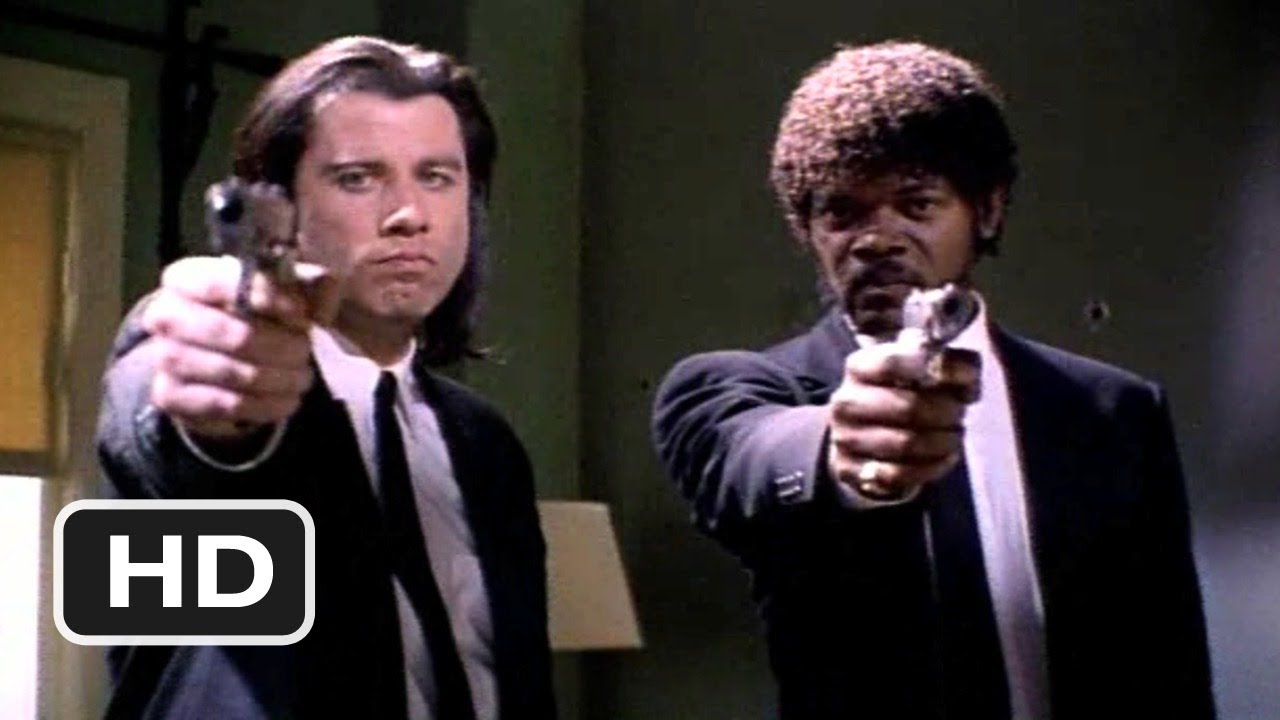
Quentin Tarantino's nonlinear crime epic rewrote the rules of what indie films could be. Released October 1994 with a Palme d'Or win at Cannes, a $200 million global gross, and career resurrections for John Travolta and a breakthrough for Samuel L. Jackson, Pulp Fiction became the defining film of a generation hungry for something different.

Anchorman: The Legend of Ron Burgundy
"Stay classy, San Diego." Will Ferrell's mustachioed 1970s news anchor Ron Burgundy and his idiot news team gave the 2000s an endlessly quotable comedy — "I love lamp," "60% of the time, it works every time."
Ace Ventura: Pet Detective
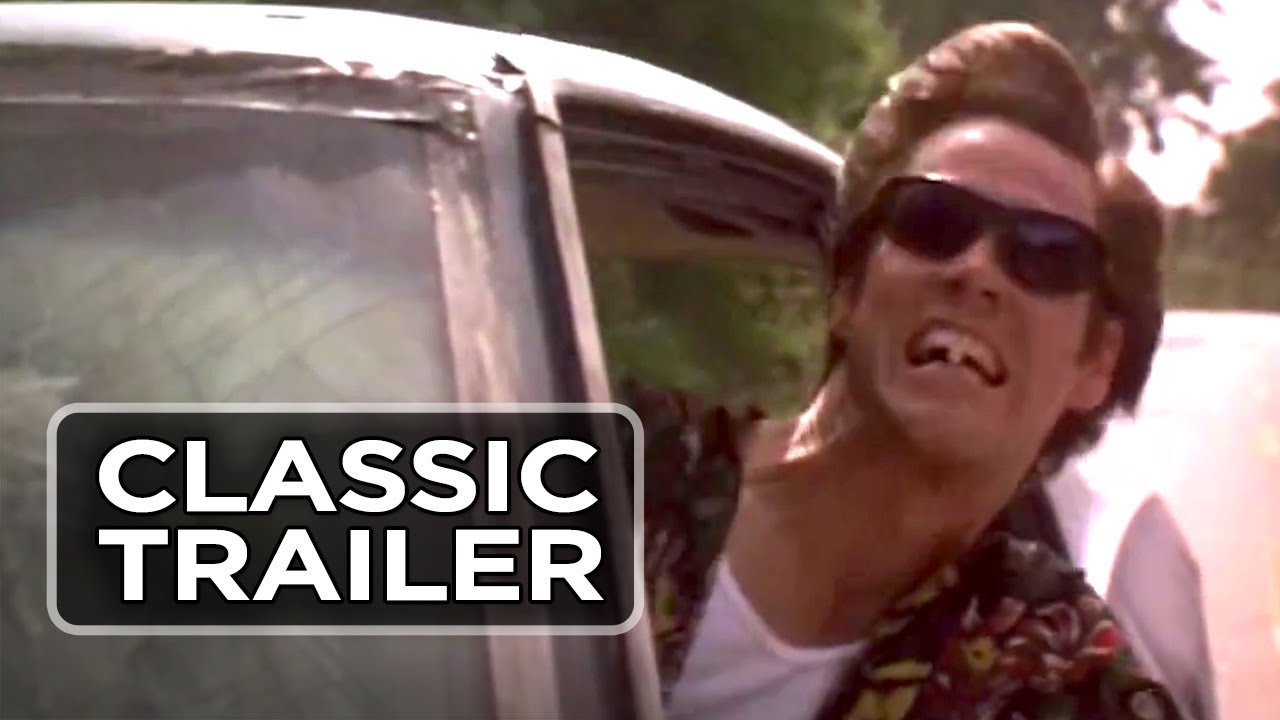
Alrighty then. A pet detective in a Hawaiian shirt talks out of his own rear end, rescues the Miami Dolphins' kidnapped mascot, and turns a $15 million comedy into the launchpad of Jim Carrey's insane 1994. Critics hated it; recess quoted it for years.

Austin Powers
Mike Myers as the swinging spy, the bald nemesis, and eventually half the cast — a three-film Bond parody whose catchphrases colonized every schoolyard in 1999. The humor ran racy for its era; the craft underneath is what stuck.