Jake Gyllenhaal
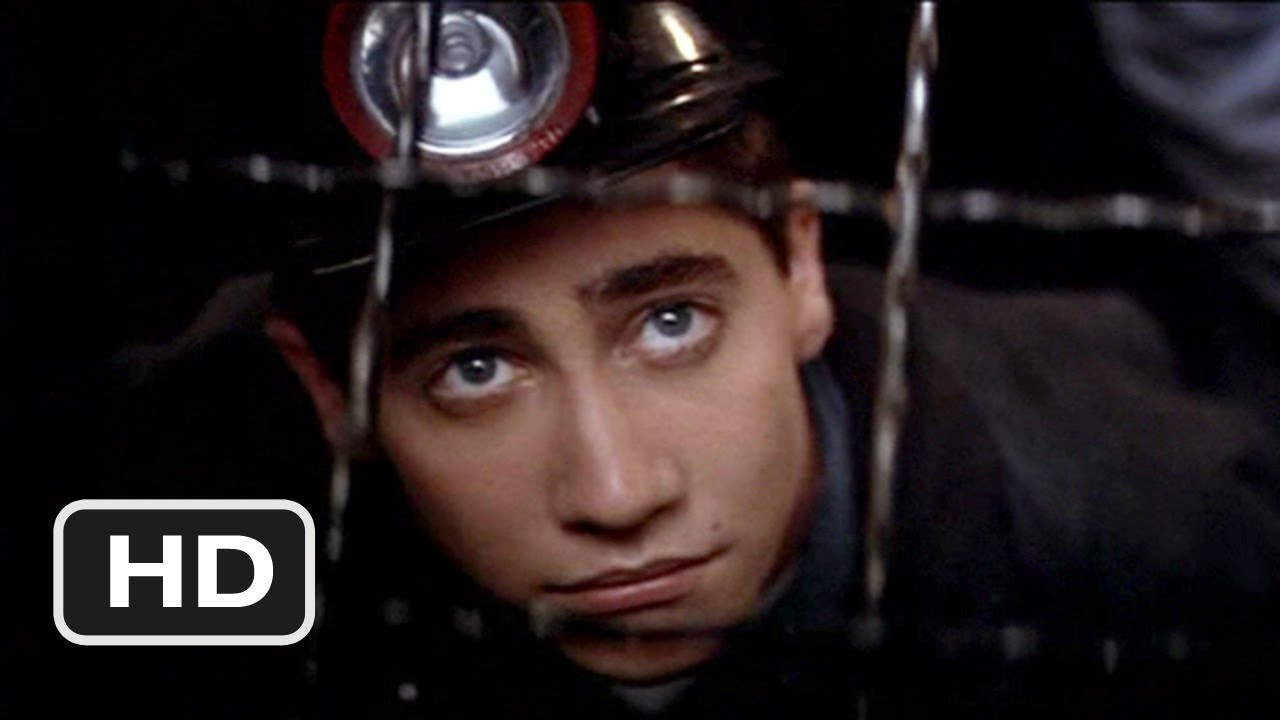
Born into Hollywood royalty but broke through on his own terms—as the troubled daydreamer who became every indie film's favorite wunderkind. By mid-decade, he'd pivoted into blockbusters without losing the arthouse credibility, proving the 2000s' best leading men didn't have to pick a lane.
Born December 19, 1980, in Los Angeles, Jake Gyllenhaal came from a film family—his father Stephen is a director, his mother Naomi Foner a screenwriter, and his sister Maggie an actress. He broke through at eighteen as coal-town rocket kid Homer Hickam in October Sky (1999), anchoring a true-story drama with earnestness and charm.
Donnie Darko (2001) made him a cult icon at age twenty, playing the sleepwalking, troubled teen haunted by Frank the rabbit in Richard Kelly's surreal time-loop nightmare — the same year Bubble Boy was critically panned, a whiplash that didn't slow his rise. The film's underseen initial run became a phenomenon through midnight screenings and DVD, and Gyllenhaal's melancholic intensity defined an archetype—the intelligent, introspective lead. He leaped to blockbuster stardom with The Day After Tomorrow (2004), then proved his range with Brokeback Mountain (2005), which earned him a BAFTA for Best Supporting Actor and an Academy Award nomination (he lost to George Clooney for Syriana). Also in rapid succession: Jarhead (2005), Zodiac (2007), Brothers (2009), Prince of Persia: The Sands of Time (2010), and Love & Other Drugs (2010, Golden Globe nomination). The early '00s Donnie Darko moment folded seamlessly into a decade of art-house cred and summer tentpoles.
Off screen, he became godfather to Heath Ledger and Michelle Williams's daughter Matilda—a detail that captures his standing among peers as trusted, genuine, grounded. He remained the decade's thinking-person's leading man, equally at home in an indie thriller and a Jerry Bruckheimer spectacle, bringing the same intelligence and vulnerability to each.
Similar items

Donnie Darko
The film that nearly died at the box office six weeks after 9/11, then rose from the dead through midnight screenings and DVD to become the 2000s' defining cult artifact. A nightmarish fever dream about time loops and a rabbit suit that you'd lend to friends with just 'watch it' and argue about until 3 a.m.
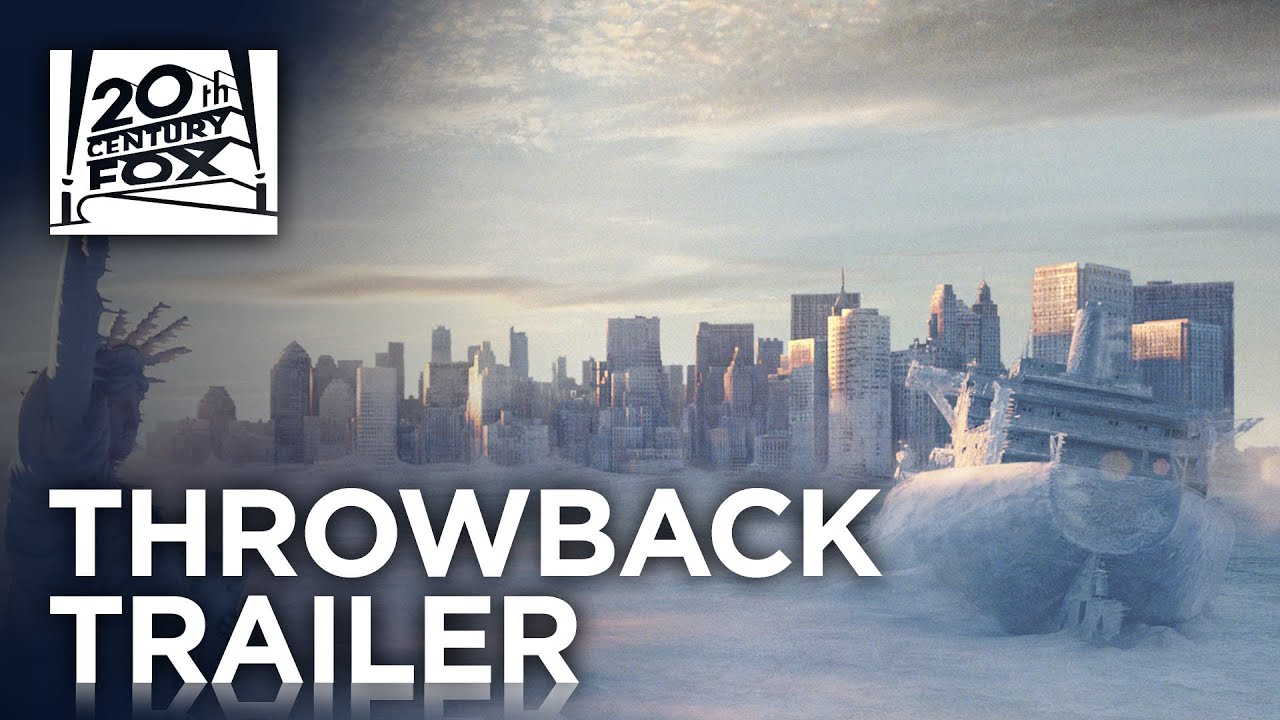
The Day After Tomorrow
Roland Emmerich's 2004 blockbuster trades aliens for air currents — a cascade of extreme weather that flash-freezes New York in a matter of days. Dennis Quaid's climate scientist goes unheeded, Jake Gyllenhaal ends up burning library books to survive, and that frozen Statue of Liberty became the poster image for every "what if the climate does THIS" conversation you had in school.

Anchorman: The Legend of Ron Burgundy
"Stay classy, San Diego." Will Ferrell's mustachioed 1970s news anchor Ron Burgundy and his idiot news team gave the 2000s an endlessly quotable comedy — "I love lamp," "60% of the time, it works every time."

Adam Sandler
The SNL goofball who became a box-office machine — Billy Madison, Happy Gilmore, The Wedding Singer, The Waterboy. In the '90s his man-child comedies and shouty voices made him one of the most bankable comedians alive.