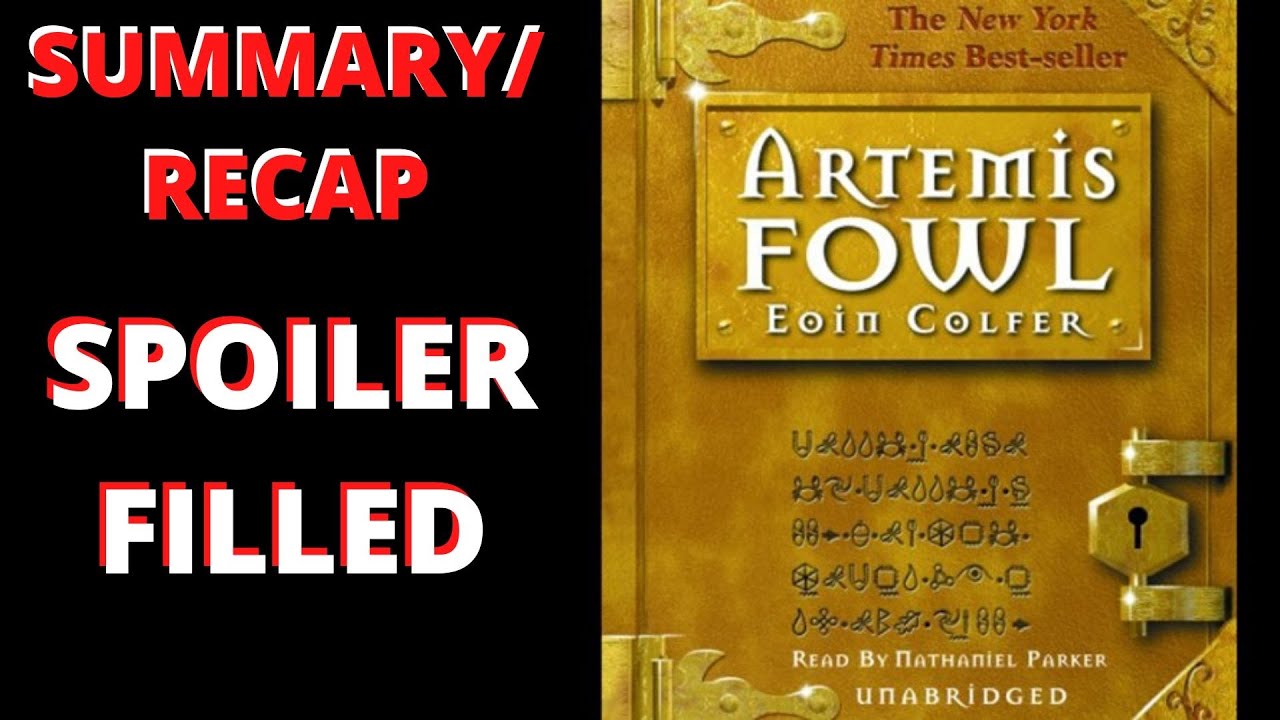
Artemis Fowl
A twelve-year-old criminal mastermind kidnaps a fairy cop and holds her for a ransom of fairy gold. Eoin Colfer's "Die Hard with fairies" gave 2000s bookworms their favorite villain-protagonist — and the coolest cover in the book fair.
15 items
A twelve-year-old criminal mastermind kidnaps a fairy cop and holds her for a ransom of fairy gold. Eoin Colfer's "Die Hard with fairies" gave 2000s bookworms their favorite villain-protagonist — and the coolest cover in the book fair.

BioWare's 1998 Dungeons & Dragons epic: a hero of your own making, a party of companions across the Sword Coast, and Minsc the ranger shouting "Go for the eyes!" on behalf of Boo, his miniature giant space hamster. Interplay's British office forecast zero sales; it did a million in a year and brought the computer RPG back from the dead.

Tim Burton's warmest film: a dying father who has always told his life as a series of tall tales — a giant, a witch who shows your death in her eye, a perfect hidden town called Spectre — and the grown son trying to sort truth from myth before it's too late. Ewan McGregor plays the young father in the fables, Albert Finney the old man telling them.

A Buffalo TV reporter yells at God, and God hands him the job for a week. Jim Carrey's 2003 hit opened on a Memorial Day weekend that beat The Matrix Reloaded, and the pager number on screen was real enough that strangers in two countries fielded hundreds of calls meant for the Almighty.

C.S. Lewis's seven-book fantasy series that opened via a wardrobe and stayed in your head for decades. For 90s and 2000s kids, Narnia lived in classroom read-alouds, Scholastic box sets, and library paperbacks with that iconic cover art — the White Witch, Turkish delight, and Aslan waiting inside.
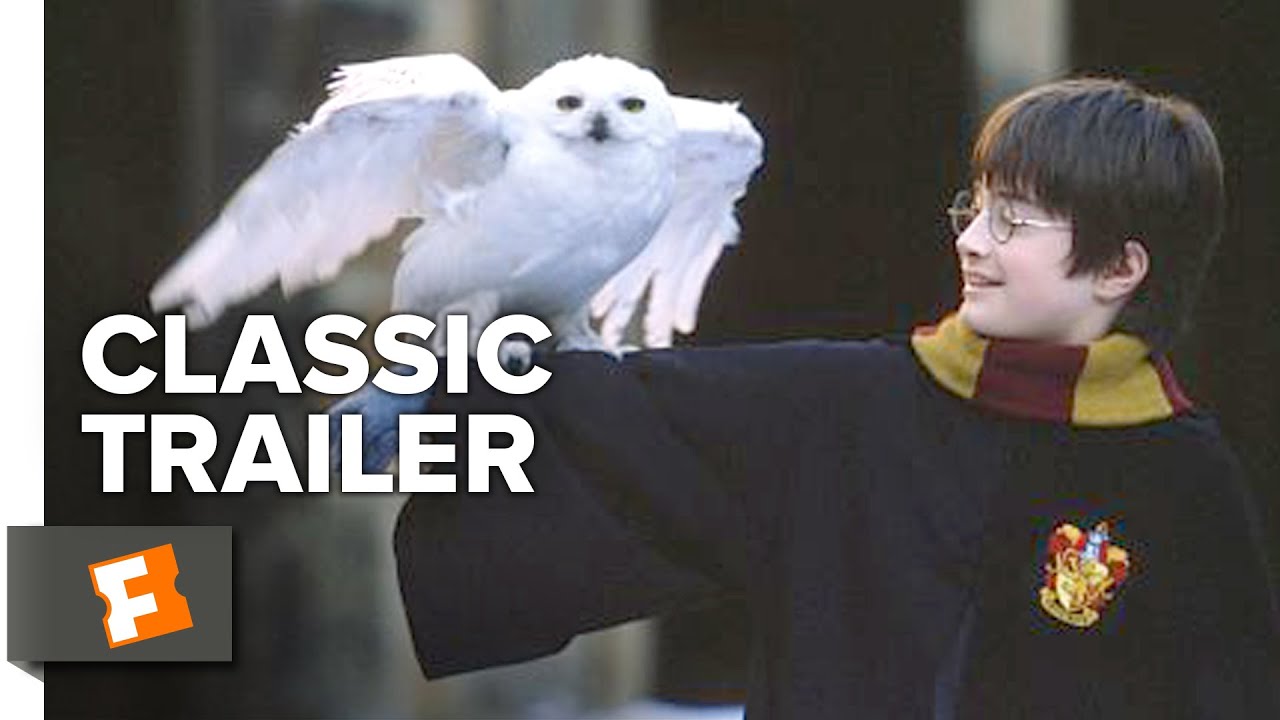
J.K. Rowling's magical phenomenon launched June 1997 in the UK as Harry Potter and the Philosopher's Stone (Sorcerer's Stone in the US). Three books released before the decade ended; by 1999 the series topped global bestseller lists and sparked a franchise that never stopped—within a year, midnight release parties were a cultural tradition.

Peter Jackson's monumental film trilogy adapting J.R.R. Tolkien's masterpiece: The Fellowship of the Ring (2001), The Two Towers (2002), and The Return of the King (2003). Filmed entirely in New Zealand, it defined epic fantasy for a generation with breathtaking scale, iconic performances, and midnight premieres that felt like cultural events.

Richard Garfield's 1993 creation, Magic: The Gathering invented the collectible card game genre and became a phenomenon that consumed thousands of hours and dollars from basement dwellers and tournament pros alike. Casting spells, summoning creatures, and crushing opponents with clever deck construction, Magic made trading-card games respectable — and obsessive.

Step out of the sewers and the whole world renders in front of you — go anywhere, be anyone, ignore the main quest for two hundred hours. Bethesda's 2006 fantasy epic was the game that made the Xbox 360 generation feel next-gen, gave us the Adoring Fan, and handed the industry its permanent shorthand for microtransactions: a paid suit of horse armor.

A dyslexic twelve-year-old finds out his dad is Poseidon, his best friend is a satyr, and summer camp trains demigods. Rick Riordan's five-book series — The Lightning Thief through The Last Olympian — put the Greek gods in modern America and became the book fair's hottest ticket of the late 2000s.

Sixteen giants, one horse, no other enemies and barely any dialogue. Team Ico's October 2005 PlayStation 2 game sent Wander across an empty forbidden land to climb and kill colossi for a dead girl's sake, and every victory played like a funeral. It became the standard exhibit whenever anyone argued that games could be art.

Two brothers, a black 1967 Impala, a trunk full of weapons and a different monster in every motel town. Eric Kripke's road-trip horror show was the only new WB series to survive the CW merger, planned to end after five seasons, and ran fifteen — carried the whole way by a fandom with a GIF for everything.

The 1995 Frank Oz film in which a boy's birthday cupboard brings a plastic toy to life as a tiny 18th-century Onondaga man. Reviews were mixed to positive and audiences mostly skipped it in theaters, but it found its following on home video.

The 2001 Disney Channel movie in which a teenage basketball star loses his lucky gold coin and starts shrinking, turning red-haired and growing pointy ears, because his mother's family are secretly leprechauns. Collider called it the strangest DCOM ever. Ryan Coogler says it helped inspire Sinners.

Lucy Lawless as Xena, a reformed warrior with a chakram and an iconic battle cry, fighting alongside Gabrielle through six seasons of syndicated adventure. Filmed in New Zealand and beloved far beyond its time slot, this spinoff of Hercules became one of the highest-rated syndicated dramas of the era and an enduring cult classic.