Artemis Fowl
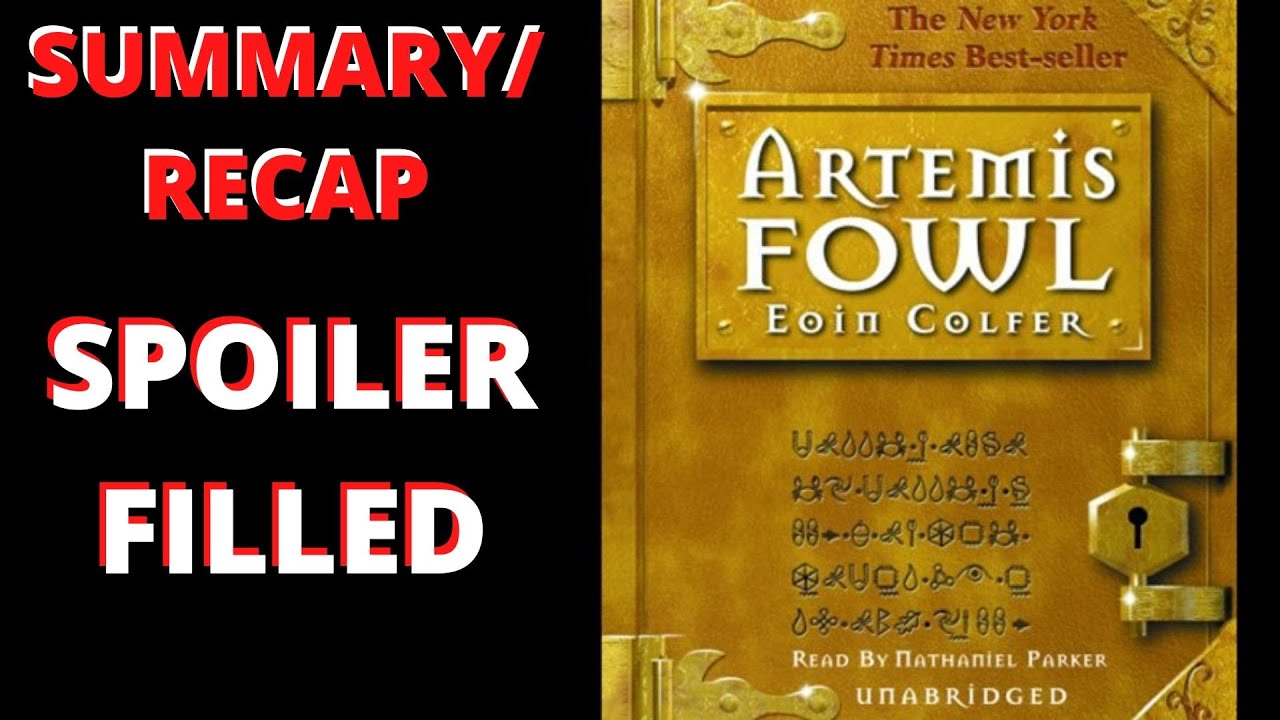
A twelve-year-old criminal mastermind kidnaps a fairy cop and holds her for a ransom of fairy gold. Eoin Colfer's "Die Hard with fairies" gave 2000s bookworms their favorite villain-protagonist — and the coolest cover in the book fair.
Irish author Eoin Colfer published Artemis Fowl on 26 April 2001, pitching it with a line that did all the marketing on its own: "'Die Hard' with fairies." The premise inverted every children's-fantasy rule of the Harry Potter boom. Its hero was the villain — Artemis Fowl II, a twelve-year-old genius rebuilding his family's criminal fortune — and its fairies weren't twinkly garden sprites but a high-tech underground civilization with its own police force and serious firepower. Artemis kidnaps Captain Holly Short of the LEPrecon fairy police and ransoms her for gold, and the book plays the siege that follows as a heist thriller that happens to star middle schoolers and magical creatures.
Kids devoured it. Eight books followed through The Last Guardian in 2012, tracing Artemis's slow, grudging drift from villain to something like a hero, and by 2013 the series had sold more than 21 million copies in 44 languages. In 2010, readers voted the first book their favorite Puffin title of all time — over some historically stiff competition. It became a fixture of book fairs, summer reading lists, and the backpack of every kid who liked their fantasy with schematics and sarcasm.
The long-promised movie became a cautionary tale instead: Disney's 2020 adaptation, dumped to streaming after years of development, was savaged by critics and fans for gutting the character's villainy — accidentally proving the books' whole point. The boy genius only works when he's allowed to be bad.
Similar items
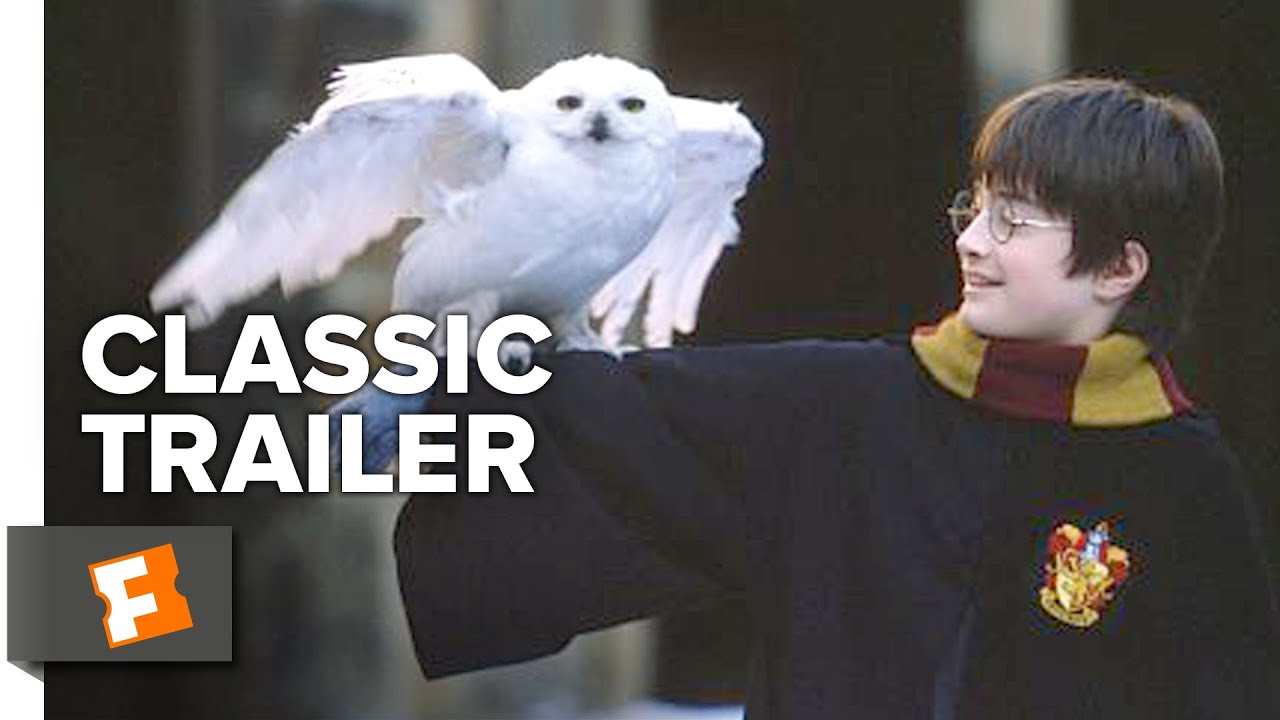
Harry Potter
J.K. Rowling's magical phenomenon launched June 1997 in the UK as Harry Potter and the Philosopher's Stone (Sorcerer's Stone in the US). Three books released before the decade ended; by 1999 the series topped global bestseller lists and sparked a franchise that never stopped—within a year, midnight release parties were a cultural tradition.

Diary of a Wimpy Kid
Middle-schooler Greg Heffley's hand-lettered diary, drawn in stick figures, became the book that made reluctant readers into readers. Every school library's most dog-eared spine.
![Video thumbnail — The Chronicles Of Narnia: The Lion, The Witch And The Wardrobe - Official® Trailer [HD]](https://i.ytimg.com/vi/cNuoUKDbX_4/maxresdefault.jpg)
The Chronicles of Narnia
C.S. Lewis's seven-book fantasy series that opened via a wardrobe and stayed in your head for decades. For 90s and 2000s kids, Narnia lived in classroom read-alouds, Scholastic box sets, and library paperbacks with that iconic cover art — the White Witch, Turkish delight, and Aslan waiting inside.

Percy Jackson & the Olympians
A dyslexic twelve-year-old finds out his dad is Poseidon, his best friend is a satyr, and summer camp trains demigods. Rick Riordan's five-book series — The Lightning Thief through The Last Olympian — put the Greek gods in modern America and became the book fair's hottest ticket of the late 2000s.