The Indian in the Cupboard

The 1995 Frank Oz film in which a boy's birthday cupboard brings a plastic toy to life as a tiny 18th-century Onondaga man. Reviews were mixed to positive and audiences mostly skipped it in theaters, but it found its following on home video.
Lynne Reid Banks published The Indian in the Cupboard in 1980, and The New York Times' 1981 review called it the "best novel of the year." Sequels followed, starting in 1985. The film, from Paramount, Columbia and the Kennedy/Marshall Company, was directed by Frank Oz and written by Melissa Mathison, who had written E.T. the Extra-Terrestrial.
Hal Scardino plays Omri, a New York City boy who gets an old cupboard from his brother for his ninth birthday. His mother gives him a key that belonged to her grandmother. When he locks a plastic figure inside, it wakes up as Little Bear, an Onondaga man fighting on the British side of the French and Indian War. Omri's friend Patrick then brings a toy cowboy to life: "Boohoo" Boone, from 1879, played by David Keith. When the boys show them a western on TV, Boone cheers on the killing of Native Americans and Little Bear shoots an arrow into his chest. Omri has to bring a World War I medic, played by Steve Coogan, to life to save him.
Little Bear was the film debut of the rapper Litefoot, whom the American Indian College Fund recommended to the producers after he played a concert it organized in Rome. Once cast, he persuaded the filmmakers to replace their Mohawk adviser with an Onondaga one. "From the bottom of my feet to the top of my bald head, all the tattooing, the dropped earlobes, the leggings, the moccasins, were all Onondaga in 1761," he said. His tattoos were redrawn in permanent marker every shooting day, a job of three and a half to four and a half hours.
The film opened July 14, 1995, debuted at No. 6, and took about $35.7 million in North America against a reported $45 million budget, which made it a box-office bomb. Roger Ebert found it "not exhilarating or exciting or funny in the ways that E.T. was" and predicted kids would find it "depressing." Audiences gave it an A− in CinemaScore polling, and it found its following on video. The book, meanwhile, has long drawn criticism. At the American Library Association's 1991 conference, two former presidents of the American Indian Library Association put it and its sequels on a list of "titles to avoid," calling them acclaimed books "riddled with horrendous stereotypes of Native Americans."
Similar items

Homeward Bound: The Incredible Journey
Left at a ranch while their family is away — and convinced they've been abandoned — two dogs and a cat set out across the wilderness to get home. Chance, the reckless young American Bulldog; Sassy, the imperious Himalayan cat; and Shadow, the wise old Golden Retriever, against the Sierras. Disney's remake of its own 1963 classic earns every tear it takes from you.
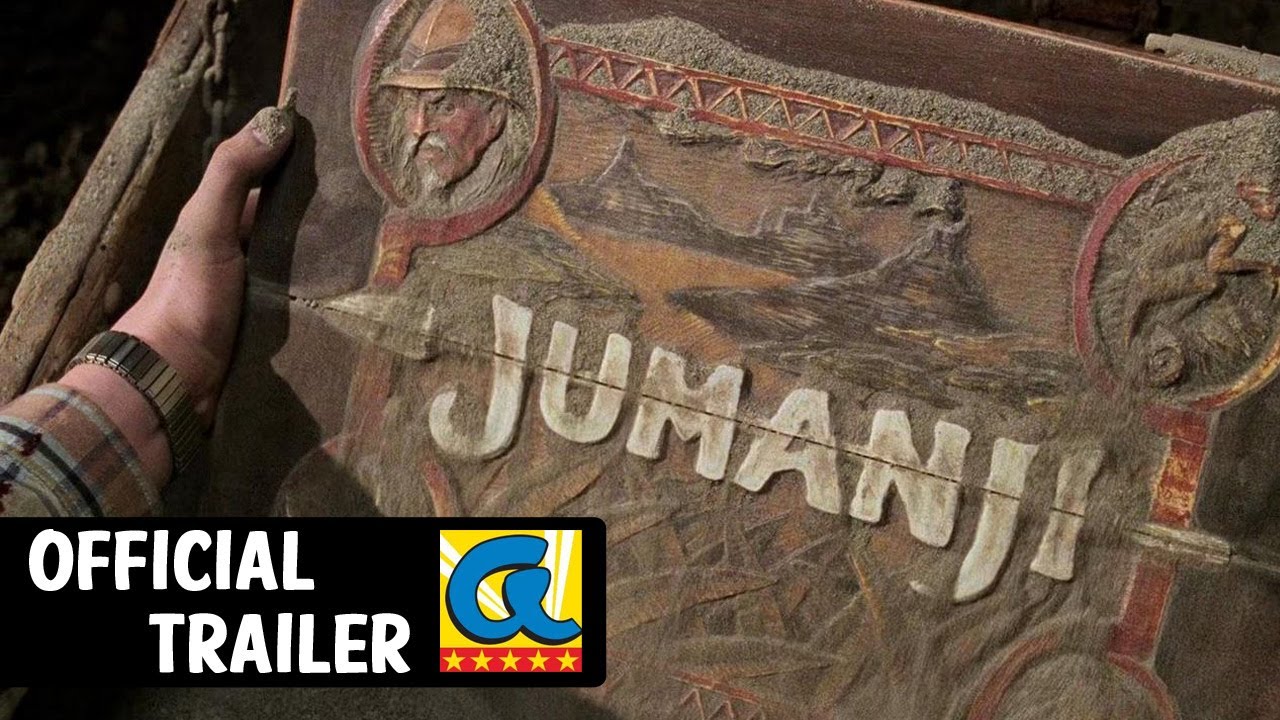
Jumanji
Robin Williams as an adult sprung from a magical jungle game — stampeding rhinos, vine-swinging chaos, and a board game that destroys your house from the inside out. Joe Johnston's December 1995 film combined state-of-the-art CGI and animatronics to bring a children's book to vivid, dangerous life, grossing over $260 million worldwide and proving games were no longer safe fantasy.

The Pagemaster
Macaulay Culkin, four years after Home Alone, ducks into a library to escape a storm and gets melted into a cartoon, where three talking books and Long John Silver, Moby-Dick and Dr. Jekyll chase him toward the exit sign. It cost a reported $34 million, made $13.7 million, and was the last animated feature 20th Century Fox released with hand-painted cels.

Small Soldiers
Joe Dante's 1998 movie about toys that come alive and go to war: a defense contractor puts a munitions-guidance chip in a line of action figures, and the Commando Elite decide the gentle Gorgonites must be destroyed, along with anyone who gets in the way. Empire's verdict: "It's Gremlins with toy soldiers, except not quite as dark or funny."