Percy Jackson & the Olympians

A dyslexic twelve-year-old finds out his dad is Poseidon, his best friend is a satyr, and summer camp trains demigods. Rick Riordan's five-book series — The Lightning Thief through The Last Olympian — put the Greek gods in modern America and became the book fair's hottest ticket of the late 2000s.
Percy Jackson began as bedtime stories. Rick Riordan invented the character for his son Haley, who had been diagnosed with ADHD and dyslexia — so Riordan made his demigod hero hyperactive and dyslexic too. At Haley's urging he turned the stories into a novel, road-tested the manuscript on a group of sixth-through-eighth graders (who helped choose the title and how Percy's sword works), and sold it in 2004 for enough money to quit his job and write full-time. The Lightning Thief arrived in 2005 and sold more than 1.2 million copies.
The premise clicked instantly with kids: the Greek gods are real, alive, and headquartered in 21st-century America; their half-mortal children train at Camp Half-Blood on Long Island; and Percy — son of Poseidon — must stop the Titan lord Kronos from destroying the world, with Athena's daughter Annabeth and the satyr Grover at his side. Four sequels landed annually like clockwork: The Sea of Monsters (2006), The Titan's Curse (2007), The Battle of the Labyrinth (2008), and The Last Olympian (2009). Reviewers reached for the obvious comparison — "look no further for the next Harry Potter," wrote Kirkus — and the sales eventually backed it up: more than 180 million copies worldwide by 2022, one of the best-selling book series of all time, with a run on the New York Times children's-series bestseller list measured in hundreds of weeks.
Hollywood took two swings and missed with fans — the 2010 film of The Lightning Thief was a commercial success but drew mixed reviews for straying from the book, and the 2013 sequel fared no better with critics — while the sequel series (The Heroes of Olympus, The Trials of Apollo) kept the world growing on the page. In 2023, a Disney+ adaptation finally arrived to positive reviews, delivering the faithful version an entire generation of former middle-schoolers had been waiting for since the Bush administration.
Similar items

Harry Potter
J.K. Rowling's magical phenomenon launched June 1997 in the UK as Harry Potter and the Philosopher's Stone (Sorcerer's Stone in the US). Three books released before the decade ended; by 1999 the series topped global bestseller lists and sparked a franchise that never stopped—within a year, midnight release parties were a cultural tradition.
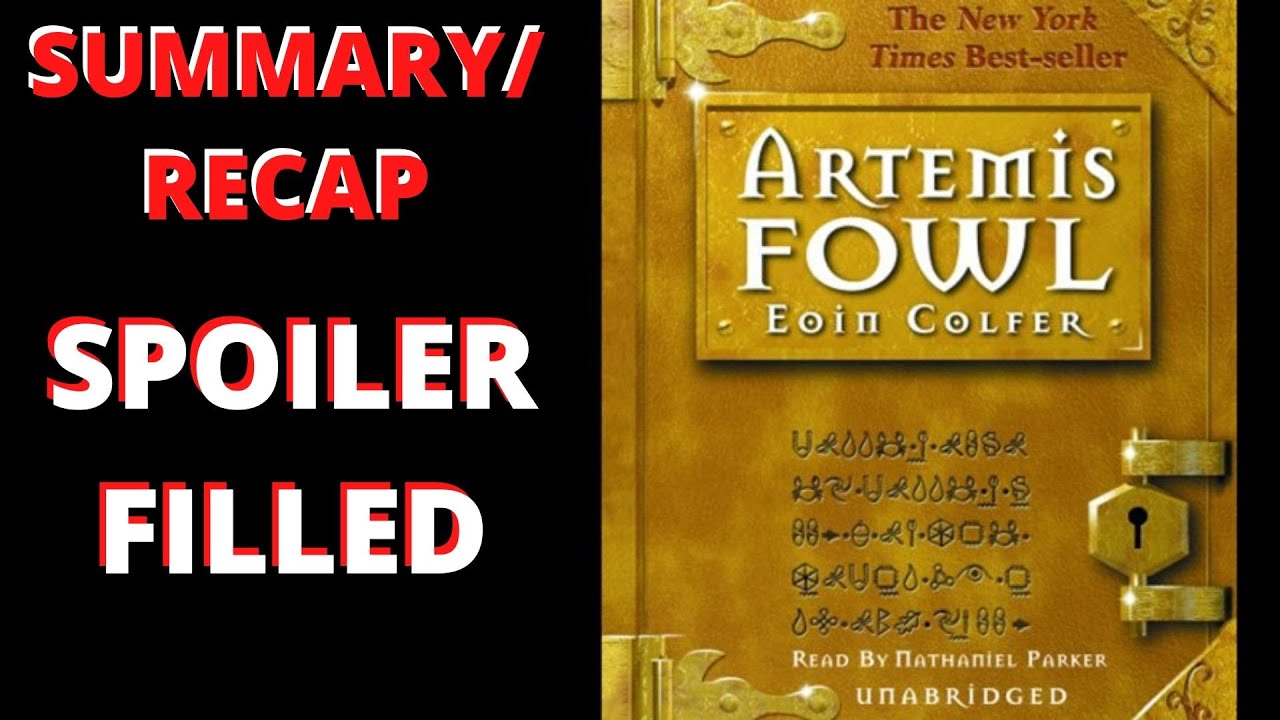
Artemis Fowl
A twelve-year-old criminal mastermind kidnaps a fairy cop and holds her for a ransom of fairy gold. Eoin Colfer's "Die Hard with fairies" gave 2000s bookworms their favorite villain-protagonist — and the coolest cover in the book fair.

Diary of a Wimpy Kid
Middle-schooler Greg Heffley's hand-lettered diary, drawn in stick figures, became the book that made reluctant readers into readers. Every school library's most dog-eared spine.

Magic Tree House
Jack and Annie climb into a tree house full of books, point at a picture, and the whole thing spins off to dinosaurs, knights, or the deck of the Titanic. Mary Pope Osborne's chapter-book series turned a generation of kids into readers — one 'research trip' at a time.