Baldur's Gate

BioWare's 1998 Dungeons & Dragons epic: a hero of your own making, a party of companions across the Sword Coast, and Minsc the ranger shouting "Go for the eyes!" on behalf of Boo, his miniature giant space hamster. Interplay's British office forecast zero sales; it did a million in a year and brought the computer RPG back from the dead.
BioWare was six founders in Canada when it began the game in 1995 under the working title Forgotten Realms, with a budget of about $1 million and a staff that grew to sixty, none of whom had shipped a game before. The design borrowed Wasteland's philosophy that every goal should have more than one solution. Instead of tiled maps, every background was rendered individually, which stretched the schedule, and the whole thing ran on the new Infinity Engine, which Interplay then reused for Planescape: Torment and Icewind Dale. It took 90 man-years.
The game adapts Advanced Dungeons & Dragons 2nd edition rules: you create an orphan raised by the mage Gorion in the library fortress of Candlekeep and work your way down the Sword Coast through an iron crisis and the schemes of the villain Sarevok, recruiting companions on the way. The companions are the part people quote. Minsc, a Rashemi ranger who takes counsel from his hamster Boo, a "miniature giant space hamster," came out of lead designer James Ohlen's tabletop campaign and was voiced by Jim Cummings; he became the series' de facto mascot. Imoen, the thief, was a late addition to fill a "non-psychotic-thief gap," her lines assembled by editing the voice-over of an unused demo character, and budget constraints left her with little voiced dialogue.
Interplay expected little. Its British headquarters forecast zero sales there, the German projection was 50,000 copies, and BioWare's own goal was 200,000 worldwide. Shipped to stores on December 21, 1998, the first run of 50,000 sold out immediately; sales hit 175,000 by mid-January, the fastest in Interplay's history, and a million by November 1999. PC Gamer wrote that it "reigns supreme over every RPG currently available," and it was credited with reviving computer role-playing games, which the industry had largely written off.
Tales of the Sword Coast expanded it in 1999, Baldur's Gate II: Shadows of Amn followed in 2000, and after a long gap came Beamdog's Enhanced Edition in 2012 and Larian's Baldur's Gate 3 in 2023, with Minsc and Boo still along. BioWare went on to Knights of the Old Republic and Mass Effect, but the Sword Coast of 1998 is where it learned to write a party.
Similar items

Diablo II
The dark, click-to-loot dungeon crawler whose endless hunt for better gear defined turn-of-the-millennium PC gaming. You clicked, monsters died, loot rained, and Battle.net kept you up until dawn.
Knights of the Old Republic
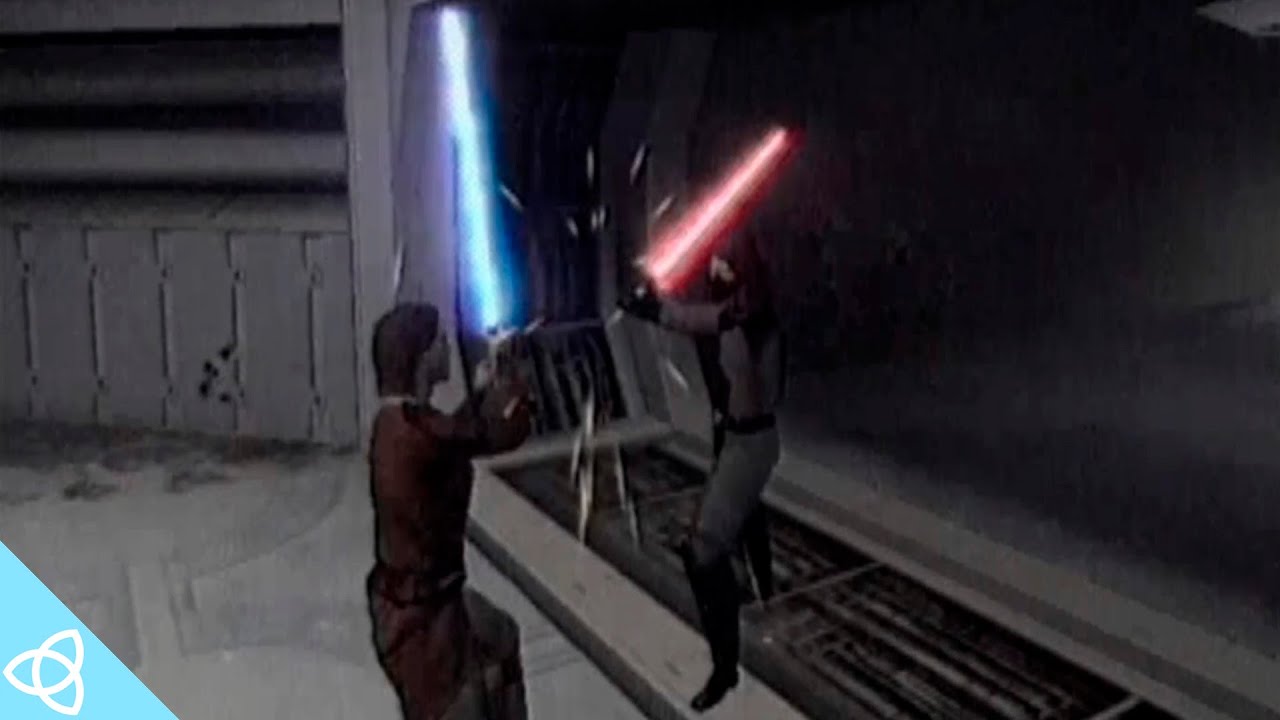
BioWare's Star Wars epic, set 4,000 years before the films and freed from movie canon entirely. Released in July 2003, it asked a question no Star Wars game had really asked before: what if your choices actually mattered? And then it hit you with THAT twist.

EverQuest
The first massively successful 3D MMORPG, a game that proved millions would live together in a virtual world. The world of Norrath, corpse runs, the brutal grind, and "EverCrack" addiction became the template for everything that followed.

Magic: The Gathering
Richard Garfield's 1993 creation, Magic: The Gathering invented the collectible card game genre and became a phenomenon that consumed thousands of hours and dollars from basement dwellers and tournament pros alike. Casting spells, summoning creatures, and crushing opponents with clever deck construction, Magic made trading-card games respectable — and obsessive.