
3D Doritos
Hollow, puffed, three-dimensional Doritos that dissolved on your tongue the instant you crunched them. They tasted vaguely like all the regular Doritos flavors but somehow better, and then Frito-Lay decided we didn't deserve them anymore.
35 items
Hollow, puffed, three-dimensional Doritos that dissolved on your tongue the instant you crunched them. They tasted vaguely like all the regular Doritos flavors but somehow better, and then Frito-Lay decided we didn't deserve them anymore.

Hershey's entry into the gummy-bear wars, forever burned into memory by TV commercials of little bears who sang like a choir. For a lot of 90s kids, it was the first gummy bear they ever met.
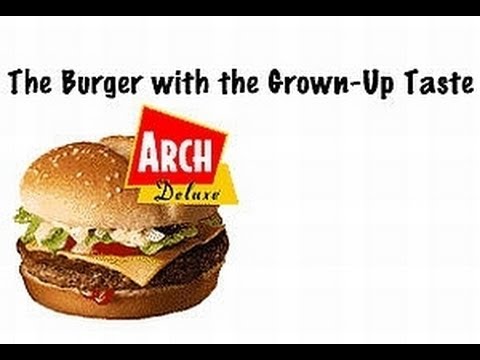
McDonald's 1996 gamble: a quarter-pound burger on a potato-flour bun with peppered bacon, Dijonnaise, and a mandate to drag the golden arches upmarket. The ads showed kids recoiling from its sophistication — "kids hate it" was the actual pitch. It's remembered as one of the most expensive flops in fast-food history.
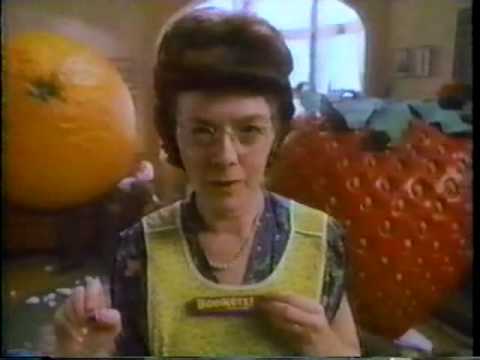
Chewy rectangular fruit candies with a tangy center, sold on the back of some of the most surreal commercials of the era — a giant piece of fruit dropping out of the sky to flatten some unsuspecting bystander. 'Bonkers! Bonks you out!'

Burger King's mini-burger saga: first Burger Bundles, whose tiny patties fell through the flame-broiler, then Burger Buddies — a single figure-eight patty on conjoined buns, made to be torn into two little cheeseburgers for 99 cents. A novelty born from an engineering failure.
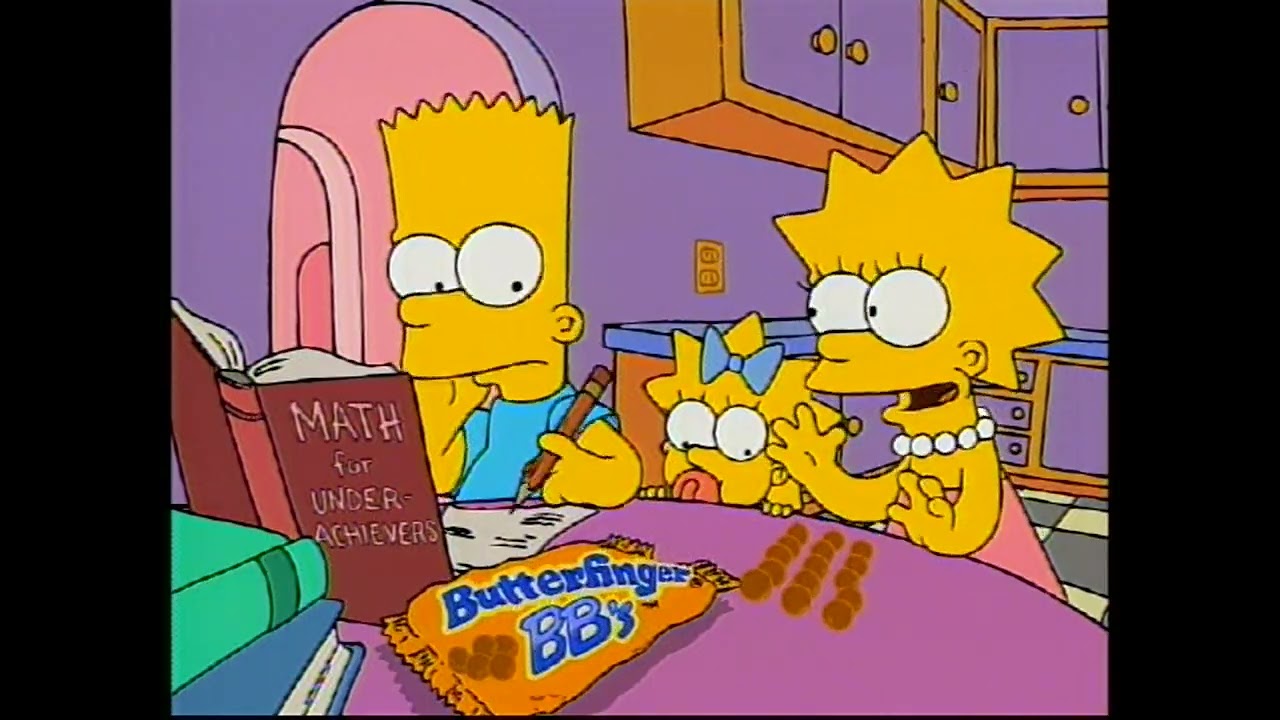
Marble-sized spheres of Butterfinger — crispy peanut-butter core wrapped in chocolate — sold in resealable pouches and at movie-theater counters. The Simpsons were the face: Homer eternally scheming to get at Bart's stash, Bart warning that nobody better lay a finger on his Butterfinger. Launched in 1992, discontinued in 2006 with no explanation — and fans never stopped asking for a comeback.

Planters' bright-blue canister of neon-orange puffed cheese balls — the road-trip and after-school snack that dyed your fingertips a shameless shade of orange. Discontinued in 2006, mourned for over a decade, and briefly resurrected by popular demand.
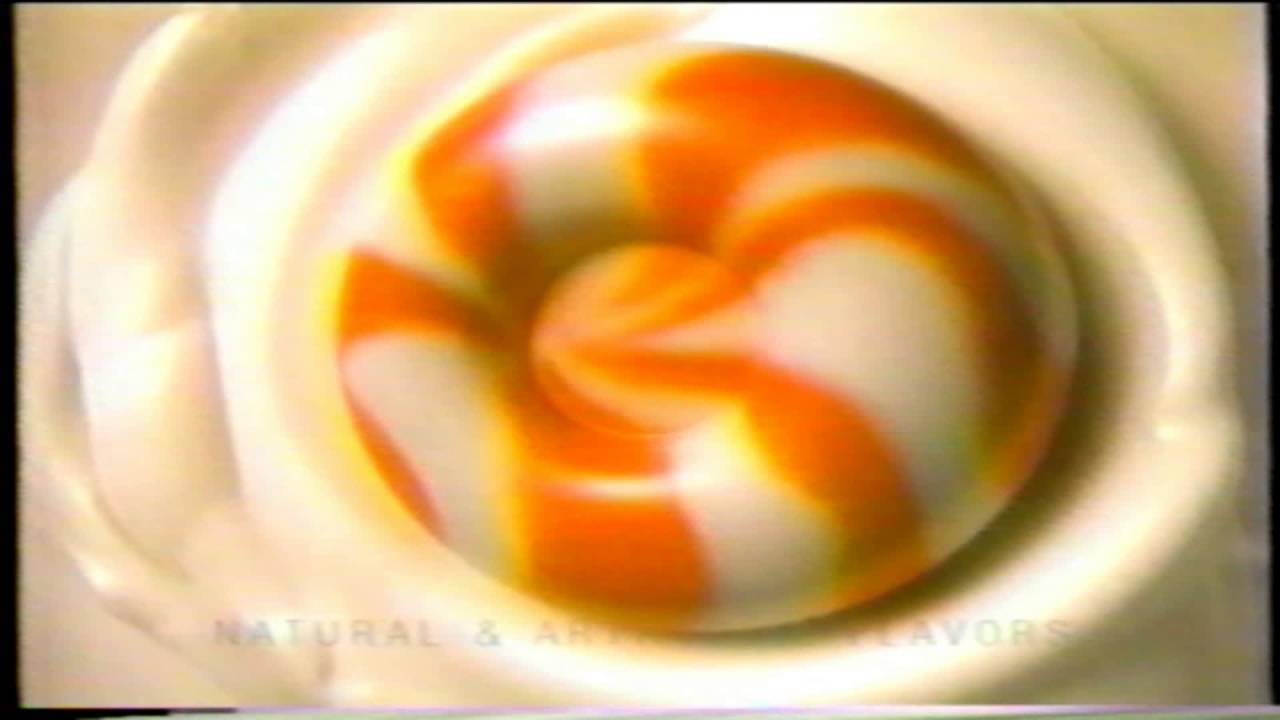
The swirled hard candy that paired fruit with cream — and ruled checkout lanes and grandmas' purses from the late '90s into the 2000s. Strawberries & Creme was the icon, its red-and-cream spiral instantly recognizable. Discontinued in 2011, mourned for a decade, and back on shelves since 2021.

Take the 7 UP logo and flip it upside down: dnL. Take the drink and flip it too — green soda in a clear bottle instead of clear soda in a green one, with caffeine instead of none and an extra citrus kick. The most committed-to-the-bit soft drink of the early 2000s lasted four years and left behind a small, devoted cult.

Tiny slices of French toast in a cereal bowl, syrup flavor baked into every piece — Cinnamon Toast Crunch's mid-'90s sister cereal. Discontinued in the U.S. in 2006, mourned for eight years, and brought back by popular demand in its original tiny-toast shape.
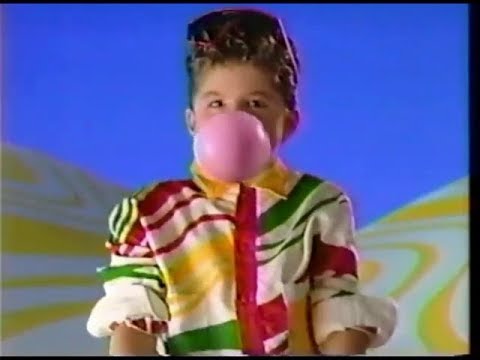
Rainbow-striped sticks of gum fronted by Yipes the zebra, whose wrappers doubled as temporary tattoos. A childhood staple you unwrapped as much for the tattoo as for the gum itself.

Miniature Hershey's Kisses in a crunchy candy shell — red, orange, yellow, green, and blue, poured straight from the pouch. Hershey's answer to M&M's lasted less than four years before quietly vanishing in 2009, leaving behind one of the 2000s' most specifically mourned candies.
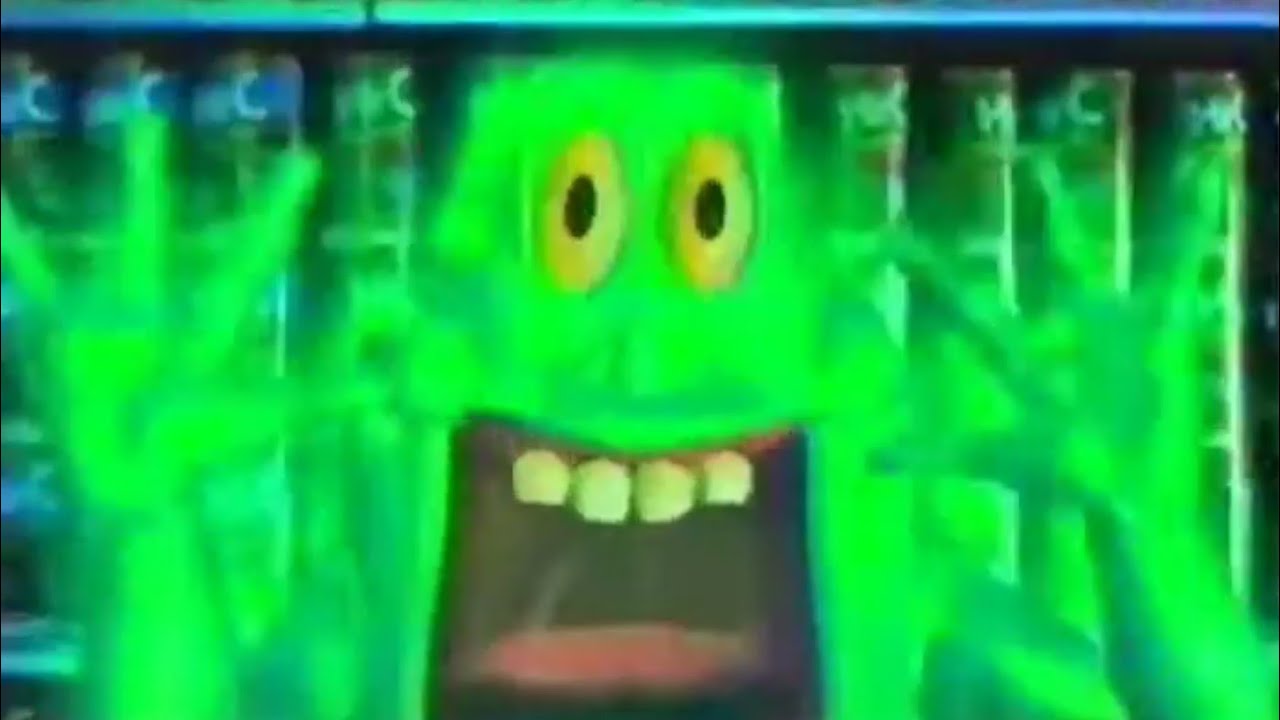
The radioactive-green juice box with Slimer grinning on the label. Hi-C's Ecto Cooler was a Ghostbusters tie-in that tasted like tangerines, glowed neon green, and lived in a generation's lunchboxes long after the cartoon was gone.

General Mills cereal that turned breakfast into a treasure hunt: sweet corn squares that all looked identical, but only some were filled with a hidden fruity center. Every spoonful was a gamble on whether you'd struck gold or bitten into an empty.
Pudding on a stick — not ice cream, not a popsicle, but the texture of chilled pudding frozen solid, with that thin frost layer straight from the box. A 1981 hit whose glow carried through '90s childhoods, revived and rejected in 2004, and gone by the early 2010s.

The soda that made a virtue of overkill: 'All the sugar and twice the caffeine.' The unofficial fuel of all-nighters, cram sessions, and anyone with a deadline and no intention of sleeping.
PepsiCo's high-energy guaraná drink, marketed as "Better do the good stuff now" and remembered for its dark snarling-cat branding. Often credited as the first energy drink from a major U.S. beverage company, it arrived years ahead of the energy-drink boom — and was gone by 1999.

Keebler's pizza-flavored snack chips made from pizza dough, sold on the promise that they 'taste like real pizza, only louder.' A crunchy shot of Zesty Pepperoni or Pizza Supreme straight from the pantry.

The 'granola bar' that fooled exactly no one — a slab of chocolate, fudge, and candy in a wrapper that let your mom feel okay about it. Finding a Kudos in your lunchbox instead of a plain granola bar was a good day; the M&M's version was a great one.

Coca-Cola's aggressively ironic mid-'90s experiment: a soft drink built on market research showing that "OK" was the most recognizable word on Earth. The gray neo-noir cans were illustrated by alternative-comics artists Daniel Clowes and Charles Burns, the slogan promised only that "Things are going to be OK," and the whole thing was dead within a year.

The 'potable lava lamp' — a clear fruit drink with little colored gel balls eerily suspended throughout the bottle. It looked incredible on the shelf, tasted divisive, and vanished almost as fast as it appeared.
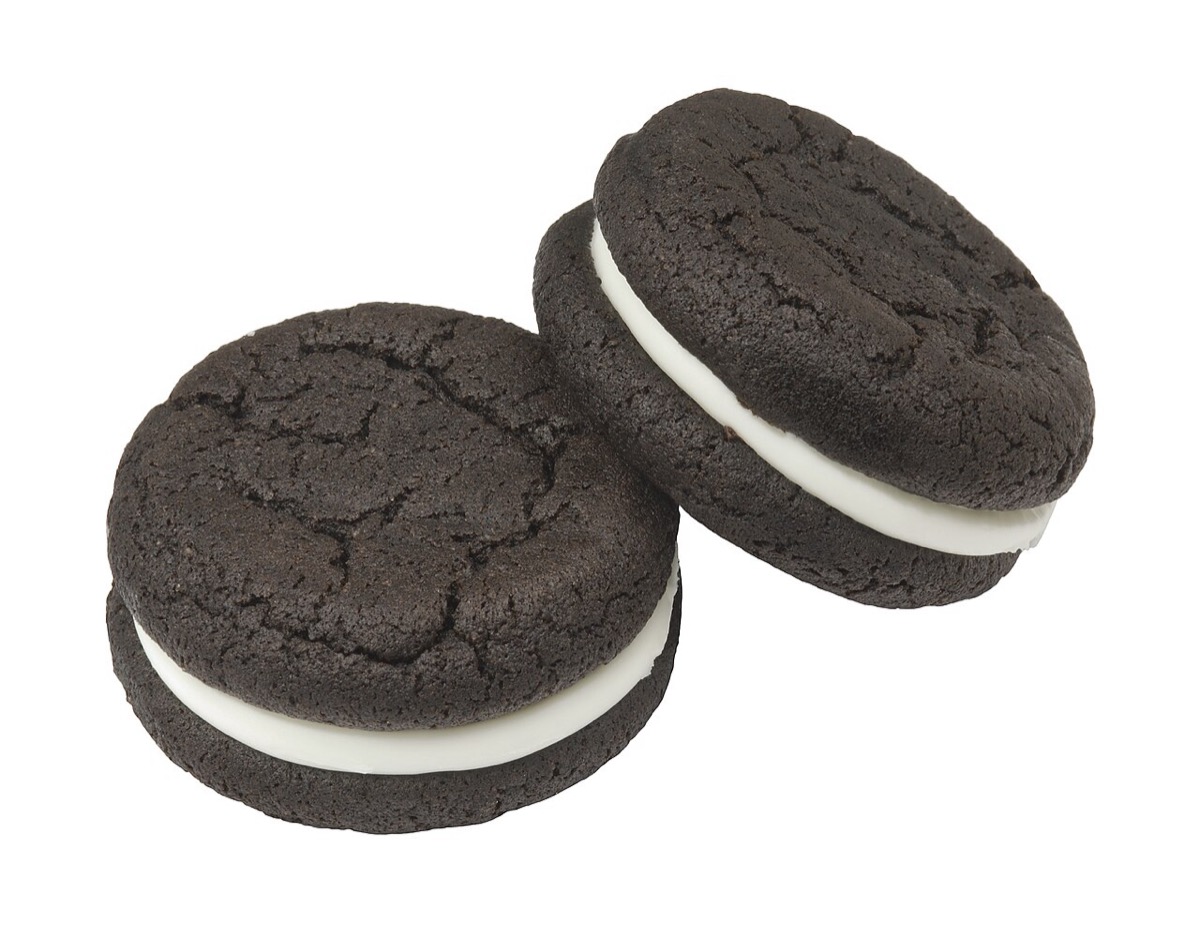
The soft, squishy lunchbox Oreo — two chocolate snack cakes around the familiar white creme — that lasted five years, vanished in 2012, and got mourned so hard Nabisco finally brought it back a decade later.

Cookies for breakfast, officially sanctioned. Post's Oreo O's were little chocolate cereal loops flecked with cream that turned the milk a chocolatey brown — and then, one day, they vanished, becoming one of the most mourned discontinued cereals of the era.
A snack that lived in the middle ground between a cookie and a candy bar: a graham-cookie shell shaped like a peanut, filled with peanut-butter creme, and gone too soon. Planters' PB Crisps captured their moment so perfectly they became permanently regretted.

Mars's turn-of-the-'90s creation: a square of whole-grain cookie topped with creamy peanut butter, enrobed in milk chocolate studded with crunchy cookie bits. It became legendary not for its sales — which were solid — but for the family politics behind its disappearance.
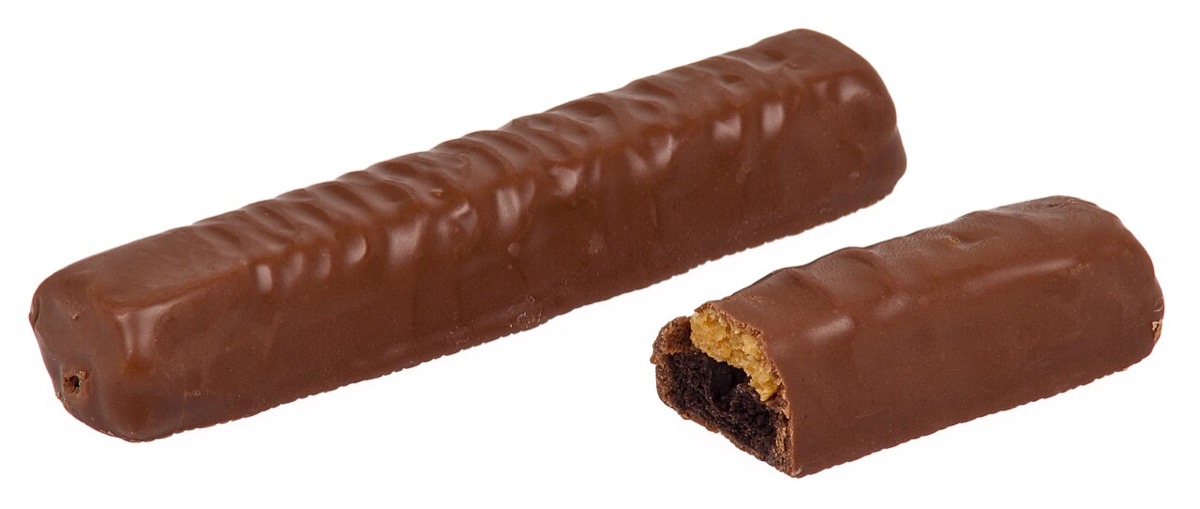
The chocolate-and-peanut-butter version that proved the eternal Twix schism was real. It arrived in the '80s, ruled the '90s, then vanished — only to remind a generation just how much they missed it. For some, the peanut butter layer where the caramel should be is the only Twix that matters.

The electric-blue, berry-flavored soda PepsiCo pushed with a huge early-2000s marketing blitz — Britney-era ads, Papa Roach tie-ins, and a taste somewhere between cotton candy and berry. Gone by 2004.
Two square feet of rectangular pizza cut into 21 slices — Pizza Hut's largest product and its loudest shot in the '90s value-pizza war. Even the marketing was oversized: the Bigfoot advertising blimp crashed onto a Manhattan apartment roof during the pizza's 1993 launch summer.
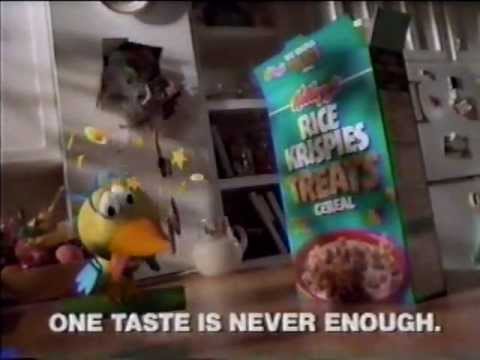
Kellogg's turned the marshmallow rice treat into a breakfast cereal: presweetened clusters that tasted like the bake-sale bar. Add milk and watch it turn to liquid nostalgia. A dessert officially sold as breakfast.

General Mills' star-shaped cereal, every piece coated in multi-colored sprinkles like a birthday cake you were allowed to eat for breakfast. Pitched by a genie who granted exactly one wish: more sprinkles.

The hot-pink can of Coca-Cola's first-ever diet drink — a saccharin-tart cola with a fanatically loyal following. Once the best-selling diet soda in America, TAB hung on for decades as a cult relic long after Diet Coke stole its crown.

TasteTations were Hershey's answer to Werther's Originals — creamy hard candies that arrived in the mid-1990s with a lineup of chocolate-inspired flavors: Chocolate, Chocolate Mint, Chocolate Raspberry, Chocolate Caramel, Caramel, Peppermint, and Butterscotch. Heavily promoted with TV spots and in-store samples, they were the candy that felt sophisticated and indulgent. Yet despite the hype, they couldn't survive the early 2000s and faded from shelves, leaving a devoted nostalgic following.

Keebler's 1985 answer to casual-dining excess: a thick, crunchy chip shaped like a baked-potato half and made with real potato skins — the loaded-skins appetizer, translated into a bag. Heavy and satisfying in a way regular chips could not match.
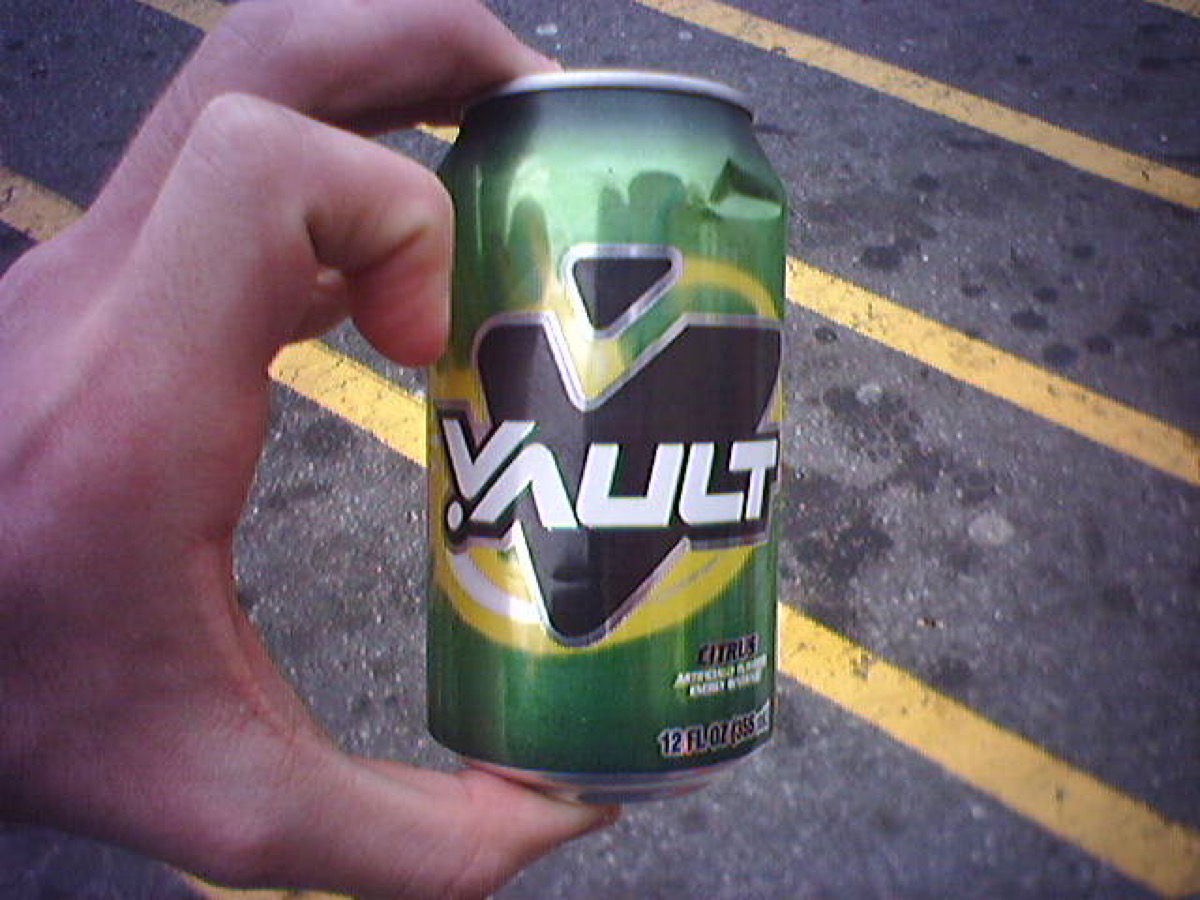
Coca-Cola's bright-green hybrid arrived in 2006 with a promise: "Drinks like a soda, kicks like an energy drink." For fans of the dearly departed Surge, Vault was the second coming — until Coke pulled the plug in 2011 and brought back Mello Yello instead.
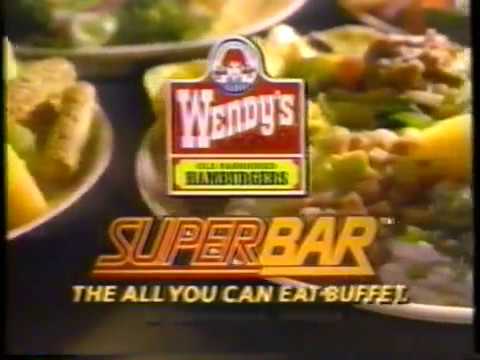
Wendy's all-you-can-eat buffet for $2.99: the Garden Spot, the Mexican Fiesta, and Pasta Pasta, three stations of self-serve freedom inside a burger chain. Popular with customers, brutal on the stores that had to keep it stocked — it was gone by 1998.