QBasic Gorillas (GORILLA.BAS)

Two gorillas on a city skyline, hurling explosive bananas at each other. You typed an angle, a velocity, and prayed you'd read the wind right. It came free with MS-DOS — hidden in plain sight on millions of PCs — and it turned a programming demo into a playground legend.
Gorillas — the file was GORILLA.BAS — was written at Microsoft as a demonstration program for QBasic, the beginner-friendly programming language that shipped with MS-DOS 5.0 in 1991 (the code itself carries a 1990 copyright). Alongside NIBBLES.BAS, a snake game, it was there to show off what QBasic could do: a turn-based artillery duel where two King Kong-style gorillas lob bananas across a randomly generated skyline, each throw set by typing an angle and velocity while the wind shifts every round. Explosions bit chunks out of the buildings, and a direct hit sent the losing gorilla into a defeated little animation.
Because it rode along with the operating system, Gorillas was everywhere a DOS PC was — the family computer, the school lab, the office machine after hours — with no box, no price tag, and no instructions beyond word of mouth. Better still, it was an open BASIC source file: kids discovered they could open the code in QBasic and mod it, cranking the gravity, supersizing the banana blast radius, and accidentally getting their first programming lesson in the process. The game's speed was tied to the computer's processor, so it ran comically fast on newer machines — part of its scrappy charm.
QBasic kept shipping on Windows 95, 98, and Me install media, but Windows 2000 finally dropped it, and Gorillas faded with the DOS era it belonged to. Its afterlife says everything: the QB64 project later bundled a speed-corrected version of Gorillas for modern machines — until copyright concerns forced its removal — a Microsoft language demo beloved enough, decades on, to be worth preserving.
Similar items
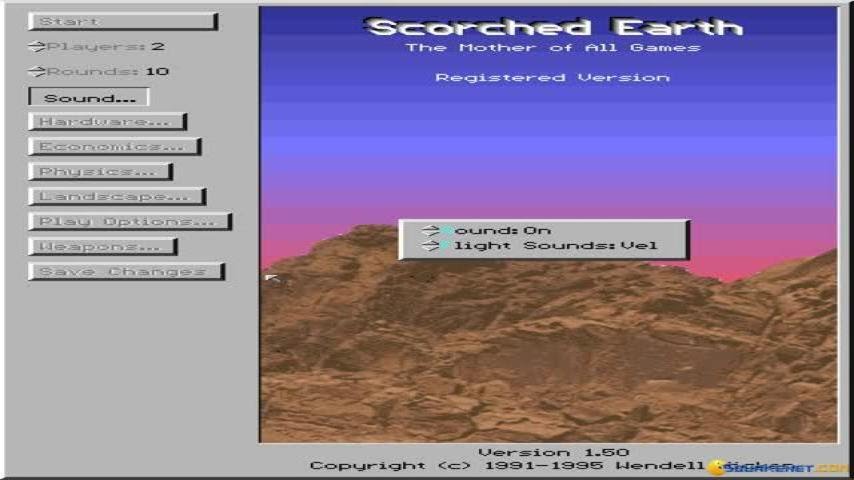
Scorched Earth
"The Mother of All Games"—a turn-based artillery tank battler where physics, wind, and an absurd weapon shop turned a single shared keyboard into hours of hot-seat chaos and sudden laughter.
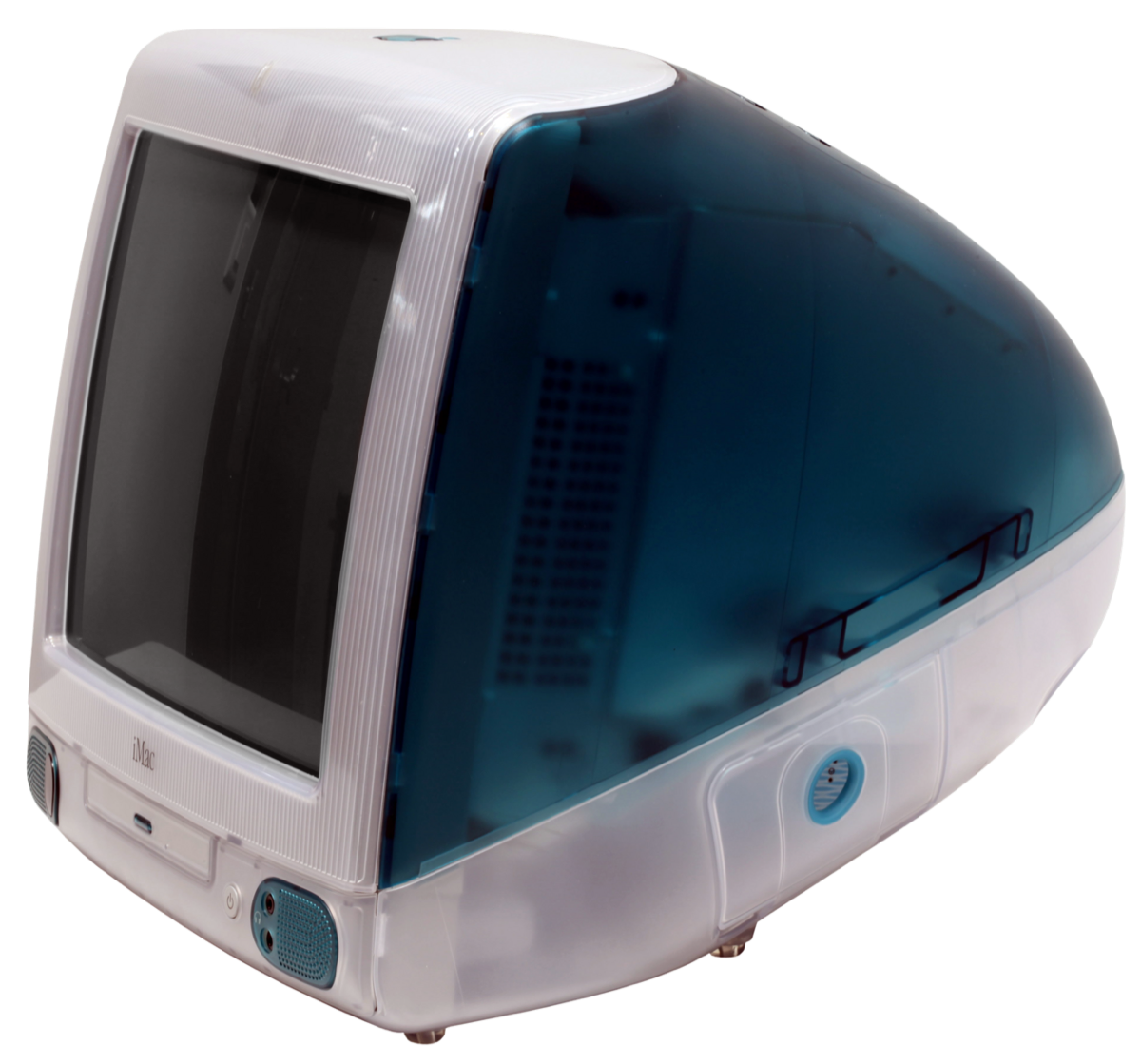
Computer Lab
The weekly pilgrimage down the hall to the room full of beige Apple computers, where you'd slot in a floppy disk, wait, and take turns dying of dysentery on the Oregon Trail. "Computer Day" was equal parts educational software and the first place a lot of kids ever touched a keyboard.

The Oregon Trail
The computer-lab game that taught westward expansion through dysentery and desperation. Every 90s kid named their wagon party after friends, overhunted buffalo, gambled on river crossings, and died of unexpected causes while technically learning American history.

The Treehouse
The backyard treehouse where two opossum buddies invited you to click everything just to see what it did. Brøderbund's 1991 edutainment hit dressed up music-making, mazes, and a money game in cozy backyard charm — and yes, they were opossums, no matter what your memory insists.