Snood

Launch goofy grimacing faces up the board, match three, and watch the ceiling ratchet down — while your AIM away message covered for you. Snood was the shareware puzzler installed on every dorm and computer-lab machine at the turn of the millennium, and it was written by a geology professor as a gift for his wife.
Snood was created by Dave Dobson, a geologist who went on to teach earth science at Guilford College in North Carolina for over two decades. He first released it for the Mac in 1996 as shareware — by his own telling, originally written as a gift for his wife. The gameplay was openly in the mold of Taito's arcade hit Puzzle Bobble (Bust-a-Move): aim a launcher at a board of hanging pieces, fire, and match three or more to drop them — except the pieces were Snoods, a cast of goofy, grimacing pixel faces, and instead of a strict timer the ceiling ratcheted down as punishment for wasted shots.
The Windows port arrived in 1999, and that's when Snood conquered its true habitat: the college dorm and the campus computer lab. It became one of the most popular shareware games of the early-internet era — over 200,000 registered copies sold, a serious number for a pass-along shareware title — and a fixture of the AIM-era procrastination loop: away message up, Snood window open, essay abandoned. The pops and boings of a clearing board were the ambient soundtrack of a certain kind of 1999–2003 all-nighter. Even Steve Wozniak has named it a favorite.
Snood kept traveling — a Game Boy Advance version in 2001, an iPhone release in 2009 — but its real home never changed: a beige lab PC with a half-written paper minimized underneath. It stands as one of the great unlikely software stories of its time — a geology professor's side project that out-lingered thousands of commercial games, one procrastinated afternoon at a time.
Similar items
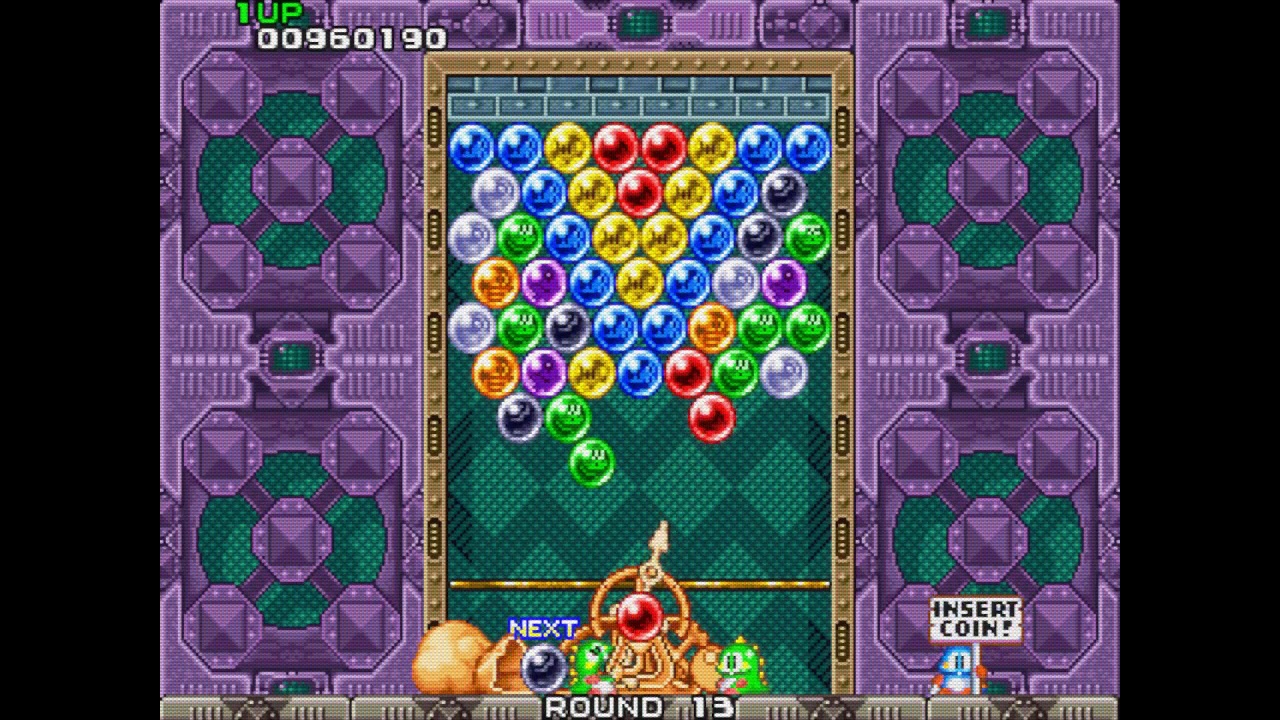
Bust-a-Move (Puzzle Bobble)
The cabinet at every bowling alley, skating rink, and pizza place: cute dinosaurs working a bubble cannon, three-of-a-color pops, and a slowly descending wall of doom. Bust-a-Move was the arcade game everybody's mom was secretly great at — and the formula was so good it never stopped being made.

AIM & MSN Messenger
The after-school ritual: logging on to a dial-up modem, scanning your buddy list, typing AIM away messages packed with song lyrics and veiled drama, and knowing your 12-year-old screen name would haunt you forever. AIM and MSN Messenger were the social nervous system of the '90s and 2000s — instant, informal, and utterly addictive.

3D Pinball: Space Cadet
The space-themed pinball table hidden in the Windows Games folder that ate untold hours in the computer lab. Rack up ranks from Cadet to Fleet Admiral, one launched ball at a time.
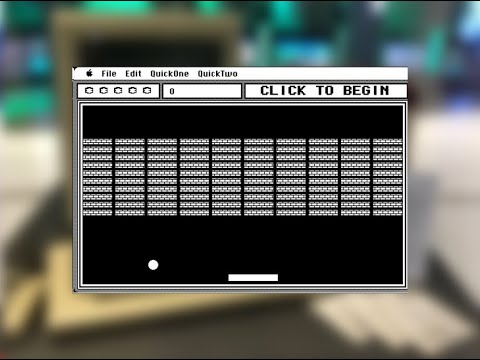
Brickles
Black bricks, a white ball, a paddle, and the entire free period gone. Brickles was the brick-breaker that lived on the school Macs — a one-man shareware game from 1985 that somehow ended up defining computer-lab downtime a decade later. It is still on sale today.