Goo Goo Dolls

Buffalo bar-band punks turned the kings of the late-90s radio ballad: Johnny Rzeznik and Robby Takac spent a decade in the van before "Name" and then "Iris" made them one of the biggest acts in America — and "Iris" sat on top of the airplay chart so long it set a record that stood for over two decades.
The Goo Goo Dolls formed in Buffalo, New York, in the mid-1980s — briefly and gloriously named the Sex Maggots — around guitarist/singer Johnny Rzeznik and bassist Robby Takac, grinding out scrappy punk-leaning records on small labels for a full decade (Paul Westerberg of the Replacements co-wrote 1993's "We Are the Normal" with them, a hint of where Rzeznik's songwriting was headed). The break finally came in 1995: "Name," a bittersweet acoustic ballad born of an accidental alternate tuning, hit number five on the Hot 100 and dragged the album A Boy Named Goo to double platinum after a decade of van tours and day jobs.
Then came "Iris." Written for the 1998 film City of Angels, it spent a staggering 18 weeks at number one on Billboard's Hot 100 Airplay chart — a record that stood for nearly 22 years — yet officially peaked at only number nine on the Hot 100 itself, because it was never released as a commercial single and airplay-only songs couldn't fully chart until Billboard changed the rules that December. It earned three Grammy nominations, was eventually certified diamond, and carried Dizzy Up the Girl (1998) to five-times platinum alongside "Slide" and "Black Balloon." For a couple of years, turning on any radio in America meant hearing Rzeznik's rasp within the hour.
The band never stopped: 2002's Gutterflower ("Here Is Gone") closed out the peak run, and a long adult-radio afterlife followed — around 15 million records sold and a record 14 top-ten hits on the adult-pop format. But their monument is that late-90s stretch when the loudest thing in pop was a Buffalo punk who'd learned to write the softest songs on the dial. The name, by the way, reportedly came from a toy ad in a True Detective magazine — even Rzeznik isn't sure anymore.
Similar items
![Video thumbnail — Goo Goo Dolls - Slide [Official Music Video]](https://i.ytimg.com/vi/yP4qdefD2To/hqdefault.jpg)
Goo Goo Dolls — "Slide"
"May-ayy, do you wanna get married, or run away?" — the jangliest, sunniest radio monster of late 1998 was secretly a song about two scared teenagers facing a pregnancy. It topped four different airplay charts, and most people singing along never noticed what it was about.
![Video thumbnail — Third Eye Blind - Jumper (Official Music Video) [HD]](https://i.ytimg.com/vi/gRYZijLZR-Q/maxresdefault.jpg)
Third Eye Blind
Stephan Jenkins' San Francisco hit machine: one self-titled 1997 debut that just would not stop producing singles — "Semi-Charmed Life," "Jumper," "How's It Going to Be," "Graduate" — all sunshine on the surface and something much darker underneath.

Blues Traveler
The jam band that actually broke through to Top 40 radio, with John Popper's lightning-fast harmonica as the most unlikely lead instrument of 1995. "Run-Around" logged a then-record 49 consecutive weeks on the Hot 100 and won a Grammy, and the Wizard of Oz video never left MTV.
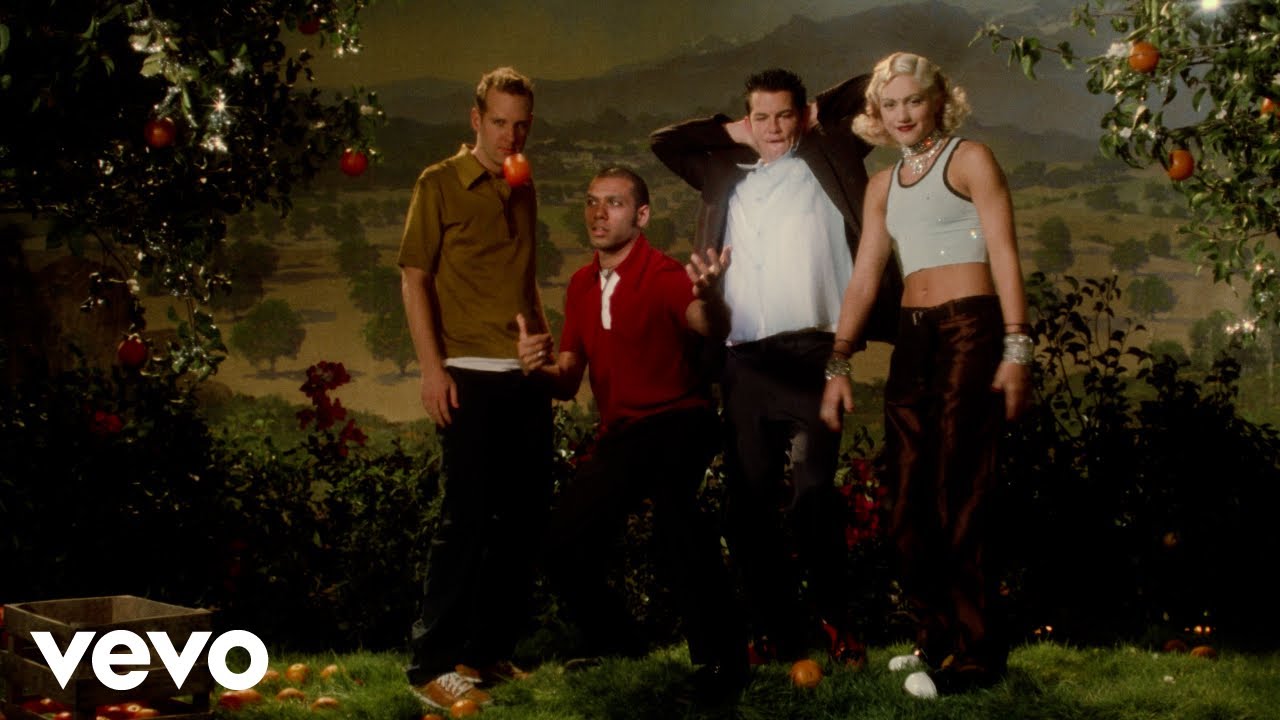
No Doubt
Gwen Stefani's bindi, bleached-blonde hair, and midriff on full display, fronting a bouncy ska-punk band out of Anaheim. "Just a Girl" and the aching "Don't Speak" made Tragic Kingdom one of the decade's defining albums.