New Radicals — "You Get What You Give"
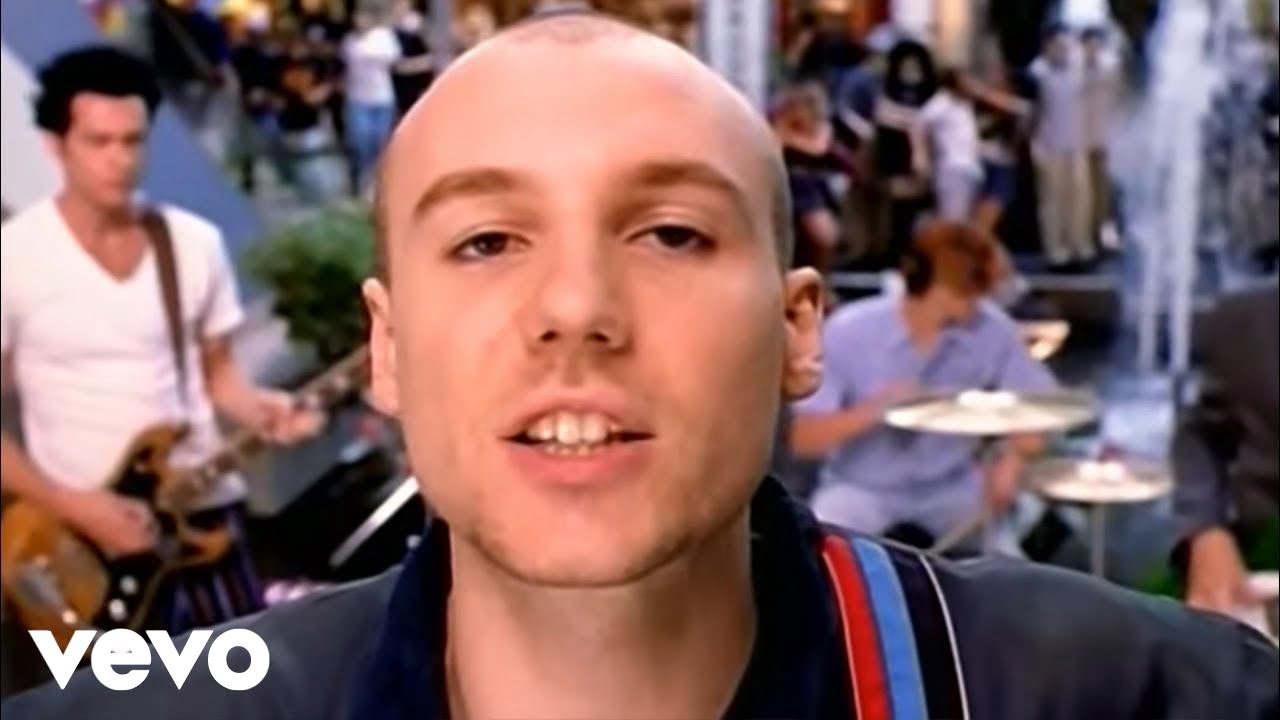
The one-hit wonder that was one hit by choice: eight months after this song exploded, Gregg Alexander dissolved the New Radicals by press release and walked away at the absolute top. The celebrity-slam verse? A deliberate trap for the media—and the media walked right into it.
Gregg Alexander formed the New Radicals in Los Angeles in 1997 and made exactly one album, Maybe You've Been Brainwashed Too (October 20, 1998). Its lead single, "You Get What You Give," released November 3, 1998, climbed to #36 on the Hot 100 and #8 on Modern Rock, and went to #1 in Canada and New Zealand and #5 in the UK—a bucket-hatted burst of piano-pounding optimism at the exact moment radio was drowning in post-grunge gloom.
The closing verse name-dropped Beck, Hanson, Courtney Love, and Marilyn Manson, and Alexander later revealed it was a deliberate test: would the media cover the verse's political lines about health insurance, the FDA, and banks—or the celebrity disses? The press largely chose the disses, exactly as he predicted. Beck said Alexander later apologized to him in person at a supermarket, explaining the line was never personal.
Then came the twist that made the song legend. On July 12, 1999—less than two weeks before the second single, "Someday We'll Know," was due out—Alexander dissolved the band by press release. He'd accomplished his goals, he explained; he hated touring and promotion, and had been wearing the bucket hat onstage partly so people couldn't see his lack of enthusiasm. He wanted to write and produce for others instead. He quit at the absolute top, and the second single arrived to a band that no longer existed.
The afterlife vindicated him: Alexander went on to write and produce hits for others, including Santana and Michelle Branch's "The Game of Love," and Joni Mitchell praised "You Get What You Give" as "a flower of hope" rising out of "McMusic." The New Radicals reunited exactly once—January 20, 2021, playing the song at the Biden inauguration festivities, where it had special meaning as a favorite of the president's late son Beau.
Similar items
The Wallflowers — "One Headlight"
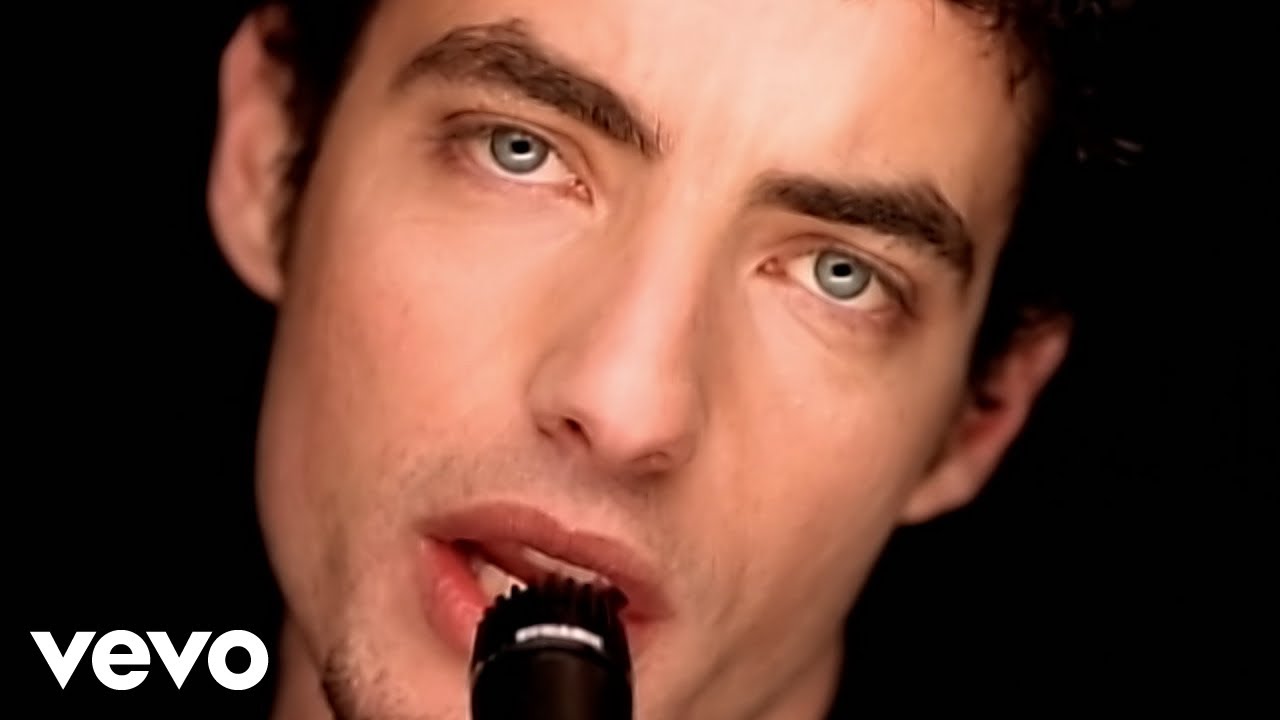
The melancholy glow of 1997 radio: Jakob Dylan—yes, that Dylan—singing about the death of ideas over the year's most inescapable groove. It topped every rock format at once, won two Grammys, and never even appeared on the Hot 100.
![Video thumbnail — Third Eye Blind - Semi-Charmed Life (Official Music Video) [HD]](https://i.ytimg.com/vi/beINamVRGy4/maxresdefault.jpg)
Third Eye Blind — "Semi-Charmed Life"
"Doo doo doo, doo doo-doo doo..." — the sunniest-sounding smash of 1997 was a song about crystal meth, and the radio edit made sure you couldn't tell. The hook that soundtracked every summer barbecue was hiding one of the darkest lyrics on the dial.

Chumbawamba — Tubthumping
"I get knocked down, but I get up again — you're never gonna keep me down." The 1997 pub-and-stadium singalong that became an inescapable global anthem — sung by a band most fans never realized was a veteran British anarchist collective.
Torn
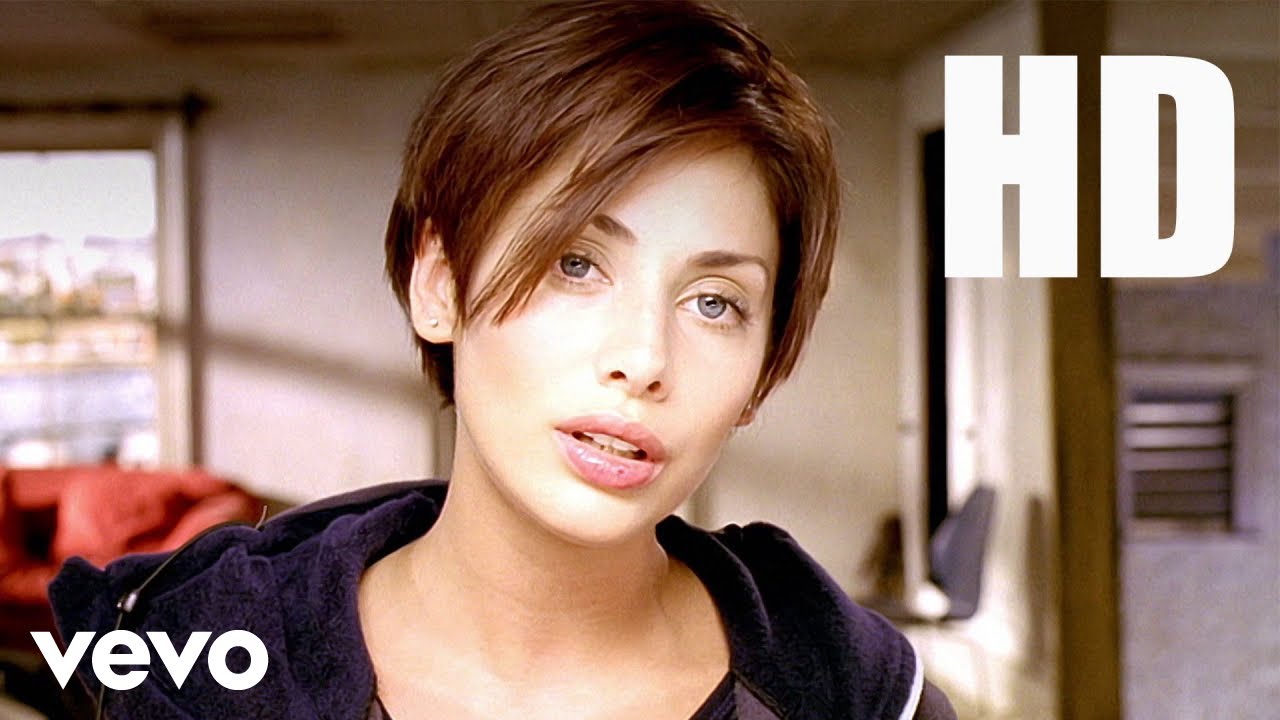
One of the biggest radio songs of the late '90s — and almost nobody knew it was a cover. Natalie Imbruglia's version went supernova in 1997, spending 11 weeks atop Billboard's airplay chart while barely denting the Hot 100, because you literally couldn't buy it as a US single. The video's film crew dismantled the apartment set around her mid-song.