Adam Sandler
The SNL goofball who became a box-office machine — Billy Madison, Happy Gilmore, The Wedding Singer, The Waterboy. In the '90s his man-child comedies and shouty voices made him one of the most bankable comedians alive.
33 items
The SNL goofball who became a box-office machine — Billy Madison, Happy Gilmore, The Wedding Singer, The Waterboy. In the '90s his man-child comedies and shouty voices made him one of the most bankable comedians alive.
The Canadian teen-pop star who reinvented herself as the voice of 90s female rage. Raw, oversharing, absolutely unapologetic about her feelings—she gave the decade permission to be a mess and call it art.
The search engine with a cartoon butler you asked full questions in plain English. Type "How tall is the Eiffel Tower?" and Jeeves would fetch the answer — a friendlier face on the early web.
The purple dinosaur that somehow became the most beloved and most despised children's television character of the 1990s — a phenomenon so massive it spawned both merchandise empires and playground backlash that made "Barney bashing" a genuine pop-culture sport. The closing song "I Love You" (sung to the tune of "This Old Man") made every parent's brain simultaneously swell with affection and shriek in agony.
Transformers that turned into animals instead of vehicles, backed by a groundbreaking all-CGI cartoon. Optimus Primal led the Maximals against a scheming Megatron who turned into a T-rex — and it quietly saved the whole franchise.
The jam band that actually broke through to Top 40 radio, with John Popper's lightning-fast harmonica as the most unlikely lead instrument of 1995. "Run-Around" logged a then-record 49 consecutive weeks on the Hot 100 and won a Grammy, and the Wizard of Oz video never left MTV.
The spinning, crate-smashing marsupial who became the PlayStation's unofficial mascot and Mario's cheeky rival. Naughty Dog's 1996 platformer sent Crash bouncing through jungle levels and dodging boulders — and defined a generation's PS1 afternoons.
The jam band that proved you didn't need guitar-on-guitar riffage—saxophone and violin could carry the whole load. College kids traded their live tapes like sacred relics, passing cassettes through dorm networks long before the internet caught up, and the band turned that devotion into an amphitheater-tour institution that defined summer for a generation.
The SNES game whose pre-rendered graphics looked so impossibly '3D' that kids begged for a turn just to see it. Donkey Kong and Diddy rolled through mine carts and jungle levels in a technical showcase that felt like the future.
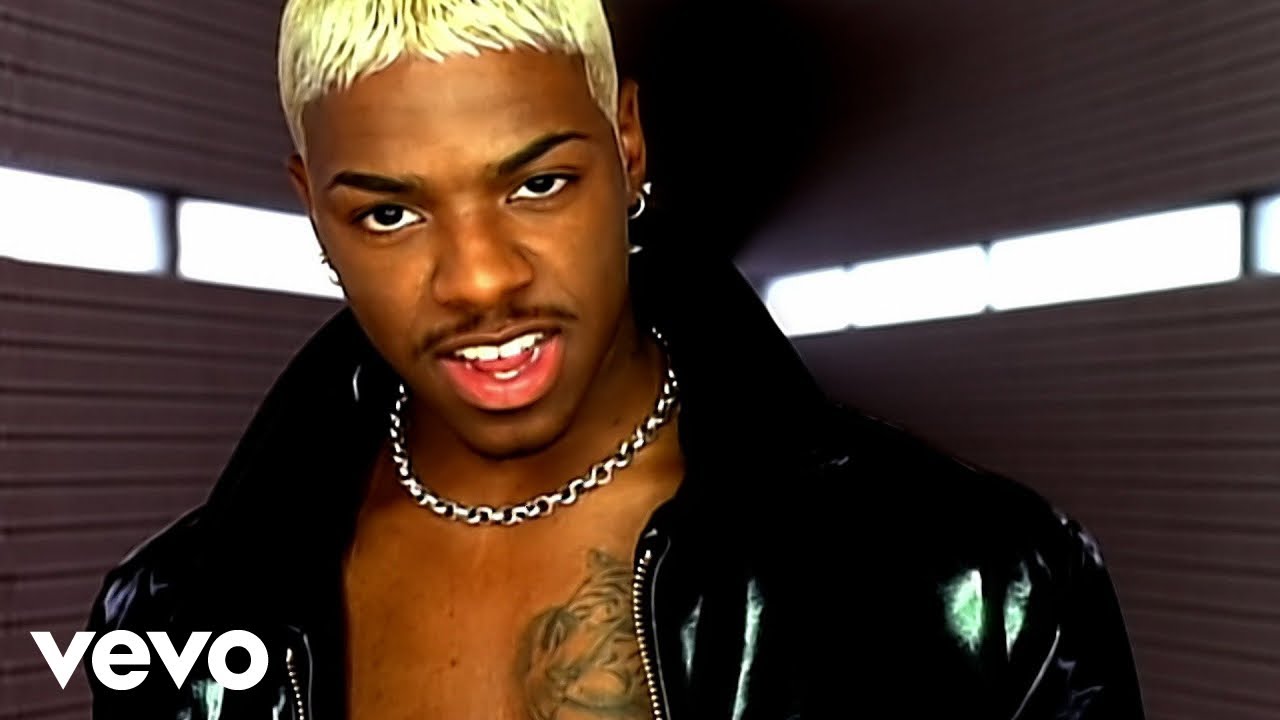
Baltimore's harmony-stacked R&B quartet — Sisqó, Nokio, Jazz, and Woody — behind late-'90s slow jams like "In My Bed" and "Never Make a Promise." Named after the city's Druid Hill Park, they were one of the defining male R&B groups of the era, right up until Sisqó's platinum-blond "Thong Song" solo fame both lifted the group and splintered it.
Buffalo bar-band punks turned the kings of the late-90s radio ballad: Johnny Rzeznik and Robby Takac spent a decade in the van before "Name" and then "Iris" made them one of the biggest acts in America — and "Iris" sat on top of the airplay chart so long it set a record that stood for over two decades.
The "na na na na naaa" that took over the world in 1994. Jamaican veteran Ini Kamoze's one perfect strike—a four-sample collage that hit #1 and never let go, even after he faded back.
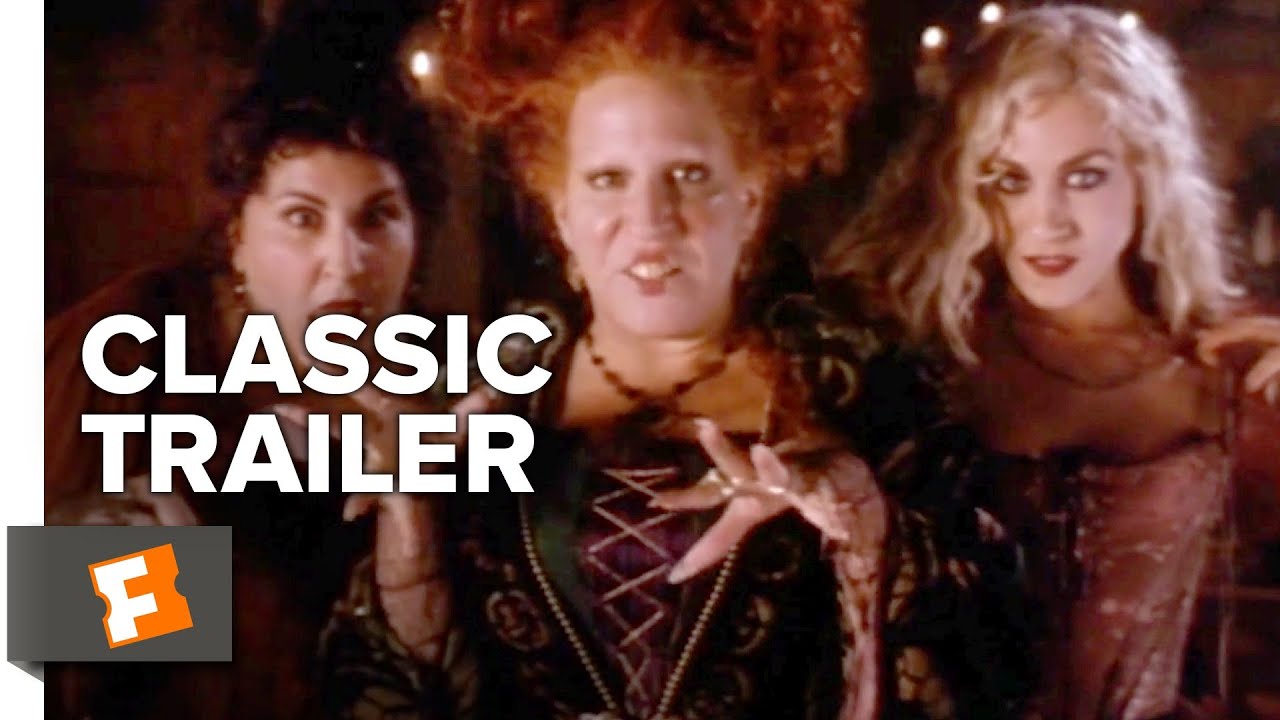
The Sanderson sisters — Bette Midler, Sarah Jessica Parker, and Kathy Najimy — resurrected in Salem on Halloween night, chasing children and belting "I Put a Spell on You." A box-office flop in 1993 that became the ultimate Halloween rewatch tradition.
The pioneering instant messenger with the green-flower icon, the random UIN number, and the unmistakable "Uh oh!" message alert. Launched in 1996, ICQ basically invented consumer IM before AIM and MSN took over.
Folk's answer to the underdog dream: Jewel went from a coal-heated Alaska homestead to living in a van in San Diego to 12× platinum. Her breakthrough Pieces of You rode a slow burn to the top, and by the late 90s she was unavoidable — poetry collections, platinum albums, two generation-defining radio ballads that felt permanent.
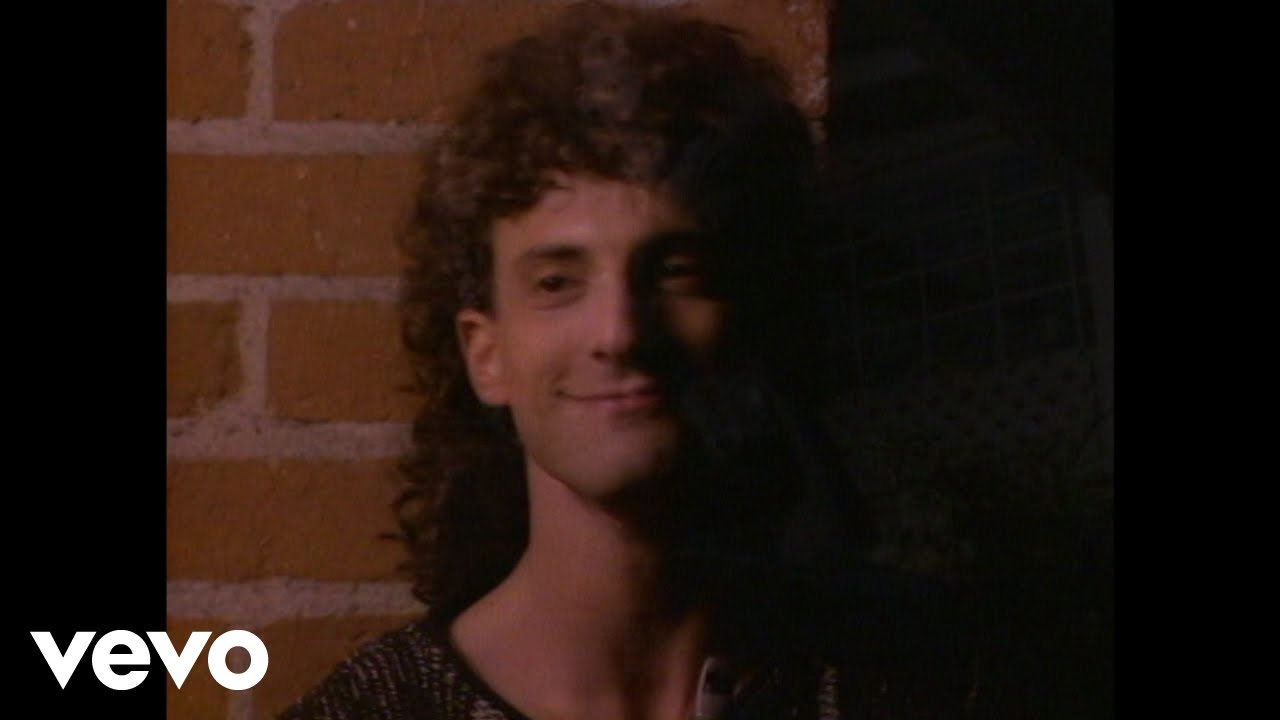
The curly-haired soprano saxophonist whose smooth jazz became the default soundtrack of the '90s — dentist offices, weddings, mall speakers, and hold music everywhere. Breathless (1992) is the best-selling instrumental album of all time, and he once held a single saxophone note for over 45 minutes straight.
The wolf-spider-named search engine with the eager black Labrador that would 'Go Get It!' One of the first search giants — briefly bigger than Yahoo — and one of the great cautionary tales of the dot-com bubble.
The hands-on-cheeks scream that launched a thousand parodies. As Kevin McCallister in Home Alone, Culkin became the most famous child star on Earth — and, briefly, the highest-paid kid in Hollywood.
Thumbnail-sized cars, playsets, and whole cities scaled down to fit in your pocket — the whole appeal was how impossibly tiny and detailed they were. Sold by a pitchman who talked so fast you could barely keep up.
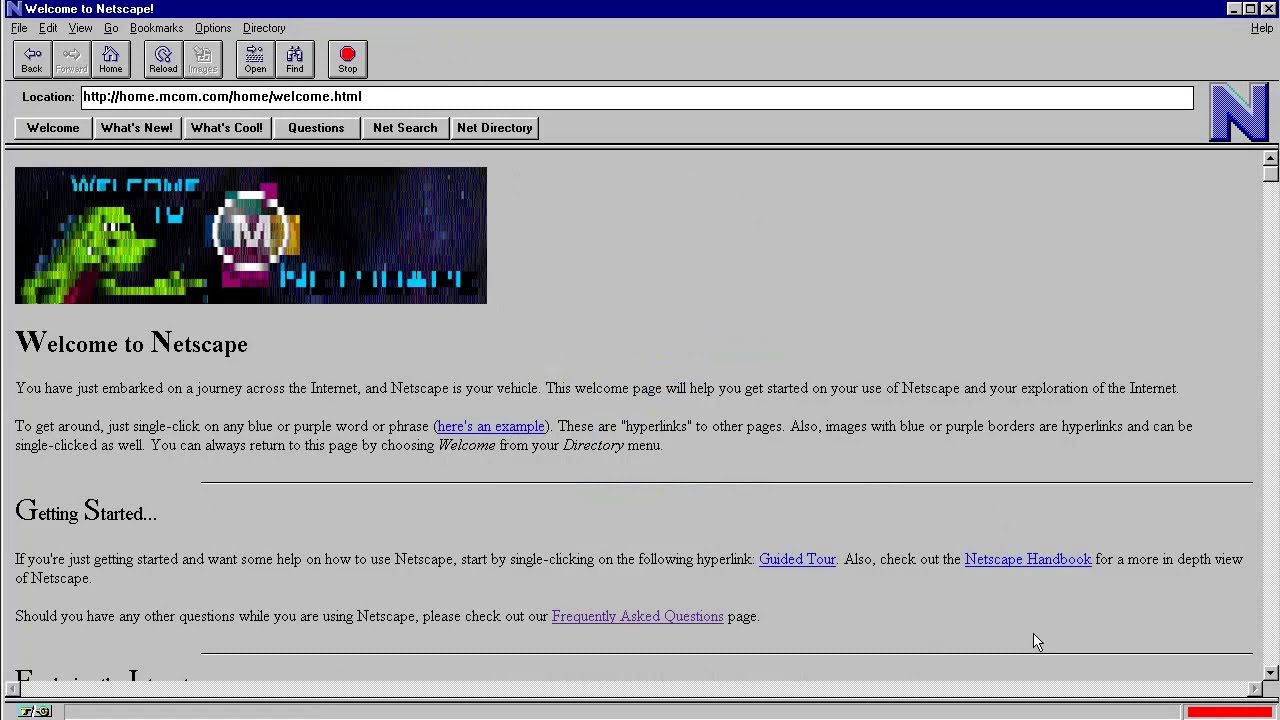
The browser with the shooting-star "N" and the throbbing loading icon that, for millions, simply was the early web. Netscape dominated the mid-1990s before losing the browser war to Microsoft's bundled Internet Explorer.
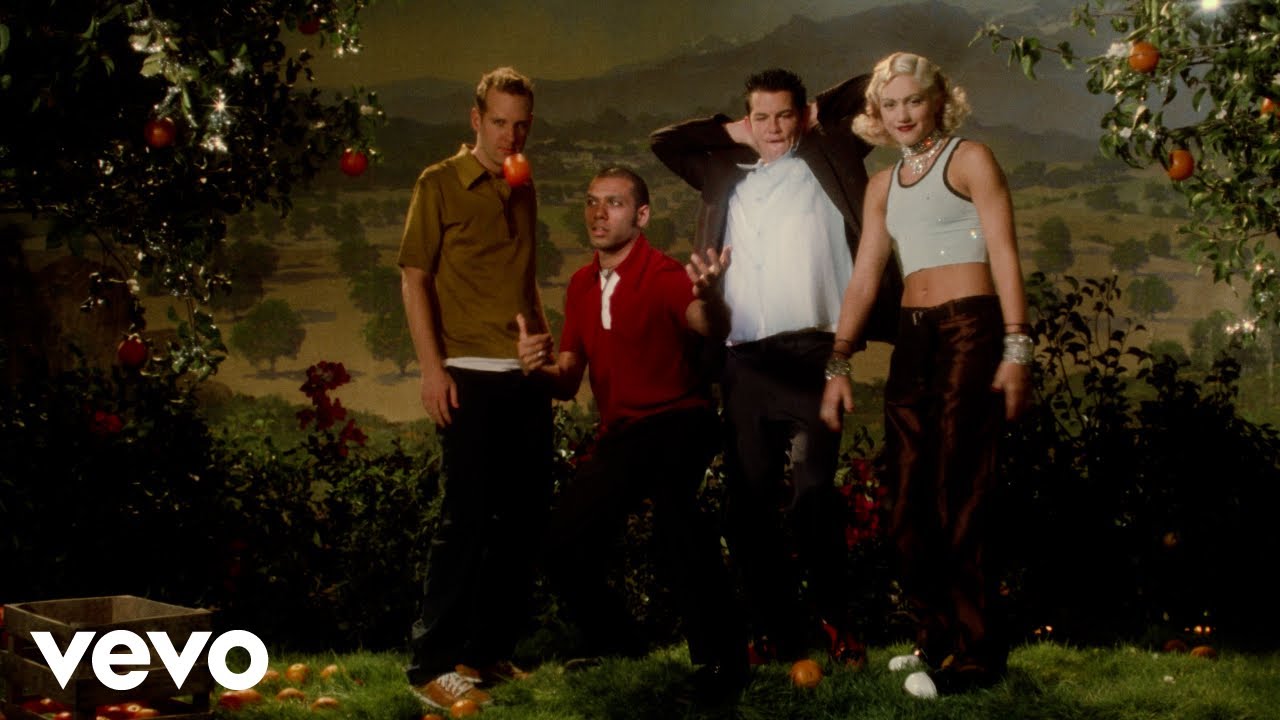
Gwen Stefani's bindi, bleached-blonde hair, and midriff on full display, fronting a bouncy ska-punk band out of Anaheim. "Just a Girl" and the aching "Don't Speak" made Tragic Kingdom one of the decade's defining albums.
"Chic-a-cherry cola"—the tongue-twister hook that introduced Savage Garden. Darren Hayes' impossibly fast verse delivery over jittery synth-pop became impossible not to remember.
An Australian pop-duo lightning strike: Savage Garden arrived in 1997 with a perfectly crafted self-titled album and didn't leave the radio for three years straight. Two studio albums, two #1 hits, 23 million copies sold — and then, in 2001, a quiet goodbye with no decline to mourn. A pop career that knew when to stop.
Ghostface's taunting phone calls — "What's your favorite scary movie?" — and a cast of teens who knew all the horror rules and died anyway. Wes Craven's self-aware slasher reinvented the genre for the Blockbuster generation.
Canadian country-pop crossover sensation in leopard print and confidence. She sold albums by the tens of millions, and for a moment the whole world was her pickup-truck ballad audience.
Michael Jordan teams with Bugs Bunny and the Looney Tunes to beat a squad of talent-stealing aliens, the Monstars. A live-action/animation hybrid with a monster soundtrack, it made the Tune Squad jersey a playground staple.
"Wannabe," Girl Power, and five color-coded personas — Baby, Scary, Sporty, Ginger, and Posh — that turned a British pop group into a global phenomenon. Their faces sold everything from lunchboxes to soft drinks, and their debut became the best-selling album ever by a female group.
A cocky little purple dragon gliding and flame-breathing through bright pastel worlds with his dragonfly sidekick Sparx. Spyro was the PlayStation's other mascot platformer alongside Crash — collect gems, free trapped dragons, charge headfirst into everything.
The fluorescent orange juice drink that tasted like the sun and lived in every 90s fridge door. The ads where kids rejected "the purple stuff" are permanently burned into your memory.
Stephan Jenkins' San Francisco hit machine: one self-titled 1997 debut that just would not stop producing singles — "Semi-Charmed Life," "Jumper," "How's It Going to Be," "Graduate" — all sunshine on the surface and something much darker underneath.
Neon-haired, jewel-bellied good-luck trolls that clipped to pencils and crowded every desk and backpack. Invented by a Danish woodcutter in the 1950s, they rode a huge second wave of popularity in the early 1990s under names like Norfin.
"I get knocked down, but I get up again — you're never gonna keep me down." The 1997 pub-and-stadium singalong that became an inescapable global anthem — sung by a band most fans never realized was a veteran British anarchist collective.
The clear, faintly citrus malt beverage Coors pushed as "Zomething different." Part of the '90s clear craze, it was briefly everywhere before late-night jokes turned it into a punchline.