Savage Garden
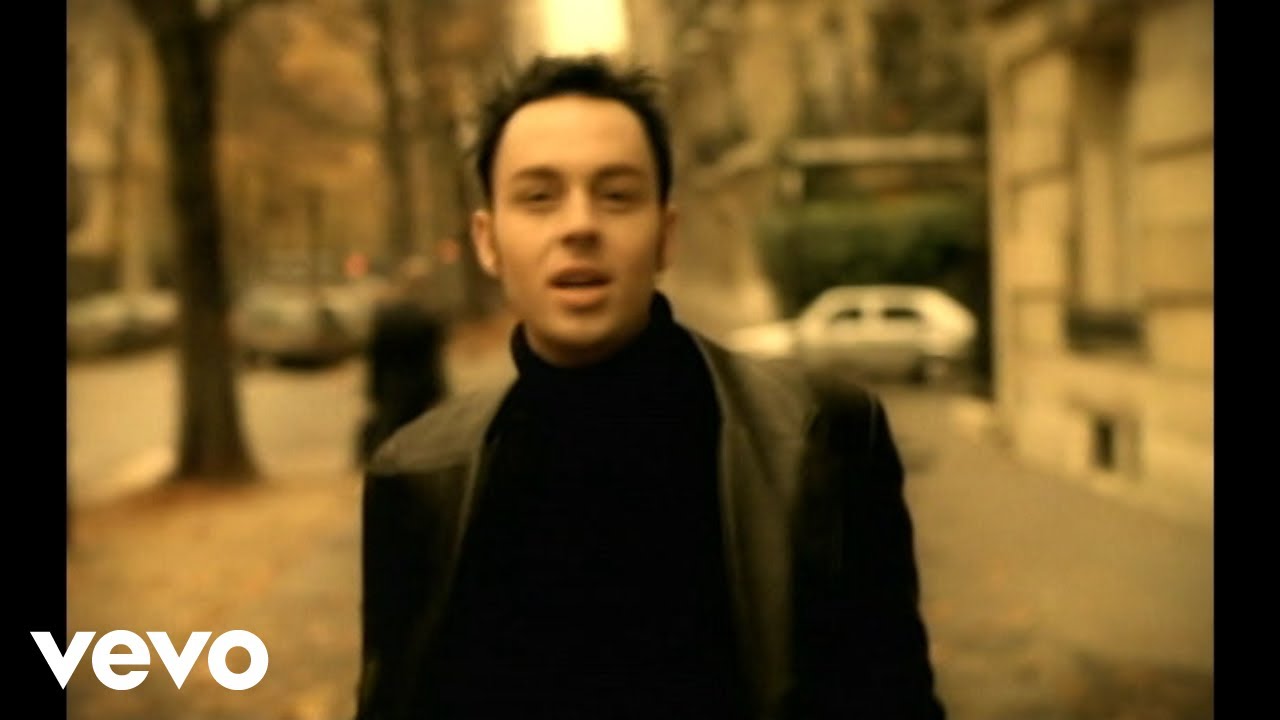
An Australian pop-duo lightning strike: Savage Garden arrived in 1997 with a perfectly crafted self-titled album and didn't leave the radio for three years straight. Two studio albums, two #1 hits, 23 million copies sold — and then, in 2001, a quiet goodbye with no decline to mourn. A pop career that knew when to stop.
In mid-1993, guitarist Daniel Jones placed an ad in Brisbane's Time Off music paper looking for musicians to join his covers outfit, Red Edge. Darren Hayes answered. By June 1994, the two had left the covers circuit to work as a duo, eventually adopting the name Savage Garden — lifted from Anne Rice's Vampire Chronicles, the phrase "Beauty was a Savage Garden" capturing the duality they were reaching for.
Their self-titled debut arrived in 1997 and absolutely dominated the Australian charts from day one, claiming the #1 spot for 19 nonconsecutive weeks and landing at #3 on the Billboard 200. In the US, it went 7× platinum. The lead single, "I Want You," hit #4 on the Hot 100, but it was the second single, "Truly Madly Deeply," that became the moment: it reached #1 in January 1998, taking the top spot from Elton John's "Candle in the Wind 1997" after its fourteen-week reign. It went on to spend a full year in the Hot 100's top 30 — a run no other one-sided single had ever managed — basically ownership of the chart.
By radio metrics, "Truly Madly Deeply" was the most-played song on American radio in 1998, inescapable in every car and waiting room. Affirmation arrived in 1999 and delivered another #1, "I Knew I Loved You," which logged an absurd 124 weeks on the Adult Contemporary chart. Together, the two studio albums pushed 23 million copies worldwide. Savage Garden had achieved the kind of complete saturation that defined late-90s pop: instant classics, flawless execution, zero cultural friction.
Then, in October 2001, came a quiet announcement with no drama, no farewell tour, no lingering decline: Darren Hayes wanted to pursue a solo career, Daniel Jones had never particularly enjoyed fame, and Savage Garden simply ended. Two albums, two #1 hits, one perfectly shaped pop career that knew exactly when to stop. That restraint — walking away at the peak — became its own kind of legacy in an industry built on desperation.
Similar items

Savage Garden — "I Want You"
"Chic-a-cherry cola"—the tongue-twister hook that introduced Savage Garden. Darren Hayes' impossibly fast verse delivery over jittery synth-pop became impossible not to remember.
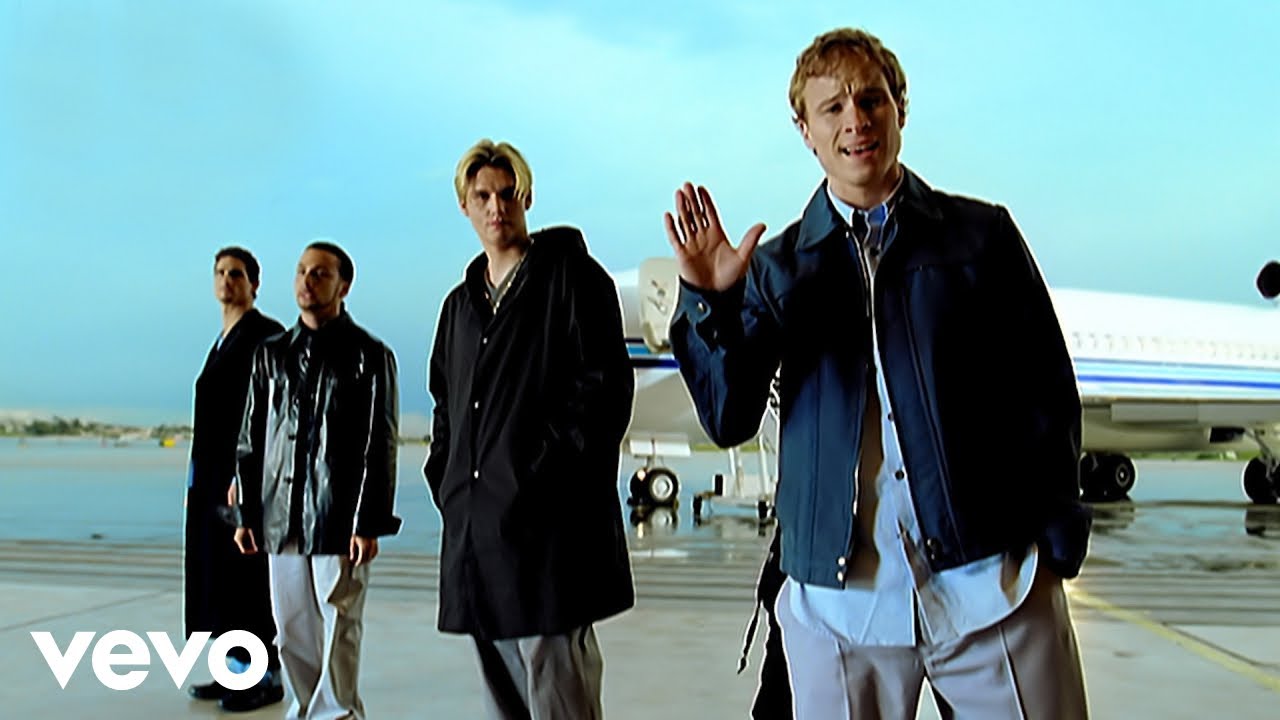
Backstreet Boys
Orlando's harmonizing five-piece formed the template for late-90s teen-pop dominance. The Backstreet Boys' matching choreography and Lou Pearlman's boy-band machinery made them a TRL staple, an arena-tour juggernaut, and the answer to every teen magazine's "Who's your favorite Backstreet Boy?" quiz.
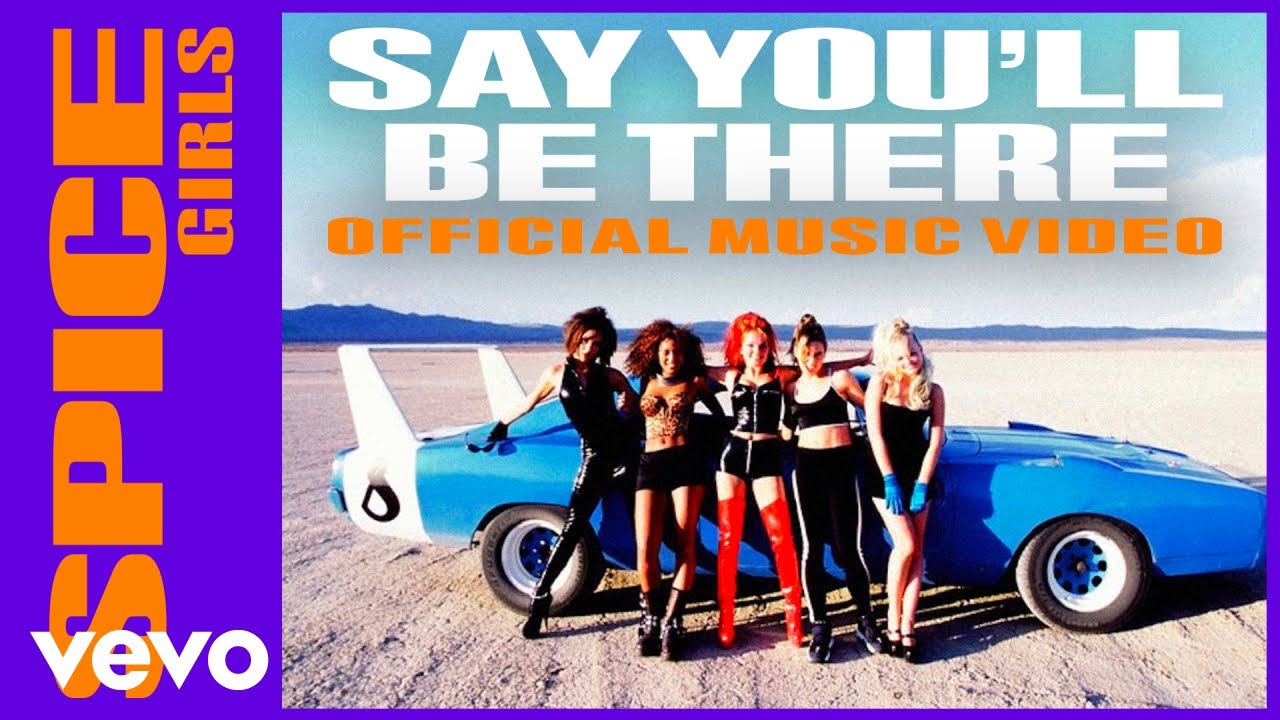
Spice Girls
"Wannabe," Girl Power, and five color-coded personas — Baby, Scary, Sporty, Ginger, and Posh — that turned a British pop group into a global phenomenon. Their faces sold everything from lunchboxes to soft drinks, and their debut became the best-selling album ever by a female group.

Adam Sandler
The SNL goofball who became a box-office machine — Billy Madison, Happy Gilmore, The Wedding Singer, The Waterboy. In the '90s his man-child comedies and shouty voices made him one of the most bankable comedians alive.