Jewel

Folk's answer to the underdog dream: Jewel went from a coal-heated Alaska homestead to living in a van in San Diego to 12× platinum. Her breakthrough Pieces of You rode a slow burn to the top, and by the late 90s she was unavoidable — poetry collections, platinum albums, two generation-defining radio ballads that felt permanent.
Raised on a family homestead near Homer, Alaska — no indoor plumbing, a coal stove for heat — Jewel Kilcher grew up as a yodeler in a musical family, performing in a father-daughter duo with her father Atz before the family moved south. After high school she chased music into vans and coffeehouse circuits, landing a regular gig at the Inner Change coffeehouse in San Diego, where she was discovered in 1993 and signed to Atlantic Records while she was still sleeping in her van.
Pieces of You dropped in 1995 — a young folk singer-songwriter with a voice built for quiet emotional devastation. Radio didn't bite immediately — this was the slow burn. But by 1996–97 it had infiltrated the airwaves in ways that felt permanent: "Who Will Save Your Soul" reached #11, then "You Were Meant for Me" and "Foolish Games" both peaked at #2, becoming the kind of inescapable 90s ballads that defined a decade. The album eventually hit #4 on the Billboard 200 and went 12× platinum, a rarity for a debut folk-adjacent record in the pop era.
By the late 90s, Jewel had become a broader cultural figure. Her 1998 poetry collection A Night Without Armor sold over a million copies and hit the New York Times bestseller list — critics were snobbish about it, but readers didn't care. Spirit (1998) debuted at #3 and sold 3.7 million copies in the US; This Way (2001) sold over 1.5 million copies. She was everywhere: radio, bookstores, award shows, the cultural conversation.
Then came June 2003 and 0304, the album that tried to reinvent her as a glossy dance-pop star. "Intuition" reached #20 and felt like a wink at selling out while doing exactly that. After this, she drifted out of pop's center — the moment had passed. But the arc remains unforgettable: van-to-platinum, poet-to-superstar, on her own terms, then exit stage left while the memory was still good.
Similar items
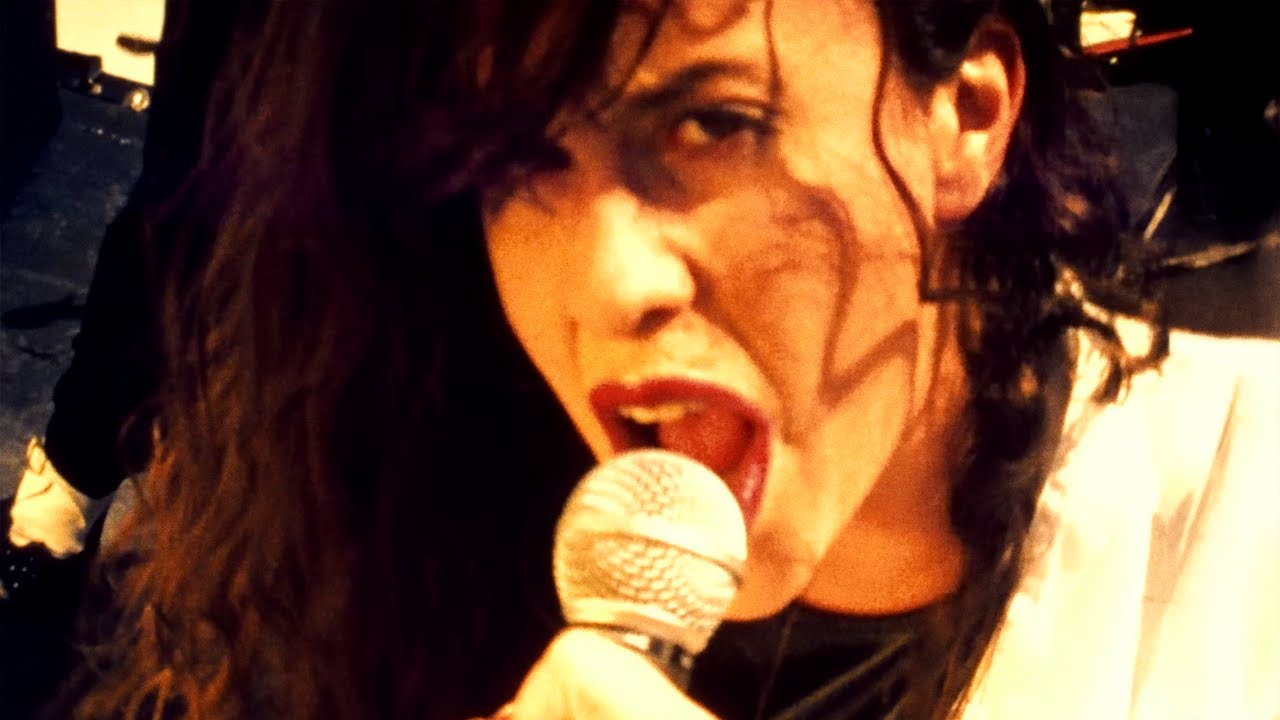
Alanis Morissette
The Canadian teen-pop star who reinvented herself as the voice of 90s female rage. Raw, oversharing, absolutely unapologetic about her feelings—she gave the decade permission to be a mess and call it art.
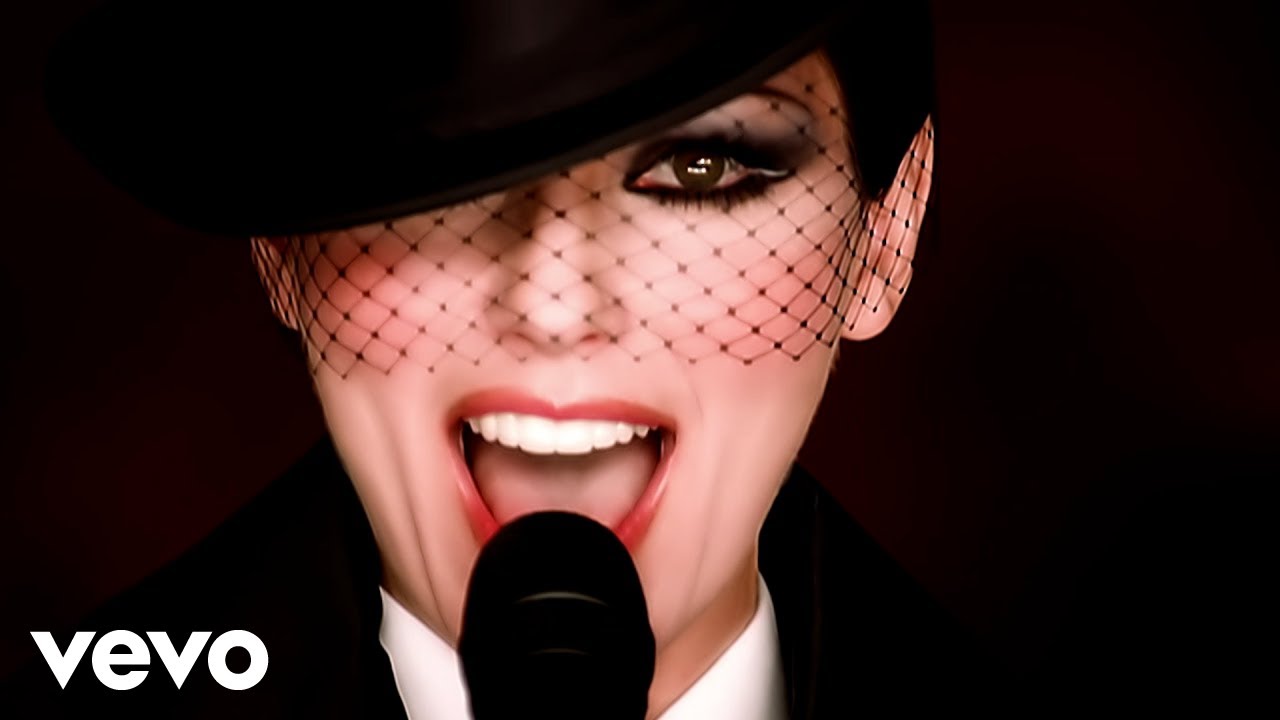
Shania Twain
Canadian country-pop crossover sensation in leopard print and confidence. She sold albums by the tens of millions, and for a moment the whole world was her pickup-truck ballad audience.

Adam Sandler
The SNL goofball who became a box-office machine — Billy Madison, Happy Gilmore, The Wedding Singer, The Waterboy. In the '90s his man-child comedies and shouty voices made him one of the most bankable comedians alive.

Blues Traveler
The jam band that actually broke through to Top 40 radio, with John Popper's lightning-fast harmonica as the most unlikely lead instrument of 1995. "Run-Around" logged a then-record 49 consecutive weeks on the Hot 100 and won a Grammy, and the Wizard of Oz video never left MTV.