Sears Wish Book
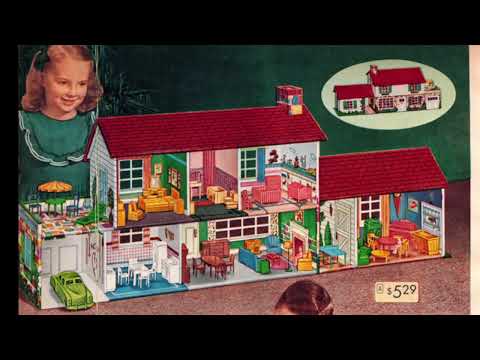
It showed up in late summer, thick as a phone book, and you went straight to the toy pages with a pen: circle, initial, dog-ear, repeat, until the list for Santa was basically the whole section. The Sears Christmas catalog had been doing this to kids since 1933 — 90s kids caught the last years of the big one, right before it started to shrink.
The first one came out in 1933, and it wasn't yet called the Wish Book. The Sears Christmas Book, by the company's own archival account, ran 87 pages, 25 of them toys, and offered a Miss Pigtails doll, a battery-powered toy automobile, a Mickey Mouse watch, Lionel electric trains, fruitcakes, a five-pound box of chocolates and live singing canaries. "Wish Book" was a nickname customers had long used for Sears's big general catalogs; after 1933 it attached itself to the Christmas edition, and in 1968 Sears made the name official. That year's book ran 605 pages, 225 of them toys. From 1934 on the covers were warm Christmas scenes — children, Santa Claus, trees.
The catalog arrived each year in August or September, which gave a kid months to work on it. The ritual barely changed across generations: go through the toy section with a pen, circle everything, add initials so there was no confusion between siblings, fold down the corners of the important pages, and leave it somewhere a parent couldn't miss. The Associated Press once described the Wish Book as a holiday treat in itself for generations of children. Sears's archivists add a gentle correction to the memory — over the years, more of its pages went to gifts for adults than to toys. Nobody circling a bike in 1991 noticed.
The end came slowly. In 1993 Sears discontinued its big general catalog in the United States, and the Wish Book began to visibly shrink. Wishbook.com launched in 1998. By 2005 the printed version had dwindled to the "Little Big Wish Book," a 2.5-by-2.5-inch mini-catalog tucked into packages and handed out at Sears Auto Centers. A fuller holiday catalog returned in 2007, but at about 100 pages against the 300-plus of earlier years, and Sears Holdings brought it back once more in 2017 at 120 pages, in print and online. North of the border, Sears Canada, whose own Wish Book dated to 1953, published its final edition in 2016.
The old editions live on as scans. Fan projects like WishbookWeb have put decades of them online, where you can page through the exact toy spreads you once marked up — still, somehow, wanting most of it.
Similar items

Toys "R" Us
The cathedral of childhood shopping. Charles Lazarus's toy superstore — the backwards "R," aisle upon aisle of Christmas lists waiting to happen, and Geoffrey the Giraffe's unmissable jingle — defined how kids experienced wanting. Then a leveraged buyout, five billion in debt, and a 2018 collapse ended the era.

The dELiA*s Catalog
It came in the mail and your afternoon was over. The teen-girl catalog you read cover to cover, dog-eared, circled, and fought your friends over — baby tees, butterfly clips, platform sandals, and girls in the photos who were never, ever smiling politely. For a lot of teenagers it was the only place the trendy clothes actually existed.

Hess Toy Trucks
Nearly every December since 1964, a new Hess truck has arrived with working lights, a fillable tank, and batteries already inside—a quietly revolutionary gesture that turned a gas-station errand into a holiday collecting ritual.

GameStop Midnight Releases
The line outside the strip mall at 11:45 PM, the pre-order receipt clutched like a ticket, the countdown, the cheer. Midnight launches at GameStop were gaming's midnight movie premiere — plus the counter where your old games became seven dollars.