
Animorphs
The Scholastic sci-fi series that hooked '90s kids on something surprisingly dark: five teens who can 'morph' into any animal to fight a secret alien invasion. The covers where a kid transformed mid-photo were the whole hook.
9 items
The Scholastic sci-fi series that hooked '90s kids on something surprisingly dark: five teens who can 'morph' into any animal to fight a secret alien invasion. The covers where a kid transformed mid-photo were the whole hook.
![Video thumbnail — The Chronicles Of Narnia: The Lion, The Witch And The Wardrobe - Official® Trailer [HD]](https://i.ytimg.com/vi/cNuoUKDbX_4/maxresdefault.jpg)
C.S. Lewis's seven-book fantasy series that opened via a wardrobe and stayed in your head for decades. For 90s and 2000s kids, Narnia lived in classroom read-alouds, Scholastic box sets, and library paperbacks with that iconic cover art — the White Witch, Turkish delight, and Aslan waiting inside.
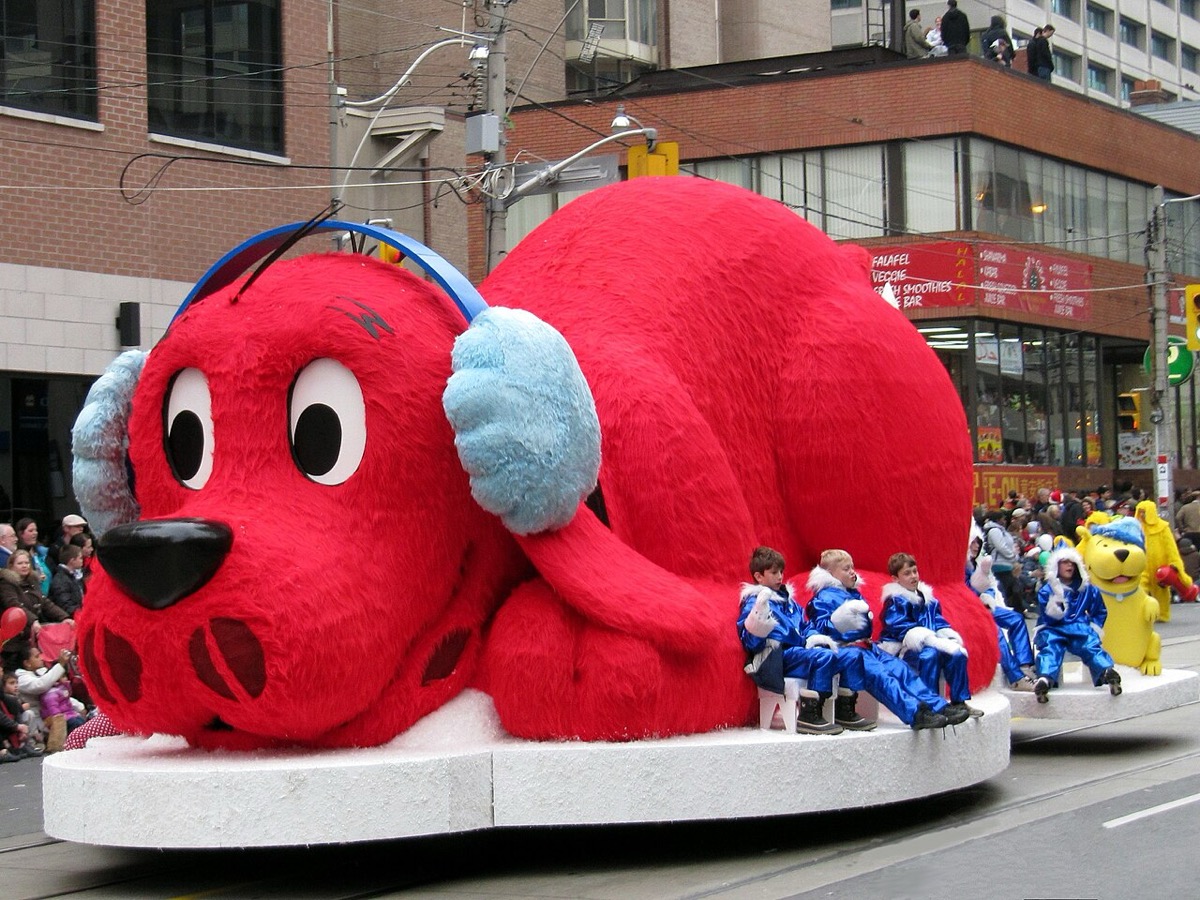
Norman Bridwell's enormous red dog and Emily Elizabeth, the girl who loved him — a 1963 picture book that Scholastic never stopped handing to schoolchildren, and whose star became the company's official mascot. He was very nearly named Tiny.

R.L. Stine's mass-produced horror series for kids, where every book's drippy cover could stop your heart in the school library. Goosebumps sold roughly 4 million copies a month at its mid-90s peak and by 1996 accounted for nearly 15% of Scholastic's entire revenue.
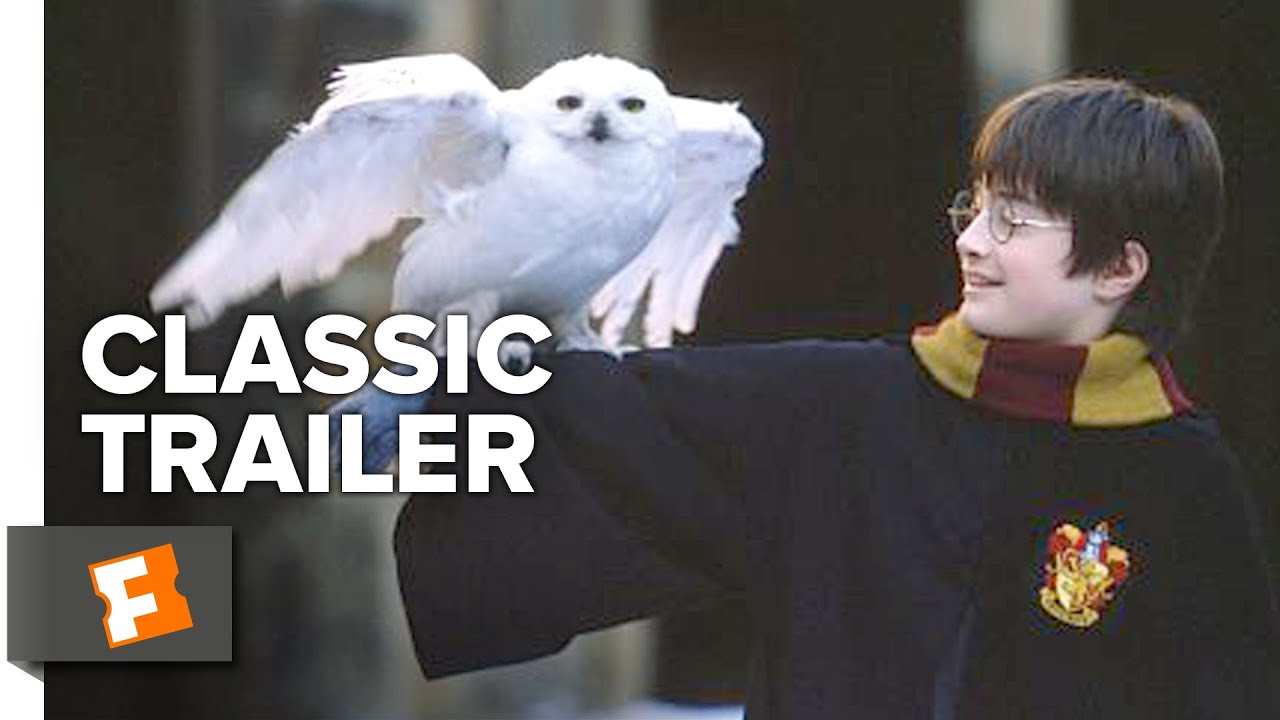
J.K. Rowling's magical phenomenon launched June 1997 in the UK as Harry Potter and the Philosopher's Stone (Sorcerer's Stone in the US). Three books released before the decade ended; by 1999 the series topped global bestseller lists and sparked a franchise that never stopped—within a year, midnight release parties were a cultural tradition.

The monthly newsprint order form that landed on your desk — a tabloid catalog of paperbacks you circled with a stubby pencil, then begged your parents to fund. Ordering meant handing your teacher the torn-off form and some crumpled bills; the payoff was delivery day, when a stack of new books arrived with your name on it.

The ritual: your school gym transforms overnight into a pop-up bookstore of rolling display cases, and you wander the aisles with a wish list and a budget. Scholastic Book Fairs dominated the 90s market, though what kids actually bought — glittery gel pens, novelty pencils, poster books — often had nothing to do with the Goosebumps stacks they wandered past.

The Baby-Sitters Club was the series you grabbed by the stack at the book fair — one wasn't enough, you needed the whole shelf about Kristy and Mary Anne and Claudia running a babysitting business out of a Connecticut suburb. More than 190 million copies sold. That's not an exaggeration; that's a cultural fact.

Ms. Frizzle's class rode the Magic School Bus into the bloodstream, through outer space, and into a volcano—all while learning science in four seasons of PBS's most unforgettable animated series. Lily Tomlin's fearless teacher and Bruce Degen's original illustrations made learning an adventure, and every kid left knowing 'Take chances, make mistakes, get messy!'