Math Blaster

The space shooter your parents wanted you to play: math problems zip across the screen, you fire the cannon at the correct answer, and somehow you're drilling fractions without noticing. Every 90s school computer lab had it, and every kid who touched it felt like an arcade ace instead of a student.
Math Blaster came out of Davidson & Associates, the company founded by former educator Jan Davidson, who saw that drill-and-practice software didn't have to feel like punishment. The original Math Blaster! released in 1983, and the formula was simple genius: arcade-style cannon fire welded onto arithmetic, covering everything from addition up through fractions, percentages, and decimals. Updated editions kept pace with the hardware — Math Blaster Plus! in 1987, New Math Blaster Plus! in 1990 — but it was the full 1993 redesign, Math Blaster Episode I: In Search of Spot, followed by Mega Math Blaster in 1996, that met the generation who'd remember it forever.
That's because the 90s were when the game became infrastructure. Elementary-school computer labs ran it as a standing station; parents bought it for the family PC as the approved counterweight to whatever you actually wanted to play. The trick worked in both directions — teachers got their drills, and kids got to blast space trash. The franchise became the best-selling math software in history, spawning spin-offs and sequels across subjects.
By the decade's end it read as old-fashioned next to 3D games and the internet's infinite distractions, and Math Blaster settled into its final identity: the game you played at school, not the one you begged for at home. But the muscle memory is real — an entire generation learned times tables with a trigger finger.
Similar items
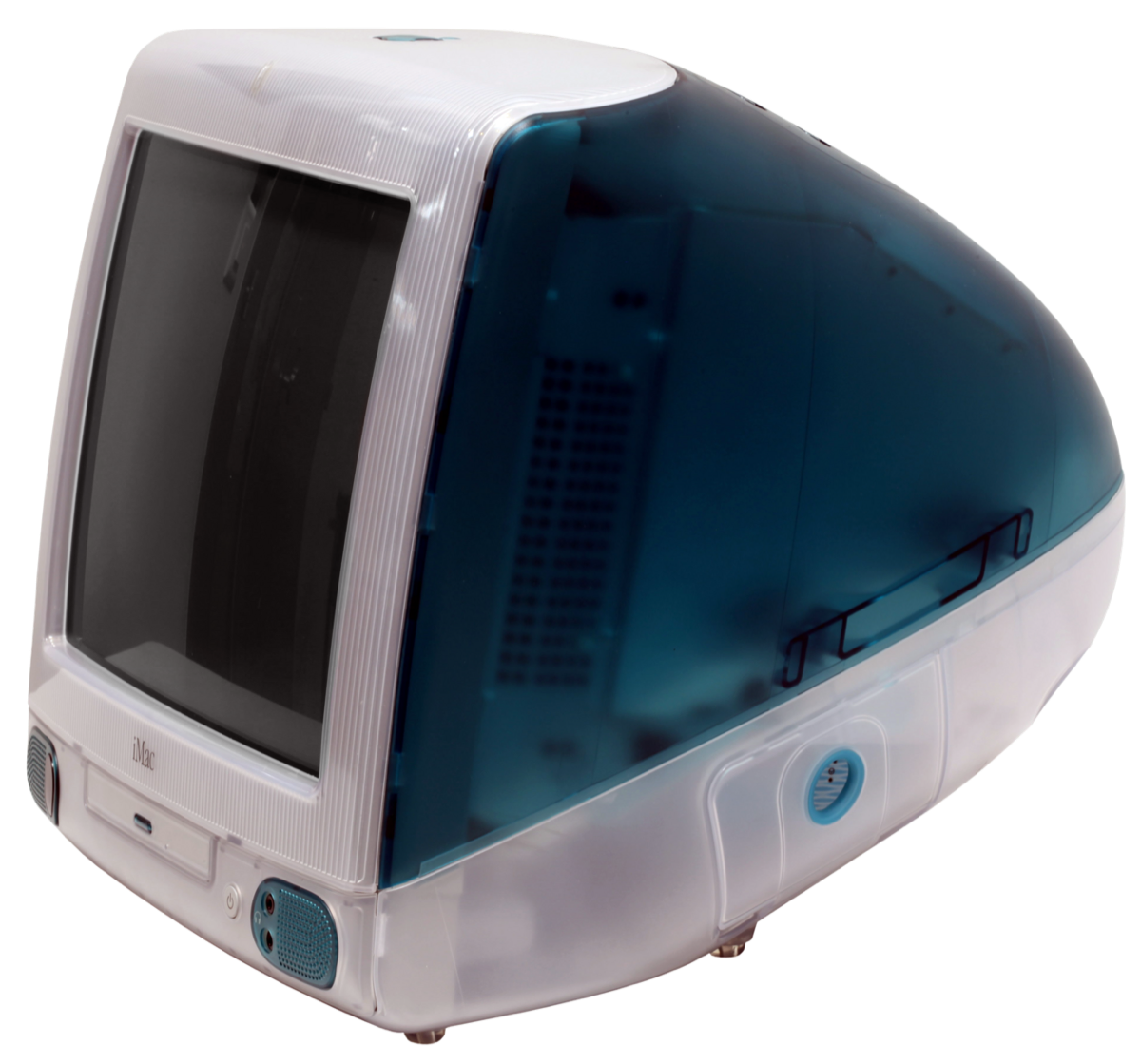
Computer Lab
The weekly pilgrimage down the hall to the room full of beige Apple computers, where you'd slot in a floppy disk, wait, and take turns dying of dysentery on the Oregon Trail. "Computer Day" was equal parts educational software and the first place a lot of kids ever touched a keyboard.

Super Solvers: Gizmos & Gadgets!
Race against Morty Maxwell to build faster vehicles by solving science puzzles and outsmarting Cyber Chimps. This Learning Company edutainment staple disguised lessons about simple machines and magnetism as competitive car-building challenges.
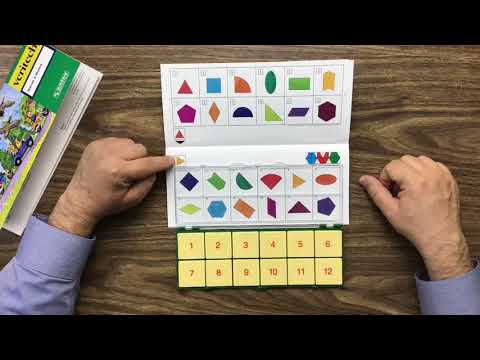
Mini Veritech
A self-checking tile puzzle: twelve numbered tiles in a clear plastic case, each with a fragment of a geometric pattern on the back. You worked through a workbook puzzle, placed each numbered tile on its answer, then flipped the case closed — if the pattern matched what was printed in the book, every answer was right. The game told you before the teacher could.

The Oregon Trail
The computer-lab game that taught westward expansion through dysentery and desperation. Every 90s kid named their wagon party after friends, overhunted buffalo, gambled on river crossings, and died of unexpected causes while technically learning American history.