"It's Been Awhile"

The post-grunge confession that owned rock radio in 2001: Aaron Lewis's slow-burning inventory of a wasted year, a then-record sixteen weeks atop the Modern Rock chart, and a Fred Durst-directed video that ends with a dropped cigarette burning the apartment down. It carried Staind from Springfield, Massachusetts clubs to a number-one album.
Staind came together in Springfield, Massachusetts, in 1995, after singer Aaron Lewis and guitarist Mike Mushok met at a Christmas party two years earlier. With bassist Johnny April and drummer Jon Wysocki they self-released an album, Tormented, in 1996. In October 1997 they landed an opening slot for Limp Bizkit, and Fred Durst, appalled by Tormented's cover art and convinced they were Satanists, tried to throw them off the bill. Once he saw them play he signed them to his Flip Records label. Their major-label debut Dysfunction, co-produced by Durst and Terry Date, arrived in April 1999, and on that fall's Family Values Tour Lewis sang an early version of "Outside" with Durst at the Mississippi Coast Coliseum.
Lewis had written "It's Been Awhile" back around 1996, alongside "Outside," and played it with a short-lived acoustic side project called J-CAT before shelving it. It resurfaced during the 2000 sessions for Break the Cycle and went out as the lead single on March 27, 2001. By October it sat at number five on the Hot 100, the band's biggest pop hit, and it held number one on the Modern Rock chart for sixteen weeks, then a record, alongside a long run atop Mainstream Rock. It is certified eight times platinum.
Durst directed the video, which premiered on TRL on April 13, 2001: Lewis sorting old photographs and writing a letter to his wife, the band playing in a room full of candles, and a cigarette that falls to the floor and burns his apartment to the ground. Break the Cycle followed on May 8 and debuted at number one with 716,000 copies in its first week, the second-biggest opening of 2001 behind Creed's Weathered. "Fade," "Outside," "For You" and "Epiphany" kept it on the radio, and it went on to five times platinum in the US and seven million copies worldwide.
The next two albums, 14 Shades of Grey and Chapter V, also debuted at number one, and WMMR's Anne Erickson later called Staind "one of the defining bands of the post-grunge movement." Lewis drifted toward a solo country career, the band took a hiatus in 2012, and it returned with Confessions of the Fallen in 2023.
Similar items

Limp Bizkit
The Jacksonville metal band that defined nu-metal's MTV dominance. Fred Durst's backwards red Yankees cap and Wes Borland's shock-value body paint made them impossible to ignore. They broke through with a cover of George Michael's "Faith" reimagined as down-tuned metal. They became the sound of late-90s TRL, then evaporated just as fast.
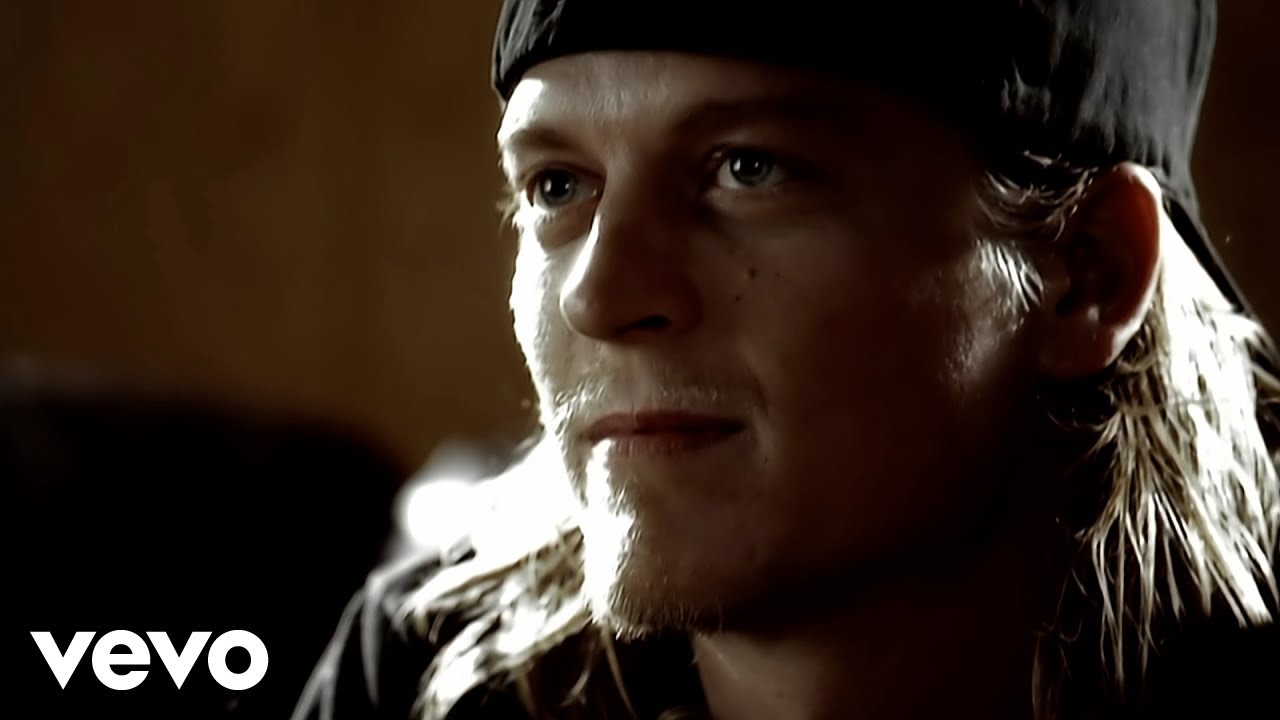
"Blurry"
Wes Scantlin, alone in a Hollywood Boulevard hotel room and missing his son, reworked an old Kansas City song into "Blurry." Fred Durst's label had signed him and replaced his entire band; the result was 2002's biggest rock song in America, number five on the Hot 100, with a video of Wes watching his boy get driven away.
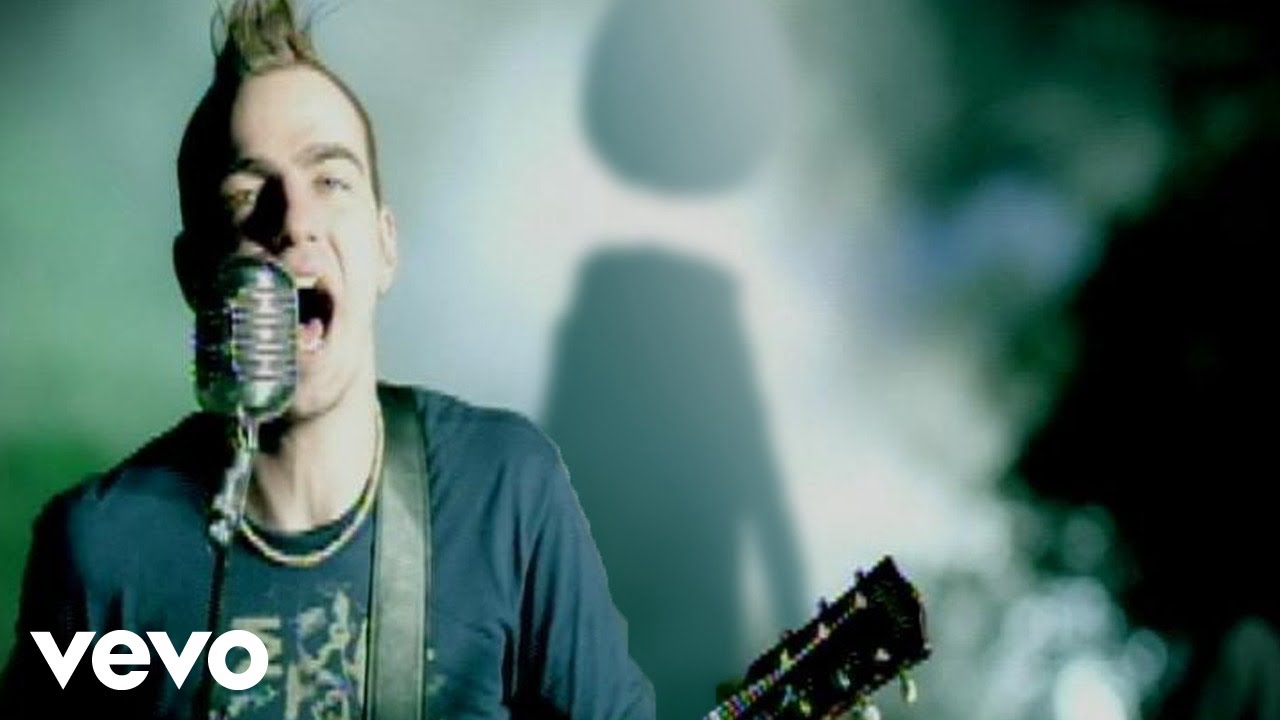
Three Days Grace
Three guys from Norwood, Ontario whose demo of "I Hate Everything About You" got them a Jive deal and then never left rock radio: 45 weeks on the Modern Rock chart, nine-times platinum, a billion Spotify streams. Three Days Grace turned Adam Gontier's rehab notebooks into One-X and became the angst band of every mid-2000s locker.
"Chop Suey!" by System of a Down
A nu-metal song too weird for the genre, with a suicide reference chopped into its very title. 'Chop Suey!' landed on Clear Channel's post-9/11 list of songs radio was told to avoid — and became the defining track of every Kazaa queue and school-bus headphone share anyway.