Gran Turismo

The Real Driving Simulator — and it meant it. Gran Turismo made PS1 owners grind license tests, obsess over gear ratios, and fall in love with a used Nissan they tuned into a monster. Suddenly a racing game wasn't about power-ups; it was about the cars.
Kazunori Yamauchi started work on Gran Turismo in the second half of 1992, and it consumed five years — with a team of only seven to fifteen people at any given time and a $5 million budget. Yamauchi later said he was home only about four days a year during development: 'I would wake up at work, go to sleep at work.' The obsession shipped in Japan on December 23, 1997 and reached North America on May 12, 1998, wearing a tagline that doubled as a mission statement: The Real Driving Simulator.
What made it revolutionary wasn't just the physics or the graphics, though both embarrassed every other racer on the console. It was the premise: a garage full of ordinary production cars from Nissan, Toyota, Honda, Mitsubishi, and Mazda alongside the exotics — and a career mode that made you earn them. You took license tests that failed you for clipping a cone. You bought a cheap used car, raced for prize money, and poured it into weight reduction and turbo upgrades. For a generation of players, Gran Turismo was the first game that made car culture itself the fantasy.
It became a phenomenon: over a million copies in its first month in Japan, and 10.85 million shipped worldwide, making it the best-selling PlayStation game ever. In the US it was 1998's third-best-selling game behind GoldenEye 007 and Ocarina of Time; its 95% GameRankings average stood as the highest of any racing game. The series it launched became PlayStation's flagship, spawning more than ten sequels and spin-offs — but the muscle memory belongs to the original: one more license test, one more tune, one more lap.
Similar items
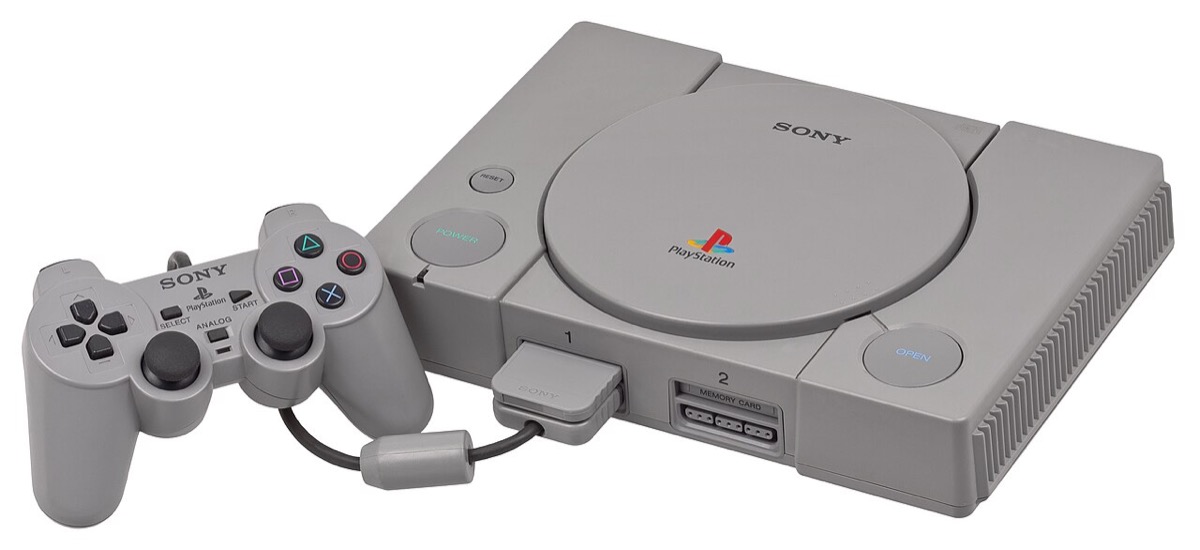
PlayStation
The grey box that took gaming off the cartridge and onto the CD — and took it away from Nintendo and Sega while it was at it. Sony's first console arrived in Japan at the end of 1994 and in America the following September, and it made a generation fluent in memory cards, load screens, and demo discs. It started as a Nintendo project that Nintendo walked away from.

Tekken
Four buttons, one per limb, and a family that settles everything with an Iron Fist tournament. Namco's 3D fighter went from the arcade to every PlayStation household, and Tekken 3 — with King, Paul, and a thousand sibling grudge matches — became the fighting game of the late '90s.

Crash Bandicoot
The spinning, crate-smashing marsupial who became the PlayStation's unofficial mascot and Mario's cheeky rival. Naughty Dog's 1996 platformer sent Crash bouncing through jungle levels and dodging boulders — and defined a generation's PS1 afternoons.
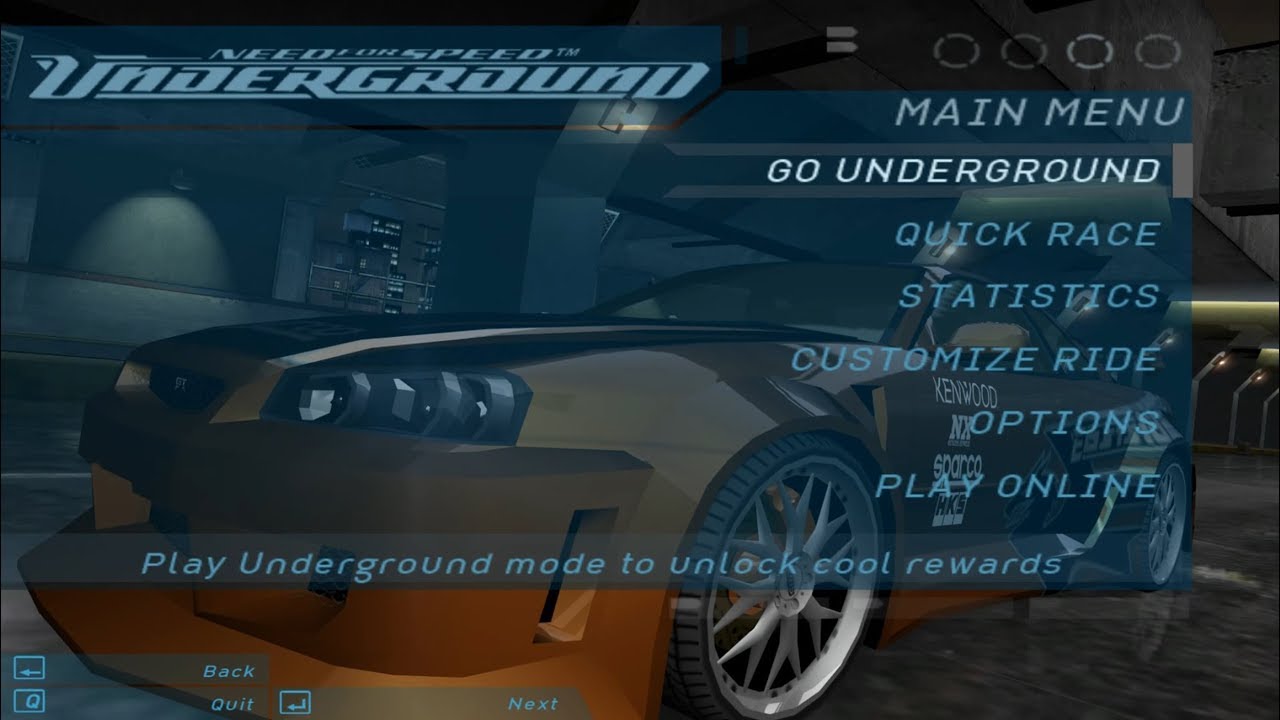
Need for Speed: Underground
The reboot that ditched exotic supercars for neon-lit tuner street racing — body kits, underglow, and a spoiler you could see from space. Every 2003 sleepover had a souped-up Civic saved on the memory card.