"Far Behind" — Candlebox

The slow-burn Seattle ballad that hit number 18 on the Hot 100 in 1994, and a song Kevin Martin wrote for Andrew Wood of Mother Love Bone, dead of a heroin overdose in 1990, years before most of the country heard it.
Candlebox formed in Seattle in November 1990, singer Kevin Martin, guitarist Peter Klett, bassist Bardi Martin and drummer Scott Mercado, and took their name from a lyric in Midnight Oil's "Tin Legs and Tin Mines." They were playing the city's clubs by 1992, signed to Maverick, and released a self-titled debut on July 20, 1993. "Far Behind" was its third single, released on August 22, 1994, and it became the band's biggest song: number 18 on the Billboard Hot 100, their highest position and their last visit to that chart, plus number 4 on Album Rock Tracks and number 7 on Modern Rock Tracks.
Martin wrote it for Andrew Wood, the Mother Love Bone singer who died of a heroin overdose in 1990. "I wrote 'Far Behind' for Andy Wood," he said in 2008. "I was a huge Malfunkshun fan and a huge Mother Love Bone fan and I got to know Andy early on in his career when I was working in a shoe store with Susan Silver who was managing Mother Love Bone, Soundgarden, and Alice in Chains." In an earlier interview he described it as being about two friends lost to heroin and "the loss of love between friends and having to be left with the feeling of emptiness."
The video, directed by Nick Egan, was shot in a house near Seattle's Green Lake and at a since-demolished farm in Renton, with a man splashing red paint across white walls and the lyrics scrawled on them, and it aired heavily on MTV. That year the band played Woodstock '94, opened for Rush and Metallica, and watched the album go on to more than four million copies. The follow-up, Lucy, went gold in 1995 and marked the start of the slide; unhappy with their Maverick contract, they broke up in 2000 and reunited in 2006. Thirty years after its release, in 2024, "Far Behind" climbed to number 3 on Billboard's Hard Rock Digital Song Sales chart.
Similar items
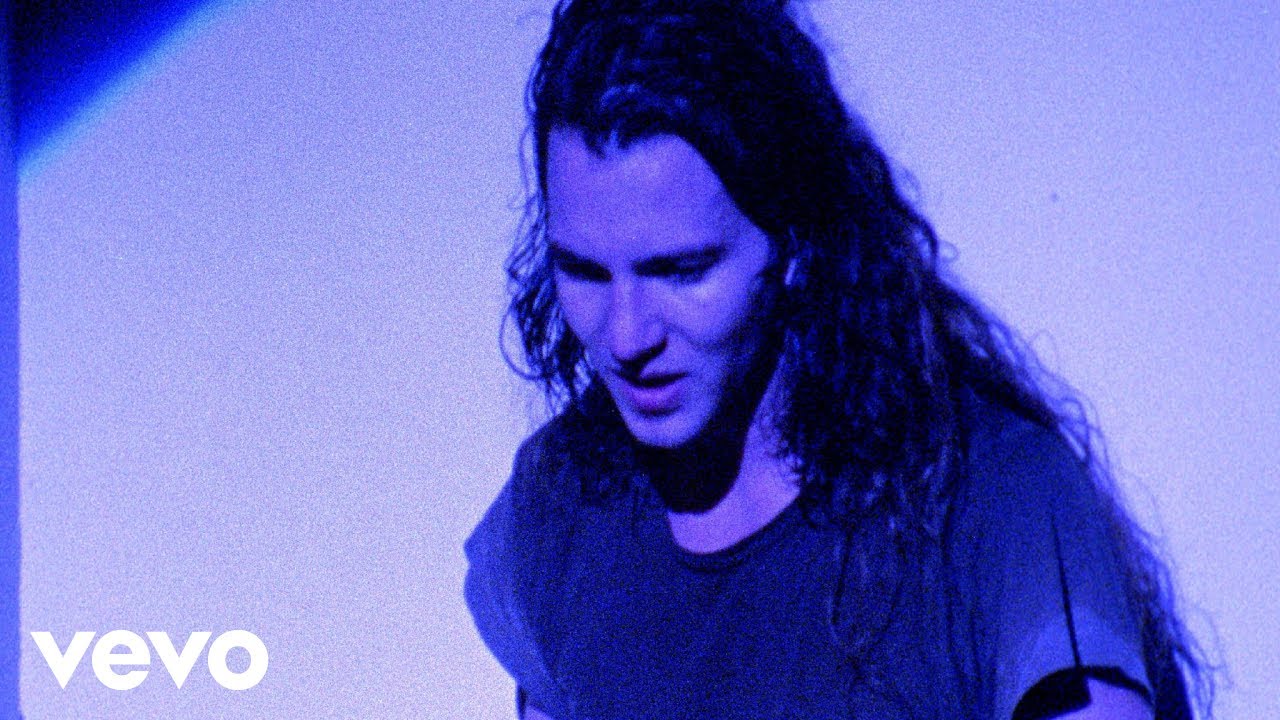
Pearl Jam
Seattle's other grunge titans: Eddie Vedder's baritone over the anthems of Ten, then a career spent actively refusing rock stardom — no more music videos, few interviews, and a one-band war against Ticketmaster.

Soundgarden
Seattle's heaviest export: Chris Cornell's wail over Kim Thayil's detuned riffs, years before anyone said "grunge." Soundgarden signed to a major label first, hit number one with Superunknown in 1994, and turned "Black Hole Sun" into the melting-suburbia video every 90s kid remembers.
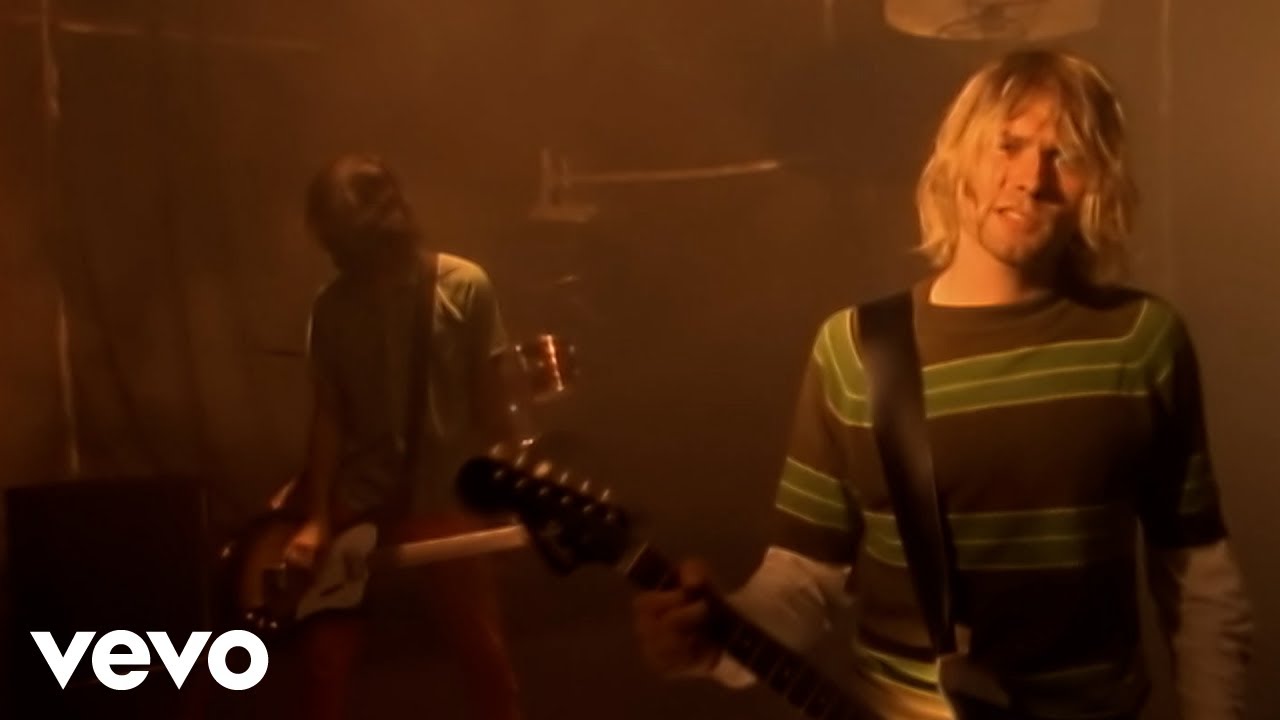
Nirvana
Kurt Cobain, Krist Novoselic, and Dave Grohl didn't invent grunge—but their 1991 album Nevermind accidentally blew it up worldwide, displacing Michael Jackson from #1 and making flannel shirts and angst the uniform of the decade.

"Flagpole Sitta" — Harvey Danger
"I'm not sick but I'm not well": a college-newspaper band's answer to the Seattle scene, from a group weighing whether to quit when one DJ started playing it. Rolling Stone later called it the best song of 1998.