"Flagpole Sitta" — Harvey Danger
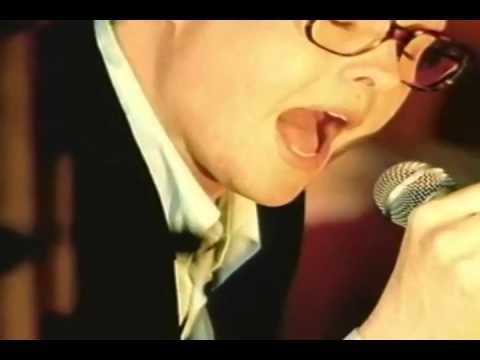
"I'm not sick but I'm not well": a college-newspaper band's answer to the Seattle scene, from a group weighing whether to quit when one DJ started playing it. Rolling Stone later called it the best song of 1998.
Harvey Danger began in 1992 with Aaron Huffman and Jeff J. Lin, University of Washington classmates and student journalists on the campus paper, The Daily, and took the band's name from a phrase graffitied on the newspaper office wall. In 1993 they added Evan Sult on drums, despite his having no drumming experience, and Sult brought along his classmate Sean Nelson to sing. They recorded "Flagpole Sitta" with the producer John Goodmanson in June 1996 in Seattle, and according to Sult it was written as a response to the 1990s Seattle music scene and what it had done to mainstream culture. The title came from a line in the Marx Brothers' Animal Crackers about the 1920s fad of pole sitting; the spelling came from Pavement's "Fame Throwa" and N.W.A's Straight Outta Compton.
The album, Where Have All the Merrymakers Gone?, came out on July 29, 1997 on the small Arena Rock Recording Company, did well on college radio and then stalled. By late 1997 the band was contemplating breaking up. Shortly before they took January 1998 off to decide, Nelson gave a copy to Marco Collins, a DJ at Seattle's KNDD, and within weeks "Flagpole Sitta" was the station's most-requested song. KROQ in Los Angeles picked it up, the band signed with Slash, a London Records subsidiary, and the reissued album and the single went out in April 1998. It reached number three on Billboard's Modern Rock Tracks and number 38 on the Hot 100 Airplay chart, the video went into heavy rotation on MTV and VH1, the album went gold in 1999, and the song scored the trailers for Disturbing Behavior and turned up in American Pie, though not on its retail soundtrack.
The band grew uncomfortable being known for one song. Their second album, King James Version, came out in 2000 after a year lost to label mergers and sold poorly, and they split in 2001, re-formed in 2004, gave away their third album as a free BitTorrent download in 2005, and disbanded for good in 2009. The song kept going without them. It became the theme of the British sitcom Peep Show from its second series on — "the only pop culture item the song has been associated with that feels like a kindred spirit to the original attitude of the lyric," Nelson said in 2008 — and Rolling Stone ranked it the 25th-best song of the 1990s and the best song of 1998.
Similar items

American Pie
The teen comedy that launched a thousand locker-room chants and made 'MILF' a dinner-table word—whether your parents were ready or not. A crew of high schoolers make a pact, and the resulting chaos defined the 2000s comedy formula. You either rented this VHS or pretended you didn't watch it on cable.
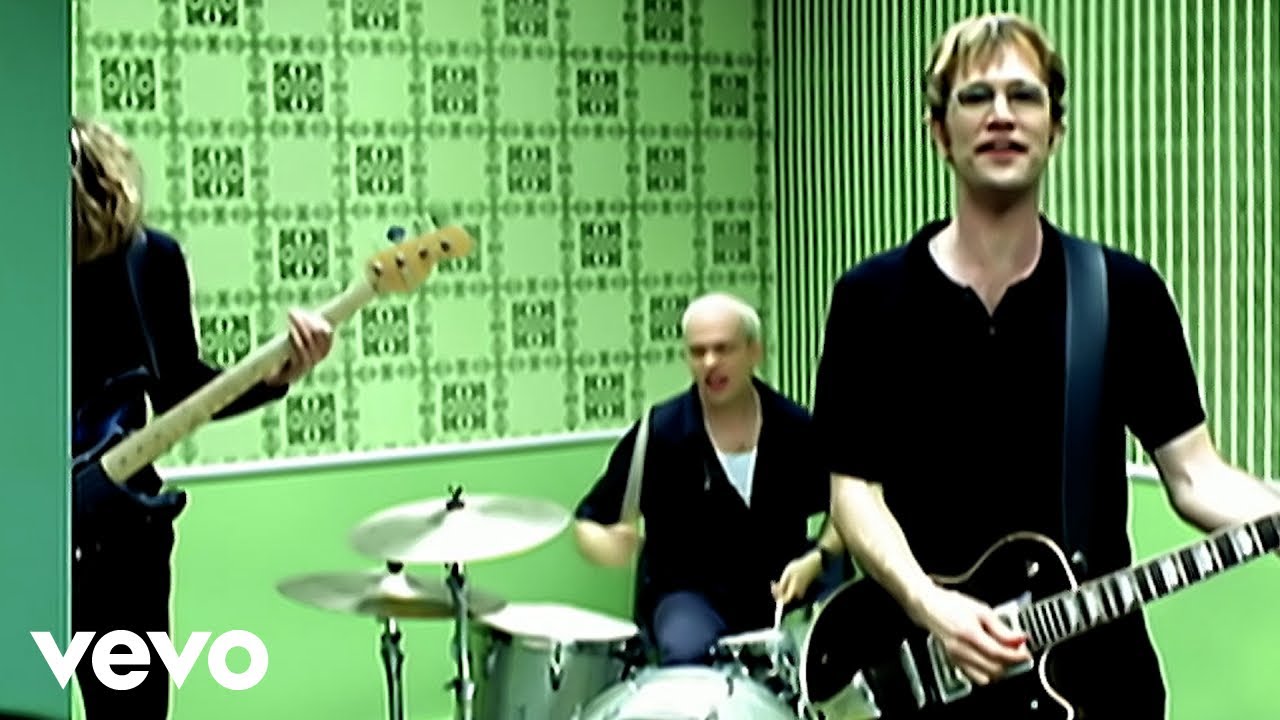
"Closing Time"
Dan Wilson wrote "Closing Time" so Semisonic would have something new to end their shows with, and realized partway through that it was also about the baby his girlfriend was carrying. It topped the modern rock chart in 1998, earned a Grammy nomination, and became the song radio stations play right before they change formats.

Third Eye Blind
Stephan Jenkins' San Francisco hit machine: one self-titled 1997 debut that just would not stop producing singles — "Semi-Charmed Life," "Jumper," "How's It Going to Be," "Graduate" — all sunshine on the surface and something much darker underneath.

Chumbawamba — Tubthumping
"I get knocked down, but I get up again — you're never gonna keep me down." The 1997 pub-and-stadium singalong that became an inescapable global anthem — sung by a band most fans never realized was a veteran British anarchist collective.