FAIL Blog

A photo of a crooked staircase, a sign with a misspelled word, a skateboarder meeting a handrail, each stamped with one word: FAIL. Launched in January 2008 and bought by the lolcats company that spring, FAIL Blog turned a one-word caption into a noun the whole internet used.
FAIL Blog launched in January 2008 with the simplest format on the web: a photo or short video of something going wrong, captioned "FAIL," "epic fail," or "[activity]: you're doin' it wrong." Within months it caught the eye of Ben Huh, the journalist-turned-entrepreneur whose Pet Holdings had bought I Can Has Cheezburger? in 2007, and Huh bought FAIL Blog from its founder that April. It went from nothing to 10 million page views a month in about 90 days and spun off siblings: Failbook for Facebook screenshots, There, I Fixed It for jury-rigged repairs, Ugliest Tattoos.
Then the economy cooperated. Huh liked to say the site "really started to take off when the financial industry decided to — ahem — fail," and at a Senate hearing in September 2008 a demonstrator held a "FAIL" sign up behind Treasury Secretary Henry Paulson and Fed chairman Ben Bernanke. The word escaped the site: Time credited FAIL Blog with helping make "fail" a noun and an exclamation, The Huffington Post would later call Netflix "a walking failblog" over its 2011 price hike, and by January 2010 the site had 1.1 million unique visitors a month. It won two People's Voice Webby Awards in 2009, in Humor and in Weird, and the same year drew a legal threat from Guinness World Records after posting a screenshot of the record page for "Most Individuals Killed in a Terrorist Attack," complete with its "Break this record" link.
By October 2009 Huh's network was nearly thirty sites with 26 employees, a billion page views every four months, and a book business worth nearly a third of its revenue. Cheezburger was sold to the Israeli company Literally Media in April 2016, and by the end of that year FAIL Blog had quietly stopped being a fail blog: today it runs reddit-sourced stories about bad bosses, entitled customers and homeowner-association feuds under the old name. The one-word caption outlived the site that popularized it.
Similar items

Lolcats / I Can Has Cheezburger?
A grey cat with a caption. In 2007, a website launched around a single image of a cat asking "I can has cheezburger?" — broken English, instant appeal, zero cynicism. Within months the site was pulling over a million hits a day, and a niche 4chan tradition became a phenomenon covered by Time magazine. Lolcats became the grammar of internet humor for a decade, the template for every image macro that followed.

Keyboard Cat
An orange cat in a blue baby T-shirt, propped up at a keyboard, "playing" a jaunty tune while an off-screen owner works its paws. Charlie Schmidt shot it on VHS in 1984, uploaded it in 2007, and in 2009 the internet decided that every fail video should end with him: play him off, Keyboard Cat.
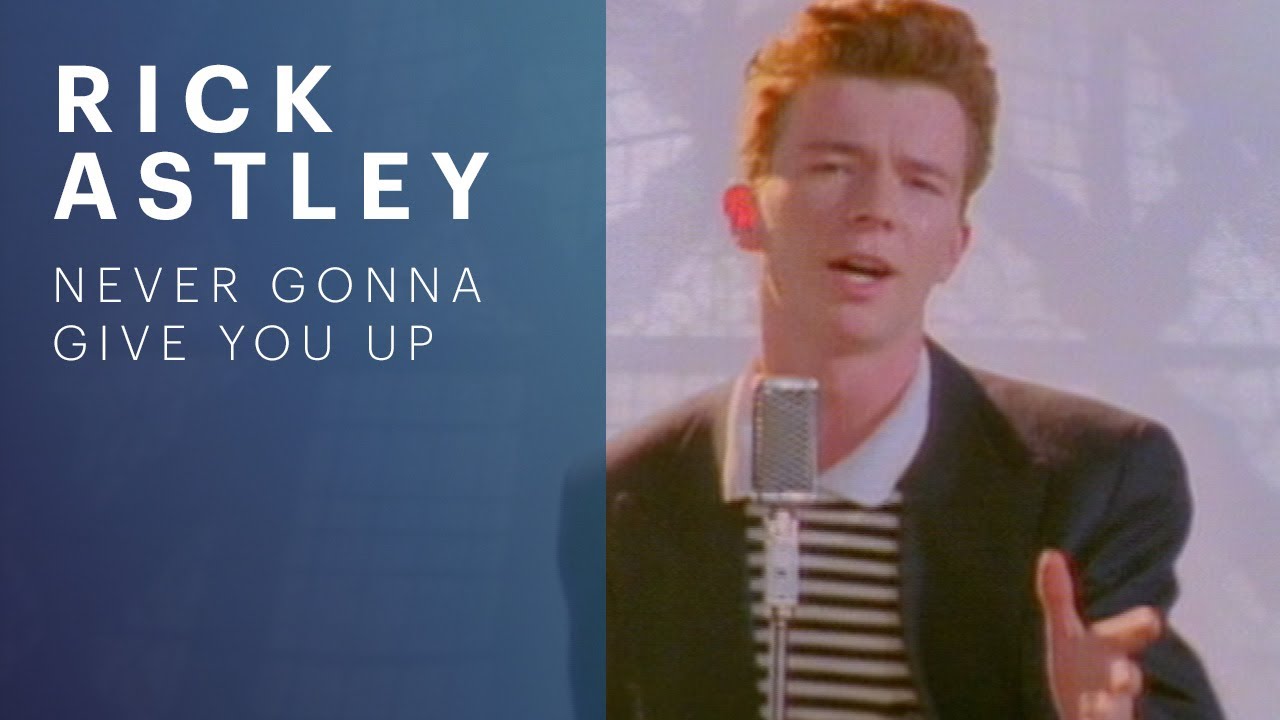
Rickrolling
The internet's favorite bait-and-switch: click a promising link, get Rick Astley's 1987 "Never Gonna Give You Up" instead. Born on 4chan in 2007 and peaking in 2008, it's the prank that never really gave up.

eBaum's World
The early-2000s comedy and media dump every kid browsed instead of doing homework. Flash cartoons, prank-call soundboards, funny clips, and simple games — all stamped with the site's inescapable watermark, which became the running joke and the scandal at once.