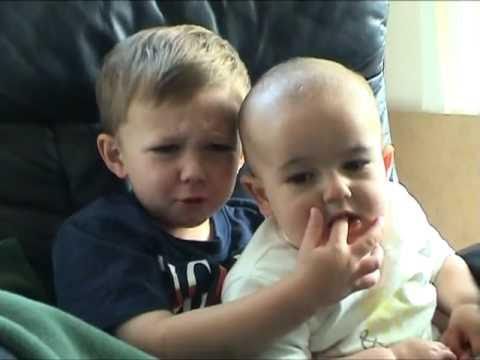
Charlie Bit My Finger
A dad filming his toddlers in England. The youngest bites the oldest's finger. "Ouch, Charlie! Charlie, that really hurt!" The giggle that followed became the most-viewed video on all of YouTube — and held the crown into 2011.
8 items
A dad filming his toddlers in England. The youngest bites the oldest's finger. "Ouch, Charlie! Charlie, that really hurt!" The giggle that followed became the most-viewed video on all of YouTube — and held the crown into 2011.

Chuck Norris can divide by zero. The absurdist one-liner engine of 2005 colonized forum signatures, email chains, and lunchrooms — hyperbolic "facts" about one man's toughness that became a shared vocabulary for the whole internet.

The Nickelodeon sitcom about a teenage girl running a web show from her apartment, perfectly capturing the moment when online video became the new fame. Carly, Sam, and Freddie's shenanigans and random web-show bits defined what a generation thought being internet-famous looked like—before YouTube influencers made it real.

A World of Warcraft guild meticulously plans a raid — and then Leeroy Jenkins, back from making chicken, bellows his own name and charges in alone, wiping everyone. "At least I have chicken" became the internet's shorthand for glorious reckless abandon.

A grey cat with a caption. In 2007, a website launched around a single image of a cat asking "I can has cheezburger?" — broken English, instant appeal, zero cynicism. Within months the site was pulling over a million hits a day, and a niche 4chan tradition became a phenomenon covered by Time magazine. Lolcats became the grammar of internet humor for a decade, the template for every image macro that followed.
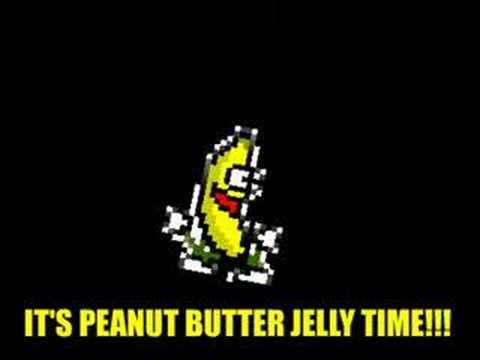
A pixelated banana, dancing. A frantic novelty song, repeating. Together they conquered the early-2000s internet through sheer absurdity, until someone in every room could yell "IT'S PEANUT BUTTER JELLY TIME!" and everyone else would groan on cue.
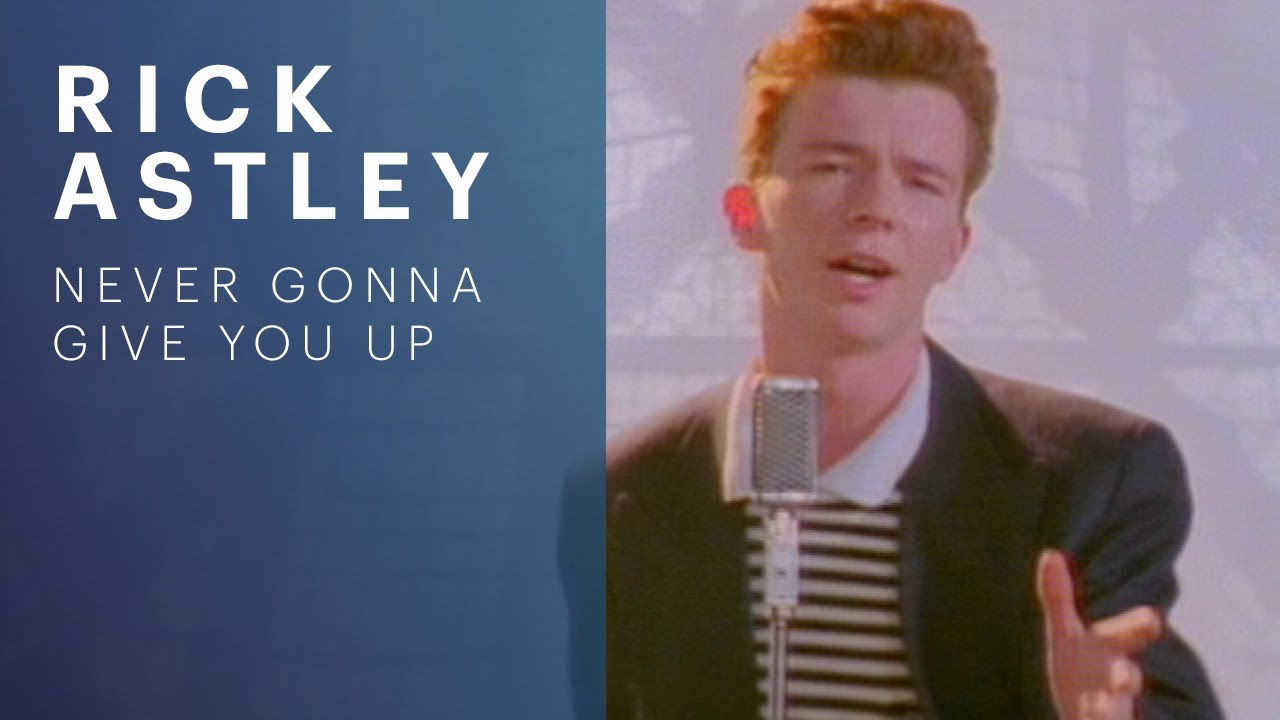
The internet's favorite bait-and-switch: click a promising link, get Rick Astley's 1987 "Never Gonna Give You Up" instead. Born on 4chan in 2007 and peaking in 2008, it's the prank that never really gave up.

Two teenagers lip-syncing the Pokémon theme in their living room, mouths flapping with total commitment. Ian Hecox and Anthony Padilla were making dumb videos with their friends before "YouTuber" was a word — and for long stretches of YouTube's first decade, nobody on the platform was bigger.