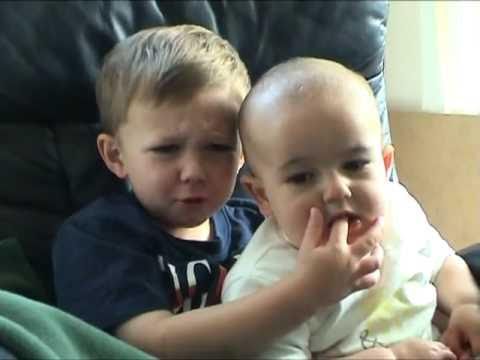
Charlie Bit My Finger
A dad filming his toddlers in England. The youngest bites the oldest's finger. "Ouch, Charlie! Charlie, that really hurt!" The giggle that followed became the most-viewed video on all of YouTube — and held the crown into 2011.
20 items
A dad filming his toddlers in England. The youngest bites the oldest's finger. "Ouch, Charlie! Charlie, that really hurt!" The giggle that followed became the most-viewed video on all of YouTube — and held the crown into 2011.
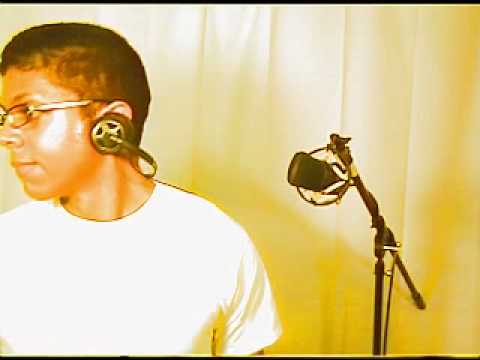
Tay Zonday's impossibly deep baritone over a looping piano, delivered stone-faced into a home microphone. The joke was the caption: "I move away from the mic to breathe in." Beneath the meme, the lyrics were a metaphor about racism in America — a fact most people quoting it never noticed.

Drop Mentos into Diet Coke and the bottle erupts into a foaming geyser. The science is simple — the candy triggers the release of the soda's dissolved gas — but the magic belonged to 2006, when two performers from Maine turned a backyard trick into one of the internet's first great viral videos. Every kid who saw it begged for a 2-liter and a roll of Mentos.

A prairie dog — not actually a chipmunk — whips its head toward the camera in slow menace, scored with a sinister orchestral sting from a 1974 Mel Brooks film. Five seconds of pure reaction gold that became the internet's shorthand for "something just happened."

The early-2000s comedy and media dump every kid browsed instead of doing homework. Flash cartoons, prank-call soundboards, funny clips, and simple games — all stamped with the site's inescapable watermark, which became the running joke and the scandal at once.

"H'okay, so here's the Earth." Jason Windsor's crude Flash cartoon walks through which country nukes which, in funny accents, until the whole planet is gone. It hit Albino Blacksheep in 2003, and "fire ze missiles" and "I am le tired" followed a generation of kids through middle school.
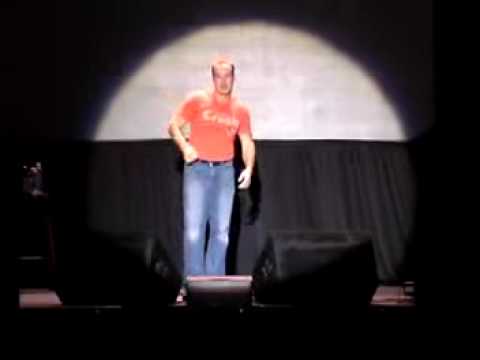
One man, a black T-shirt, a spotlight, and a six-minute journey through decades of dance moves. Judson Laipply's "Evolution of Dance" was the video everyone forwarded to everyone else — proof that YouTube could make a star out of anybody with an idea and a camcorder.

A photo of a crooked staircase, a sign with a misspelled word, a skateboarder meeting a handrail, each stamped with one word: FAIL. Launched in January 2008 and bought by the lolcats company that spring, FAIL Blog turned a one-word caption into a noun the whole internet used.
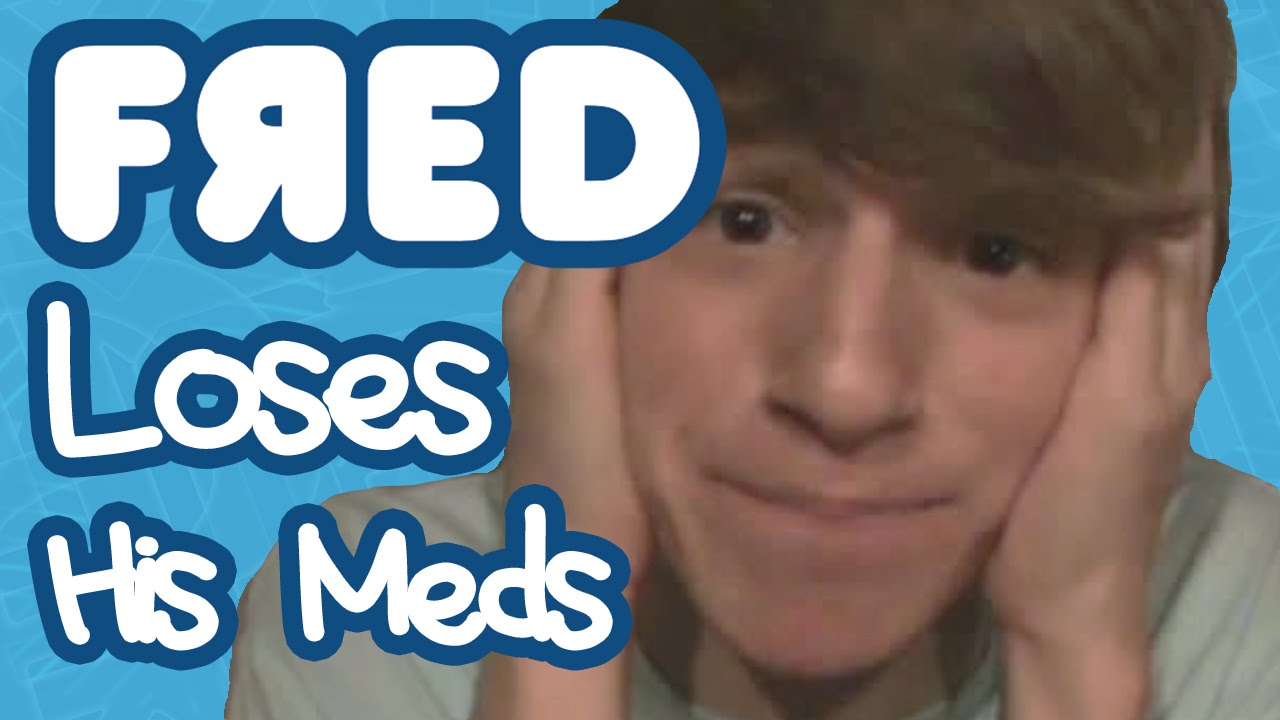
The squealing, sped-up voice that ruled early YouTube and echoed off every playground. Fred Figglehorn — teenager Lucas Cruikshank's hyperactive six-year-old alter ego — turned pitch-shifted freakouts into the platform's first million-subscriber empire, and kids either quoted him constantly or begged them to stop.
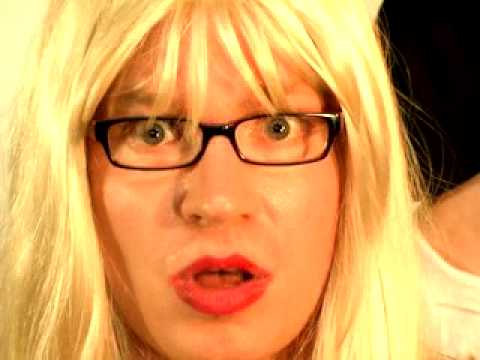
"Shoes. Shoes. OH MY GOD. SHOES." Comedian Liam Kyle Sullivan's deadpan drag creation Kelly growls her way through a birthday shoe rampage in one of YouTube's first true viral videos — the clip a whole generation quoted at every mall for years.

An orange cat in a blue baby T-shirt, propped up at a keyboard, "playing" a jaunty tune while an off-screen owner works its paws. Charlie Schmidt shot it on VHS in 1984, uploaded it in 2007, and in 2009 the internet decided that every fail video should end with him: play him off, Keyboard Cat.

A dense little sponge loaded with rainbow ink, demonstrated for 37 minutes by Dee Gruenig, billed as the queen of rubber-stamping, on a 2000 Posh Impressions tape. Found Footage Festival pulled it out of an Ohio Goodwill, and her unfiltered delight in a wavy stripe of color became an internet classic.

A high-school kid from Hilo, Hawaii, teaching you How To Be Ninja, How To Be Gangster and How To Be Emo in a living room with his friends. Ryan Higa's nigahiga channel was the most-subscribed on YouTube for 675 straight days between 2009 and 2011, the first to pass three million, and a template for a decade of YouTubers.

One of the internet's first viral megahits: a webcam clip of a New Jersey teenager lip-syncing and flailing joyfully to a Moldovan pop song. Gary Brolsma's "Numa Numa Dance" spread to hundreds of millions of views — and it happened before YouTube even existed.
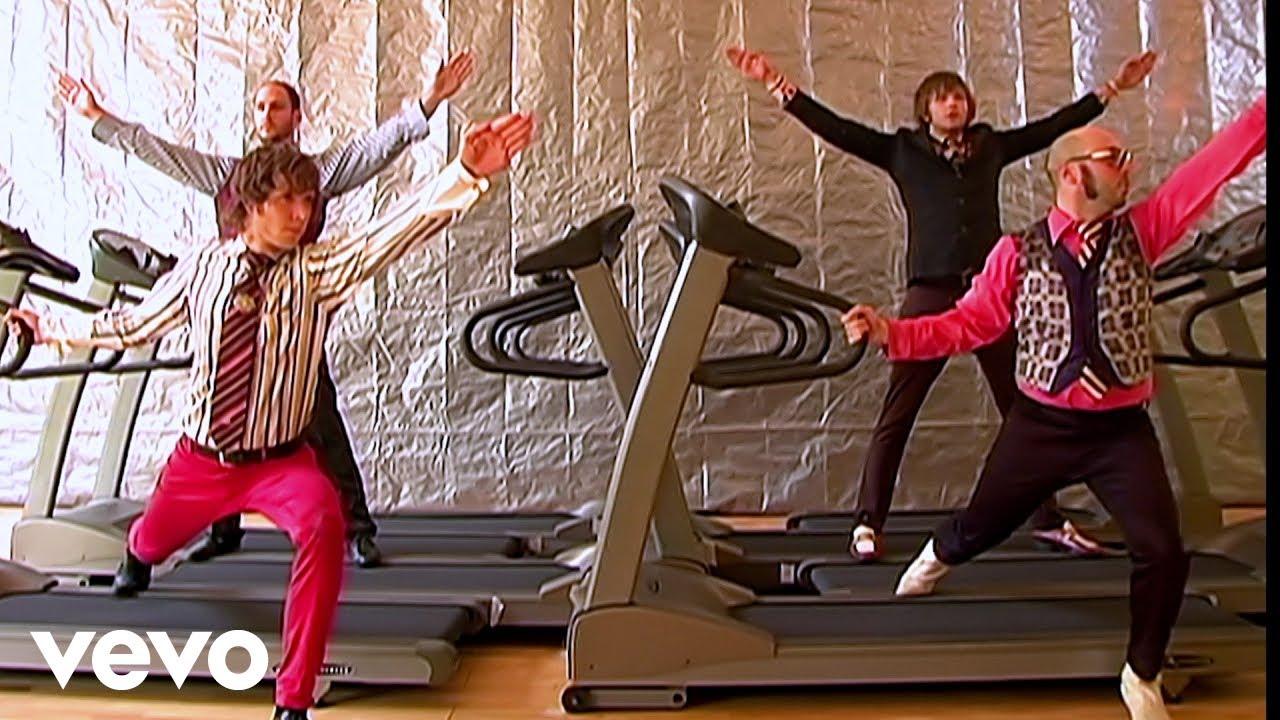
Four guys, eight treadmills, one continuous take. OK Go's "Here It Goes Again" video cost about $4,000, was shot in Damian Kulash's sister's house in Orlando, and went up on YouTube on July 31, 2006, when the site was just starting to take off. It won a Grammy and showed the music business what a viral video could do.
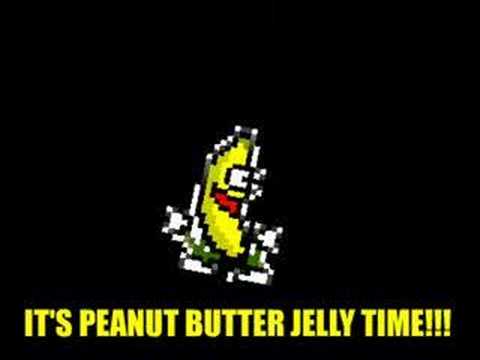
A pixelated banana, dancing. A frantic novelty song, repeating. Together they conquered the early-2000s internet through sheer absurdity, until someone in every room could yell "IT'S PEANUT BUTTER JELLY TIME!" and everyone else would groan on cue.
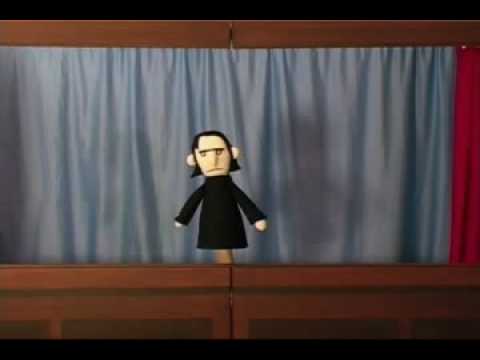
Snape, Snape, Severus Snape. If your brain just added the next line, you were on YouTube in 2007. Neil Cicierega's felt-puppet Hogwarts reduced the wizarding world to bickering hand puppets — and produced one of early YouTube's most-watched videos ever.

A thin green man with lettuce for fingers who loves the feel of rusty spoons, speaks in a whisper, and lives alone in a dead, bleached world. David Firth posted the first Salad Fingers episode to Newgrounds in July 2004, and a generation of kids who watched it in a computer lab has never quite recovered.
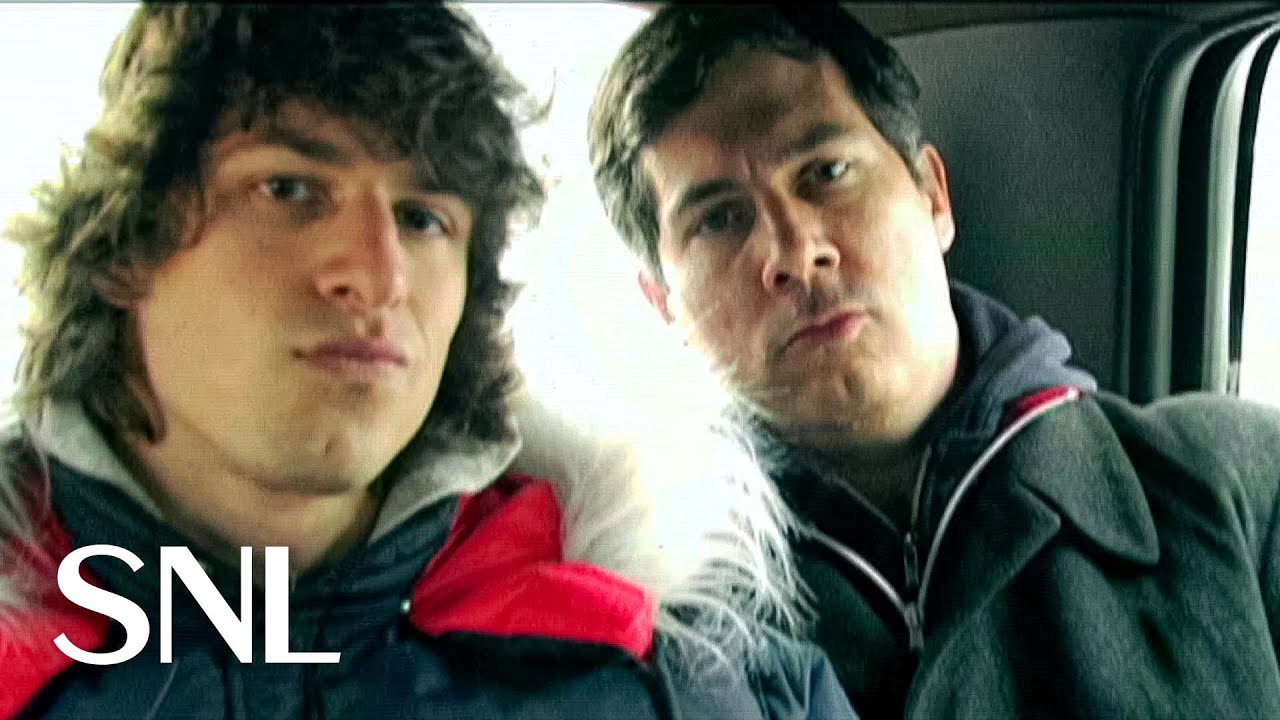
"An SNL Digital Short" was the title card that meant Monday's homeroom had material. When "Lazy Sunday" leaked onto a fledgling startup called YouTube in bootleg uploads, it did as much for YouTube as it did for Andy Samberg — and "Dick in a Box" won an actual Emmy.

"Will it blend? That is the question." Blendtec founder Tom Dickson, in a white lab coat, fed marbles, a rake handle, golf balls and eventually a brand-new iPhone into his blender and reduced each to dust. It started in October 2006 on a $50 budget and became the viral campaign every marketing class studied.