Diet Coke & Mentos

Drop Mentos into Diet Coke and the bottle erupts into a foaming geyser. The science is simple — the candy triggers the release of the soda's dissolved gas — but the magic belonged to 2006, when two performers from Maine turned a backyard trick into one of the internet's first great viral videos. Every kid who saw it begged for a 2-liter and a roll of Mentos.
The Diet Coke and Mentos reaction existed as a science-class curiosity long before it became a cultural moment. Lee Marek and his "Kid Scientists" demonstrated it on the Late Show with David Letterman back in 1999, and science educator Steve Spangler performed it on Denver television in March 2002; when Spangler's demo took off on YouTube in 2005, a wave of copycat geysers followed. Suddenly everyone with a camcorder and a 2-liter was trying it.
Then came the fountain show. Fritz Grobe and Stephen Voltz — two performers from Buckfield, Maine, working under the name EepyBird — first staged a ten-bottle Coke-and-Mentos finale in a theater sketch in November 2005, then spent five months engineering something grander: a 101-bottle synchronized display modeled on the Bellagio fountains in Las Vegas. They posted "The Extreme Diet Coke & Mentos Experiments" on EepyBird.com on June 3, 2006, and told exactly one person. Within hours, thousands of visitors were arriving; by the end of day one the video had over 14,000 views, and over 2 million people visited in the first nine days. That Monday the Late Show called; the same week, Mentos maker Perfetti Van Melle called to offer support. MythBusters took on the eruption that same year, and the video went on to win the first-ever Webby Award for Viral Video in 2007.
The sequel, "The Domino Effect" — sponsored by Perfetti Van Melle, Coca-Cola, and Google — chained more than 250 geysers, and per NPR, Grobe and Voltz became the first amateur video creators signed by Google to share ad revenue. For a stretch of the mid-2000s, every backyard eruption was performance art, and every grocery run with a kid included a negotiation about Mentos.
Similar items

Mentos (The Freshmaker Era)
Minor social catastrophe? Eat a Mentos. Roll across a freshly painted bench, hijack a tablecloth, climb through a stranger's car — then flash a thumbs-up at the camera. The Freshmaker ads were so gloriously wrong they became one of the most beloved things on 90s TV.

Early YouTube
The video platform that made viral content a daily ritual. YouTube launched in 2005 as low-res, ad-free, and gloriously weird—a space where "Lazy Sunday," "Chocolate Rain," and "Charlie Bit My Finger" became the lingua franca of internet culture.
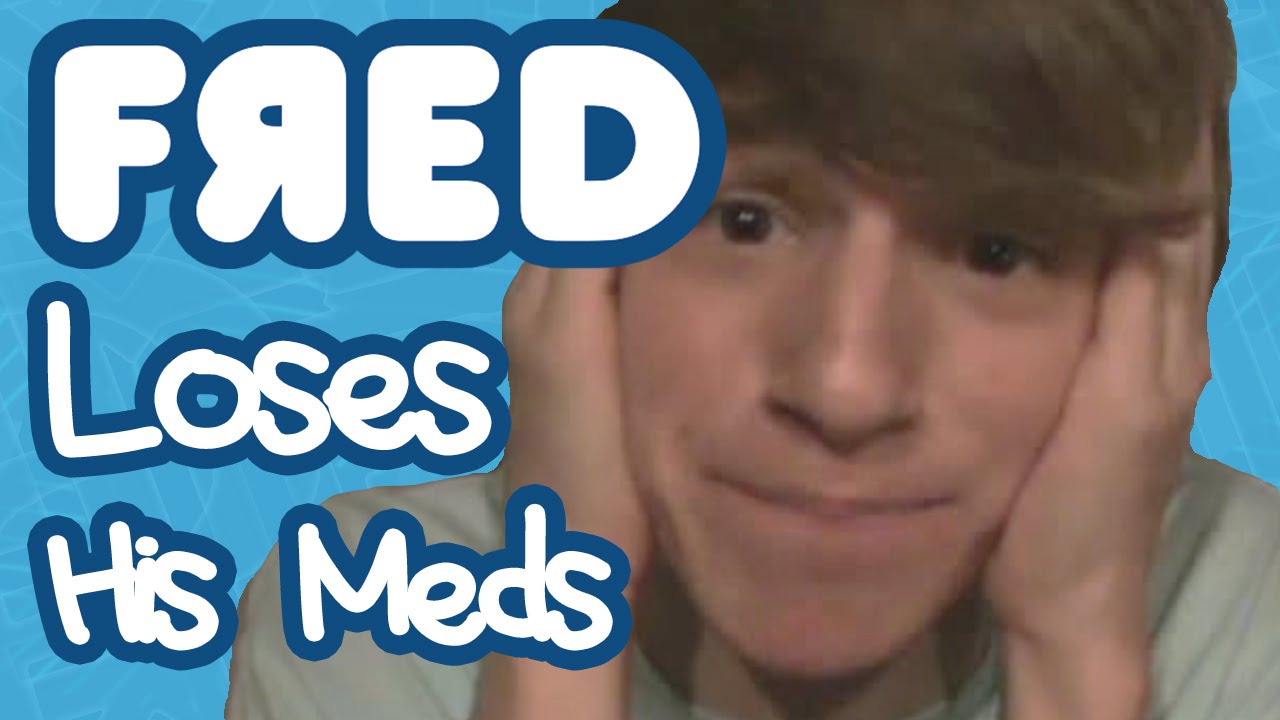
Fred Figglehorn
The squealing, sped-up voice that ruled early YouTube and echoed off every playground. Fred Figglehorn — teenager Lucas Cruikshank's hyperactive six-year-old alter ego — turned pitch-shifted freakouts into the platform's first million-subscriber empire, and kids either quoted him constantly or begged them to stop.

Numa Numa
One of the internet's first viral megahits: a webcam clip of a New Jersey teenager lip-syncing and flailing joyfully to a Moldovan pop song. Gary Brolsma's "Numa Numa Dance" spread to hundreds of millions of views — and it happened before YouTube even existed.