Accelerated Reader Points

Finish the book, march to the library computer, pass the quiz, collect the points. Accelerated Reader turned a generation's independent reading into a full-blown economy — with leaderboards, prize walls, and kids doing cold calculations about whether a fat book was worth the point risk.
Accelerated Reader began at home, not at school. In 1986, Judith Paul built a program of book quizzes in the basement of her house in Port Edwards, Wisconsin, to get her own children reading more. It worked well enough to become a company — first called Read Up!, renamed Advantage Learning Systems in 1991, and eventually Renaissance Learning in 2001 — and its software spread through American school libraries until taking an AR quiz was as standard a ritual as the Pledge of Allegiance.
The loop was frictionless and weirdly thrilling. Every book in the library wore a little label with its reading level and point value, calculated from difficulty and length. You read the book, sat down at the designated computer, and answered a short multiple-choice quiz to prove you'd really read it. Pass, and the points were yours. Schools bolted whole economies onto those points — prize carts, pizza parties, wall charts, end-of-year medals — though Renaissance itself has always described the program as an assessment tool rather than a rewards scheme. Tell that to the kid speed-reading a fourth Goosebumps on quiz-day morning, or weighing whether attempting the massive Harry Potter was worth more than five safe thin ones.
That gap between design and playground reality is where the criticism lived, too: reading researchers like Stephen Krashen argued that reading for incentives doesn't create long-term readers, and plenty of librarians watched kids pick books by point value instead of curiosity. But for the students who lived it, AR points are pure sense memory — the label on the spine, the quiz login screen, and the sweet, specific triumph of a 10/10 posted before the first bell.
Similar items

Scholastic Book Fairs
The ritual: your school gym transforms overnight into a pop-up bookstore of rolling display cases, and you wander the aisles with a wish list and a budget. Scholastic Book Fairs dominated the 90s market, though what kids actually bought — glittery gel pens, novelty pencils, poster books — often had nothing to do with the Goosebumps stacks they wandered past.
Computer Lab
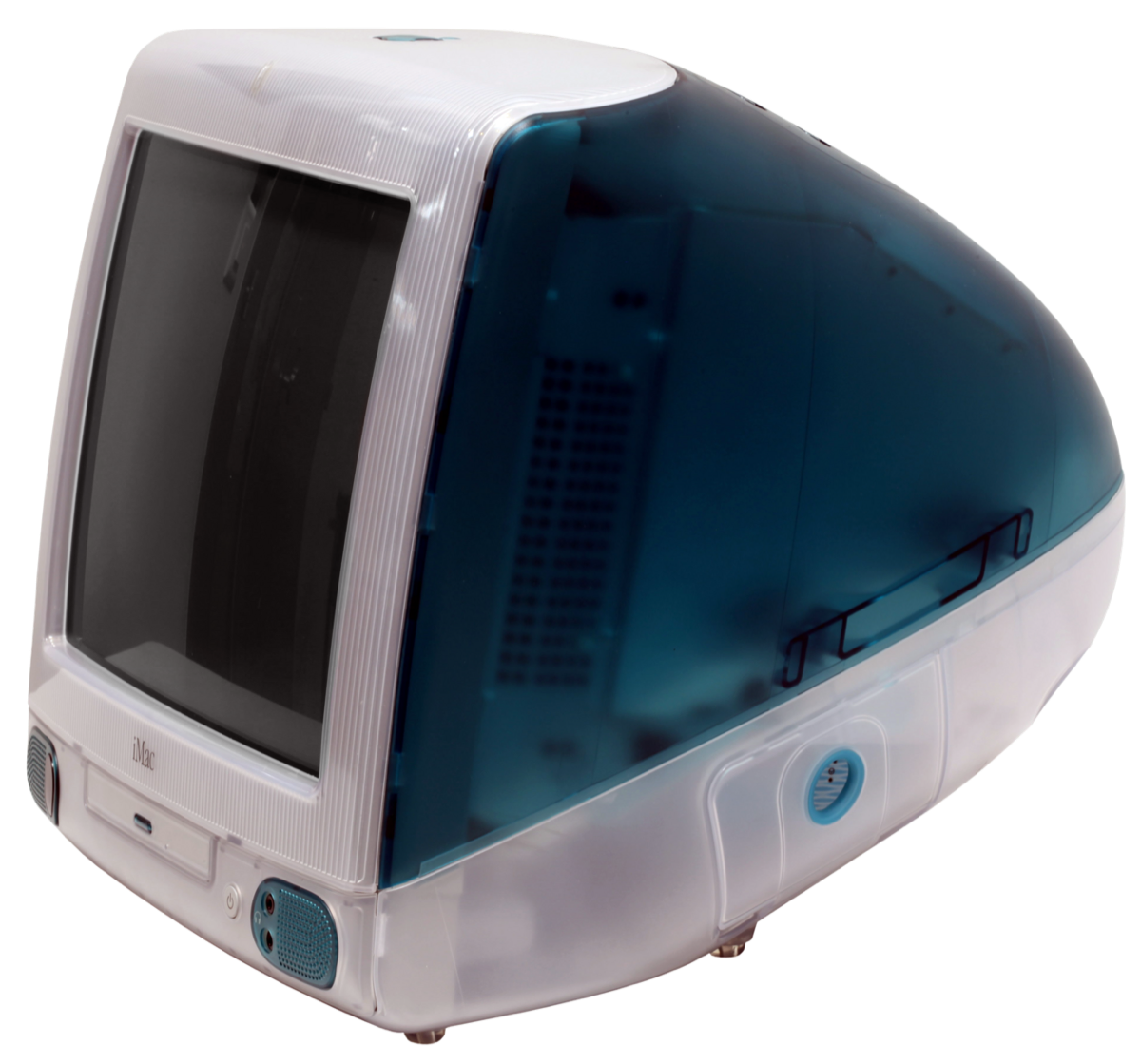
The weekly pilgrimage down the hall to the room full of beige Apple computers, where you'd slot in a floppy disk, wait, and take turns dying of dysentery on the Oregon Trail. "Computer Day" was equal parts educational software and the first place a lot of kids ever touched a keyboard.

LeapPad
The talking book that read along as you touched the page with a magic pen — and somehow made phonics feel like a toy. For a few Christmases in the early 2000s, the LeapPad was the present under every tree.

Card Catalogs
The wall of little wooden drawers that stood between you and every book in the library. Author, title, or subject — you thumbed the worn 3×5 cards, copied a call number onto scrap paper with a golf pencil, and set off into the stacks like you'd been handed a treasure map.