Build-A-Bear Workshop

Maxine Clark left her job running a shoe empire to open a store where kids could build their own stuffed animals. The ritual — picking the unstuffed animal, watching it fill at a machine, kissing a fabric heart and placing it inside, printing a birth certificate — became a pilgrimage rite for generations.
Maxine Clark resigned as president of Payless ShoeSource to follow an idea: a store where the product was the experience of making a toy. She opened the first Build-A-Bear Workshop on October 27, 1997 at the Saint Louis Galleria in St. Louis, Missouri. The first year's sales — roughly $377,600 — exceeded projections. By the end of 1998, there were four stores and $3.3 million in revenue. By 1999, there were 14. Through the 2000s, Build-A-Bear became a mall fixture, a destination for birthday parties and childhood rituals.
The procedure was everything: you chose your unstuffed animal, watched it get filled at the machine, picked a small fabric heart, kissed it for luck, placed it inside the filling, and then moved to the station where you printed a birth certificate for your new companion. You carried it home in a cardboard carrier like it was precious. Because to a child, it was. Clark took the company public in 2004, the same year the first international franchise opened in Sheffield, England. As of 2024, there are 525 Build-A-Bear Workshop locations across 18 countries — still conducting the same ceremony, still selling the experience.
Similar items

Beanie Babies
Ty Warner's small, under-stuffed plush animals launched in 1993 with a genius (and cynical) business strategy: artificial scarcity through deliberate 'retirements' sparked a mid-90s speculative mania. Kids and desperate adults bought price guides, protected tags with plastic sleeves, camped out for McDonald's Teenie Beanies, and treated them as retirement investments before the bubble collapsed around 1999.

Webkinz
Adorable plush animals from Canadian maker Ganz that came with a Secret Code—enter it online, and a virtual version appeared in Webkinz World, your own customizable digital space. Feed it, play mini-games, decorate its room, and if you neglected it too long, it'd get cranky. The plush-plus-online hook made Webkinz a mid-to-late 2000s obsession, especially among kids who'd aged out of Tamagotchis but weren't ready to leave their digital pets behind.
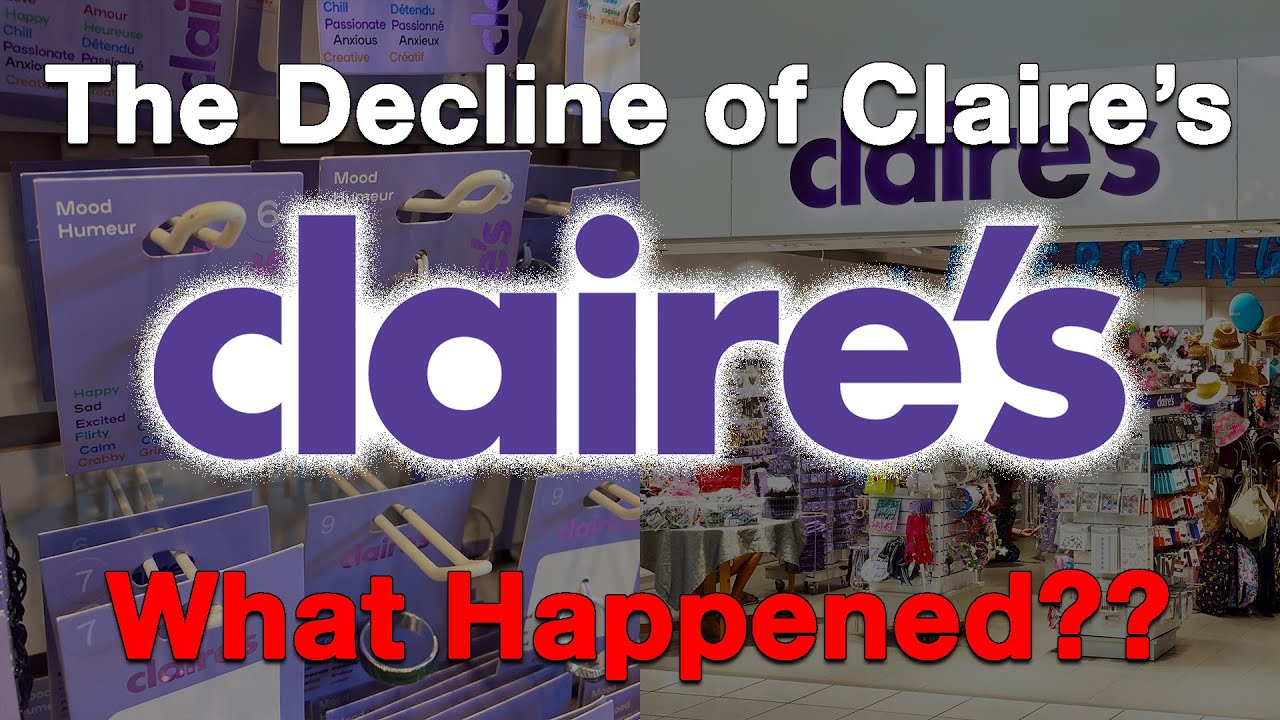
Claire's
The ear-piercing rite of passage: the window chair, the piercing gun, picking starter studs while your friends pressed against the glass. Claire's claims more ear piercings than any other retailer — over 100 million — and for generations of tween girls it was the reason the mall existed: bins of cheap earrings, chokers, butterfly clips, and best-friend necklaces made to be split in half.

Doodle Bear
A plush bear that came with permission to destroy it—draw on it with markers, toss it in the washing machine, and it came out blank and ready for more doodles. Invented by Ed Kaplan and released by Tyco in 1995, Doodle Bear was the anti-collectible, the polar opposite of the untouched Beanie Baby sitting in its case. In an era when toys were meant to be preserved, this one begged to be drawn on.