Webkinz

Adorable plush animals from Canadian maker Ganz that came with a Secret Code—enter it online, and a virtual version appeared in Webkinz World, your own customizable digital space. Feed it, play mini-games, decorate its room, and if you neglected it too long, it'd get cranky. The plush-plus-online hook made Webkinz a mid-to-late 2000s obsession, especially among kids who'd aged out of Tamagotchis but weren't ready to leave their digital pets behind.
Webkinz launched in 2005, with Webkinz World going live in April that year. The genius of the concept was immediate: you got a physical toy that was cute and collectible, but the real draw was the online dimension. Each plush came with a unique Secret Code; type it in, and you had a matching pet waiting to be named and cared for. The browser-based world let kids create rooms, compete in games, earn virtual currency, and essentially maintain an entire virtual household.
By the mid-to-late 2000s, Webkinz had become a significant cultural force in kids' entertainment—a bridge between the analog toy aisle and the emerging online gaming world. The plush were colorful, the world was engaging, and the unlock-code mechanic created constant incentive to buy more. For a generation that grew up online but still wanted physical objects to collect, Webkinz was the perfect intersection.
Similar items

Neopets
The website where you could adopt a digital pet, battle it in the Battledome, and waste hours playing Flash mini-games to earn Neopoints. Launched by UK students Adam Powell and Donna Williams in 1999, Neopets became a certified after-school phenomenon, drawing tens of millions of users at its mid-2000s peak.

Tamagotchi
The egg-shaped digital pet that lived on a keychain and died if you ignored it during math class. Bandai's Tamagotchi demanded constant feeding, cleaning, and attention, sparking a global craze — and a wave of school bans.
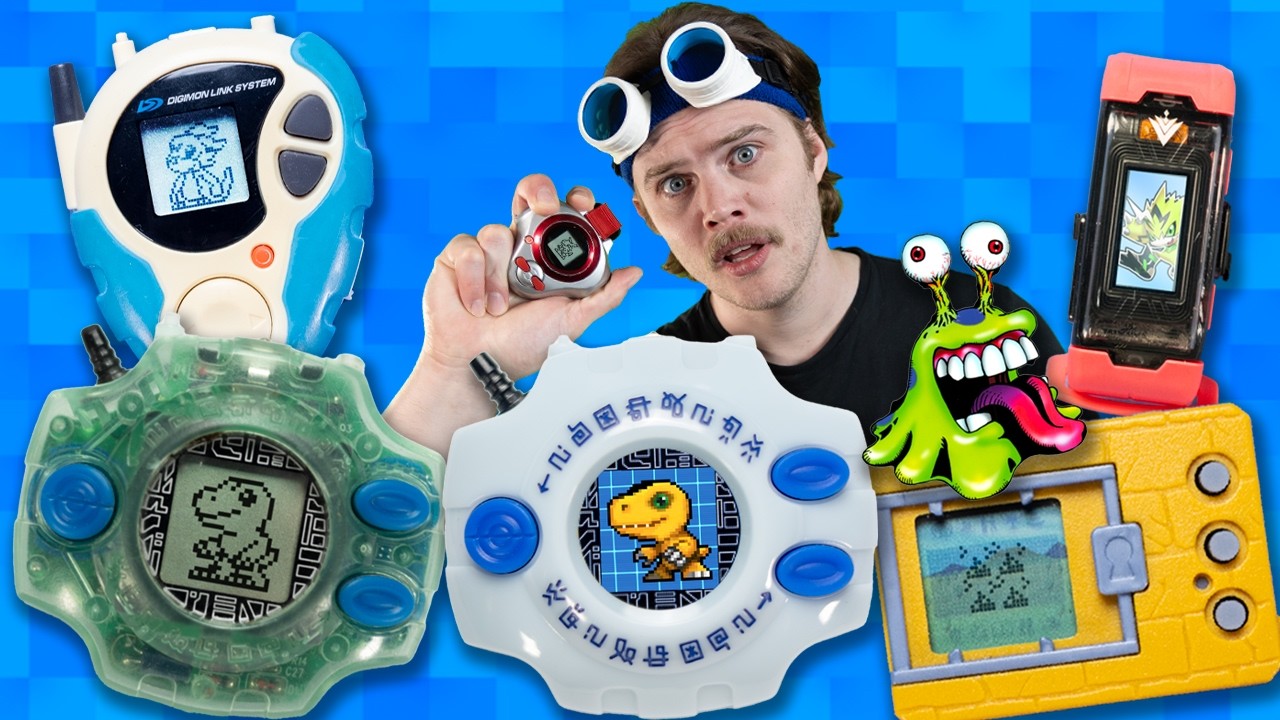
Digimon Virtual Pet
The boy's answer to Tamagotchi, and somehow more addictive: a digital monster you didn't just keep alive, you trained to fight. Snap your device to a friend's, and both creatures would duel on screen, their fate determined by every decision you'd made. The winning evolution wasn't the prettiest — it was the strongest.
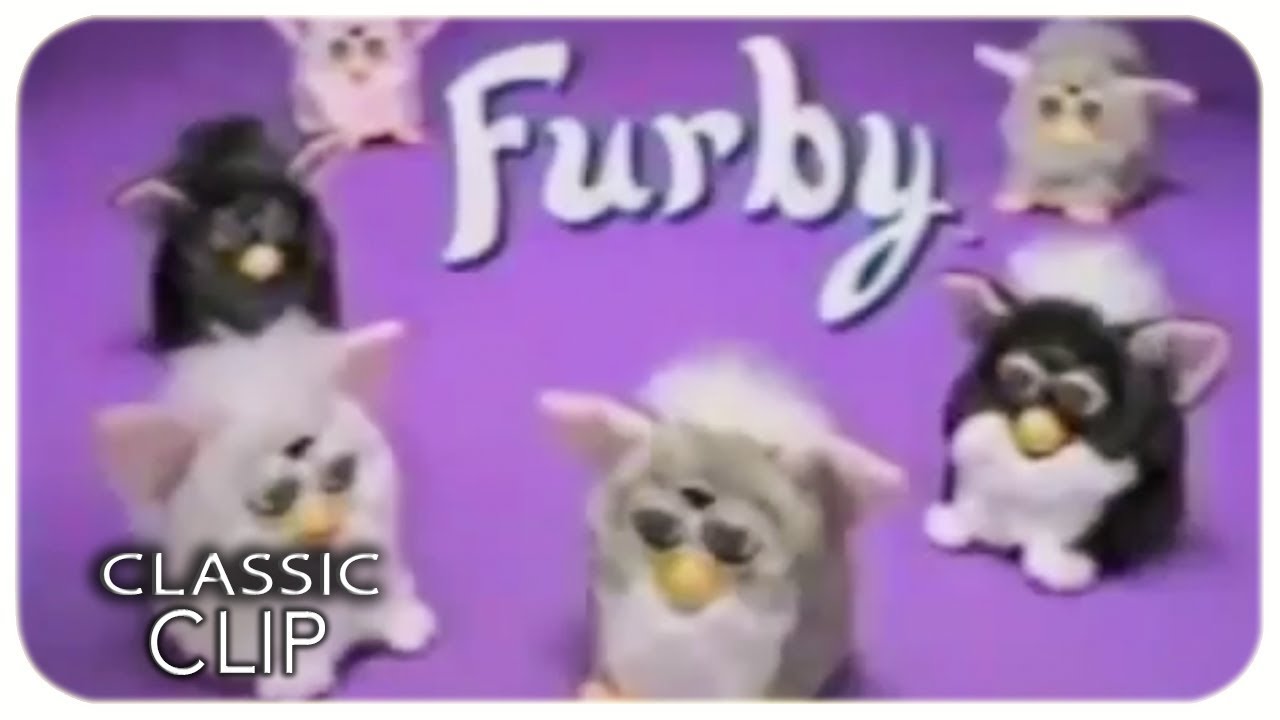
Furby
A furry owl-hamster gremlin that spoke gibberish and slowly "learned" English, making it feel genuinely alive. Tiger Electronics' Furby became the holiday craze of 1998—resale prices hit $100, and the NSA banned it from its offices out of sheer paranoia.