Doodle Bear

A plush bear that came with permission to destroy it—draw on it with markers, toss it in the washing machine, and it came out blank and ready for more doodles. Invented by Ed Kaplan and released by Tyco in 1995, Doodle Bear was the anti-collectible, the polar opposite of the untouched Beanie Baby sitting in its case. In an era when toys were meant to be preserved, this one begged to be drawn on.
Ed Kaplan, founder of EKA Associates, invented Doodle Bear, inspired by a 1950s and 1960s fad of autographing stuffed toys—particularly dogs—for special occasions like graduations. Tyco released the washable, marker-compatible plush bear in 1995, and it became an immediate phenomenon. According to Kaplan's son Douglas, Doodle Bear topped $50 million in sales in its first year alone.
Mattel acquired Tyco in 1997, and between 1997 and 2000, Doodle Bear sales tripled. The toy later changed hands several times: Play Along relaunched it in 2004 with spin-offs like Doodle Monster and Magic Glow Doodle, Fisher-Price held the license from 2010 to 2013, and TOMY brought it back in 2019. In the age of Beanie Babies—when collecting meant shrink-wrap and "don't touch"—Doodle Bear stood as the antithesis: a stuffed animal you were actively supposed to scribble all over, creating something new and uniquely yours before washing it clean and starting over.
Similar items

Beanie Babies
Ty Warner's small, under-stuffed plush animals launched in 1993 with a genius (and cynical) business strategy: artificial scarcity through deliberate 'retirements' sparked a mid-90s speculative mania. Kids and desperate adults bought price guides, protected tags with plastic sleeves, camped out for McDonald's Teenie Beanies, and treated them as retirement investments before the bubble collapsed around 1999.
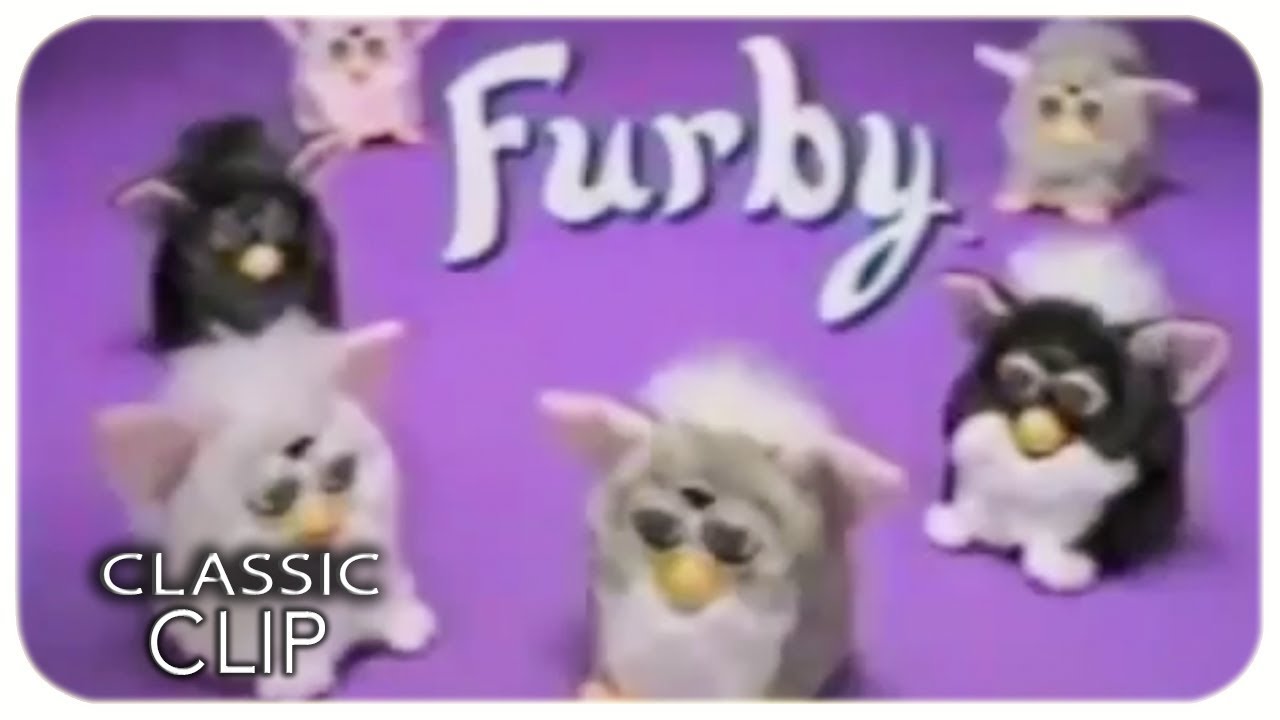
Furby
A furry owl-hamster gremlin that spoke gibberish and slowly "learned" English, making it feel genuinely alive. Tiger Electronics' Furby became the holiday craze of 1998—resale prices hit $100, and the NSA banned it from its offices out of sheer paranoia.

Build-A-Bear Workshop
Maxine Clark left her job running a shoe empire to open a store where kids could build their own stuffed animals. The ritual — picking the unstuffed animal, watching it fill at a machine, kissing a fabric heart and placing it inside, printing a birth certificate — became a pilgrimage rite for generations.

Crayola Color Wonder
The markers that scribbled clear on skin, walls, and car seats — and bloomed into color only on the special paper. Crayola's chemistry trick, launched in 1993, became the road-trip and restaurant salvation of every 2000s parent.