Yomega Fireball

The workhorse of the late-90s yo-yo craze. Where the Brain was training wheels, the Fireball required actual skill — a free-spinning axle that let you sleep long enough to land tricks that looked impossible. This was the yo-yo you graduated to.
Yomega released the Fireball in 1989, nearly a decade before the craze that would make it a schoolyard legend. The innovation was the transaxle: a free-spinning plastic sleeve around the yo-yo's axle that slashed string friction. Where fixed-axle wooden yo-yos died after a few seconds of spin, the Fireball slept long and deep — a hardware breakthrough that put the whole trick circuit within reach.
When the 1997–1999 playground boom hit, the Fireball became the trick workhorse. The Brain taught beginners how to sleep; the Fireball taught them what you could do with that sleep. Long sleepers are foundational to every trick in the circuit — walk the dog, rock the baby, around the world — and this yo-yo made them routine for kids willing to practice. It required actual skill and commitment, no auto-return safety net, which made it the step up you graduated to once you'd mastered the Brain. Yomega's ball-bearing Raider (1991) sat above it as the coveted top-end model for the truly obsessed.
During Japan's Hyper Yo-Yo boom in the late 90s, Yomega partnered with Bandai — many Fireballs from that era carry both brands. Decades later, the Fireball is still in production, a testament to a design that nailed the balance between innovation and playability.
Similar items

The Yo-Yo Craze
In the late 90s, playgrounds erupted into a worldwide yo-yo arms race fueled by technological breakthroughs—Yomega's "Brain" with its magical automatic return, ball-bearing transaxles that spun for ages, and trick hierarchies that drove kids to master walk-the-dog and around-the-world. Schools banned them, championships crowned them, and by decade's end it all collapsed just as suddenly.

Yomega Brain
The yo-yo that thought for you. A centrifugal clutch inside meant a sleeper that worked on day one, even if you'd never held a yo-yo before. It wasn't about finesse — it was about giving your hand a fighting chance.

Duncan Yo-Yos
The brand that made the yo-yo an American institution — and then nearly lost it all in court. In 1963 alone, Duncan sold a reported 33 million units, but a legal fight over the word 'yo-yo' sent the company into bankruptcy. The brand recovered, and by the 1990s, every kid's entry yo-yo was still a Duncan Butterfly or Imperial.
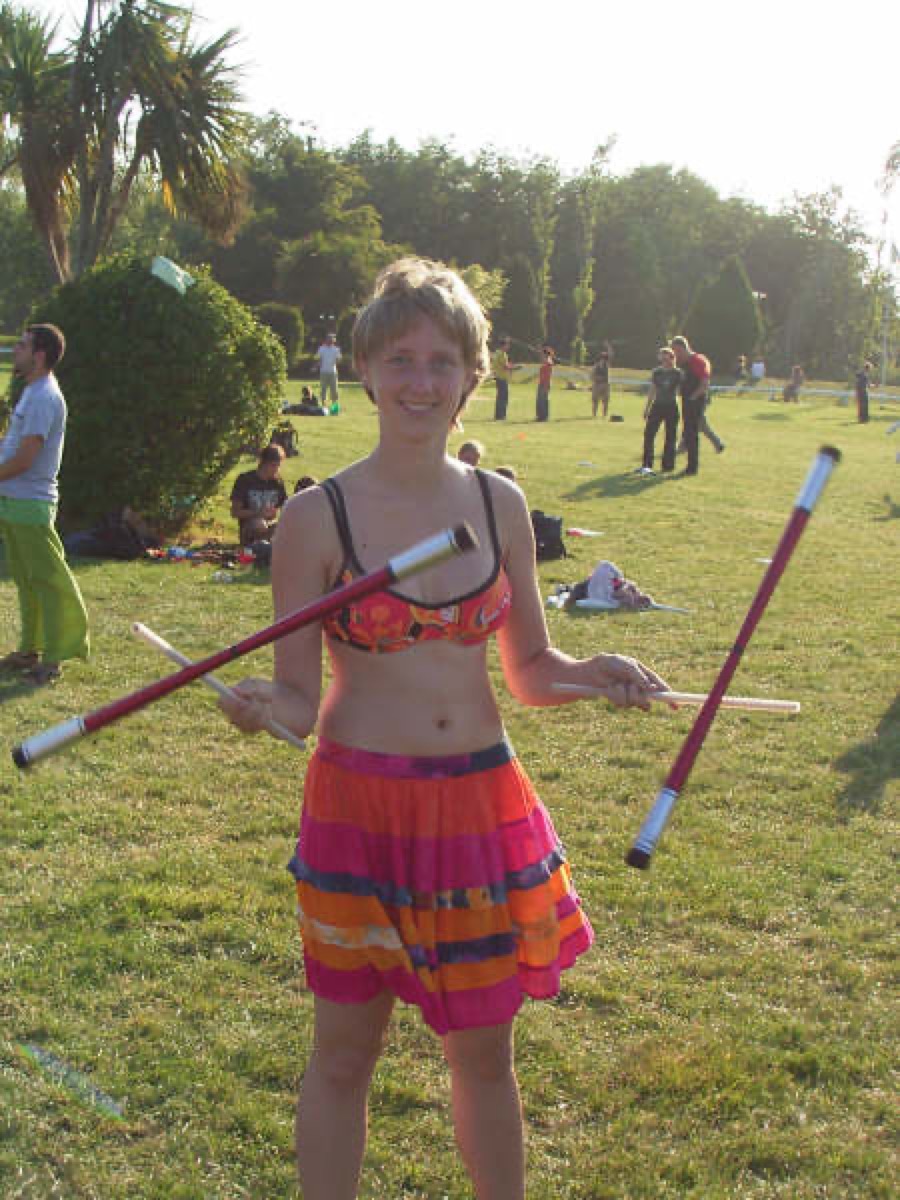
Devil Sticks
A centuries-old juggling prop — a tapered center stick twirled between two hand sticks — exploded as a US schoolyard and festival craze in the 1990s. Vendors at mall kiosks sold neon-taped and rubber-tipped versions to kids who spent recess mastering the mesmerizing spin alongside hacky sacks and classic yo-yos.