Windows Media Player Visualizations

Rip the CD, hit play, go fullscreen, lights off: the swirling neon ribbons of Windows Media Player turned every family PC into a bedroom planetarium. Nobody chose to watch Alchemy exactly — it just happened to you, for hours.
Windows Media Player 7, released in June 2000, shipped with built-in visualizations — Ambience, Bars and Waves, Spikes and friends — pulsing, full-window graphics that danced to whatever was playing. WMP 8 came bundled with Windows XP and added Battery; WMP 9 arrived in January 2003 with Alchemy, the one everybody actually remembers: glowing particle ribbons swirling and knotting through black space like a lava lamp rendered by aliens.
The visualizations mattered because WMP was the default. Winamp's plug-in scene did trippy music graphics first and did them harder, but most kids never installed anything — they just double-clicked an MP3 or a freshly burned mix CD and the swirls were simply there, one right-click from fullscreen. So the ritual assembled itself in a million bedrooms and computer labs: put on the good song, maximize the visualizer, turn off the lights, and stare at the family Gateway like it was a fireplace.
The era faded as iTunes, iPods, and then streaming moved music off the desktop, and the default player stopped being where songs lived. But the muscle memory persists — every lo-fi stream with a pulsing background and every phone visualizer app is chasing what Alchemy did to a 2003 burned CD for free.
Similar items

Winamp
The media player that ran the MP3 era. Winamp's dark little window with the glowing green equalizer, endlessly customizable skins, and the MilkDrop visualizer pulsing to your music was where a generation organized its first ripped-and-downloaded music collection — and yes, it really whipped the llama's ass.

Windows XP
The operating system with the rolling green hill wallpaper—Windows XP arrived in October 2001 with Luna's glossy blue taskbar, the green Start button, and the cheerful startup chime that defined a generation's relationship with computers. It was stable, beloved, and so enduring that users clung to it long after Microsoft stopped supporting it, making it the most iconic OS of the 2000s.
Mix CDs
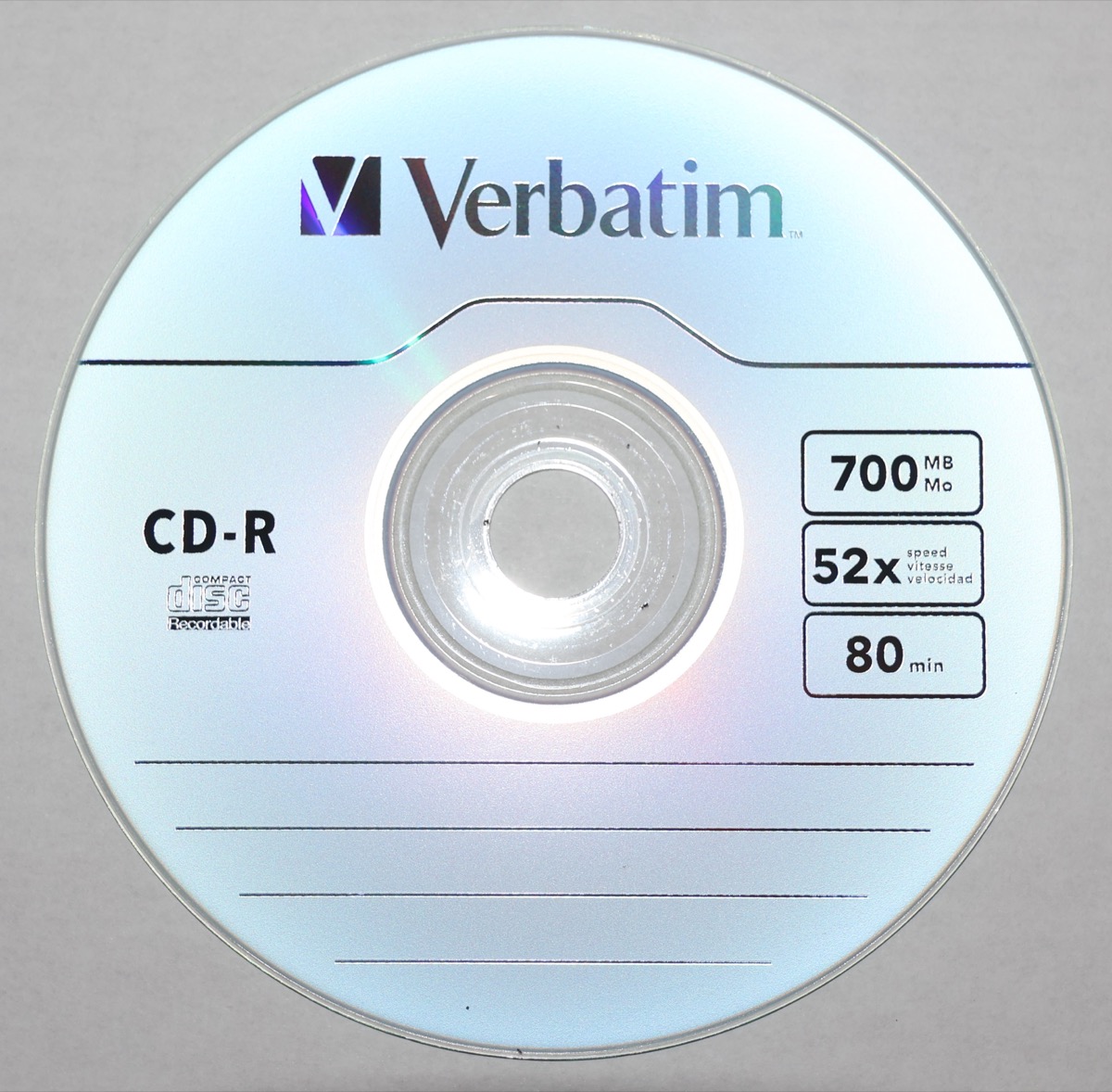
The mixtape of the CD-R era: download MP3s from file-sharing sites, burn them to a blank disc in Nero or iTunes, label it with Sharpie, and pray it didn't skip. Mix CDs were the late-90s and 2000s ritual—track order agonized over, burnable only by those with a CD-R drive, given as love offerings and road-trip soundtracks.

Nero Burning ROM
The software that turned a blank disc into a mix CD, a backup, or a copy of something you probably shouldn't have had. Nero came bundled with drive after drive, so for a lot of people it wasn't the disc burner they chose — it was simply the one that was there. Its icon is a burning Colosseum, which is both a pun and a historical error.