TI-83 Calculator Games
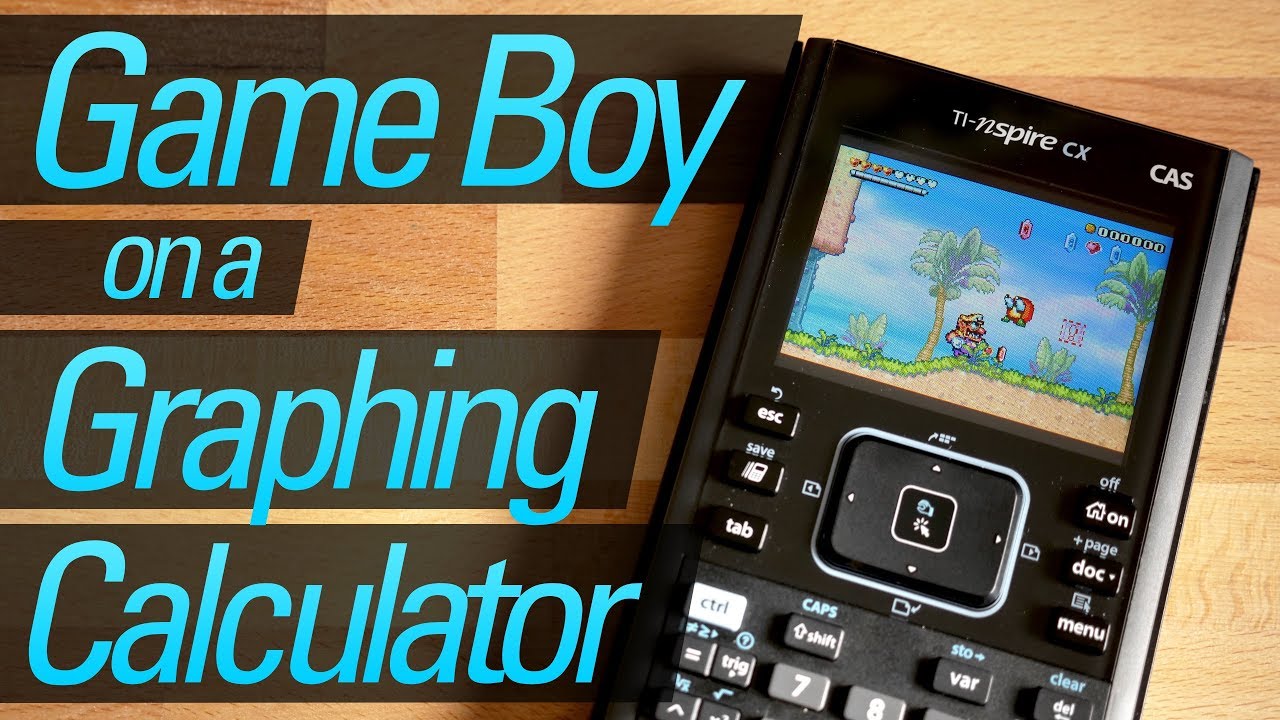
The graphing calculator was required school equipment — until students realized it was also a handheld game console. Snake clones, Block Dude, and Drug Wars spread from calculator to calculator over the link cable, and "put your calculators away" took on a whole new meaning.
Texas Instruments' TI-83, released in 1996 to succeed the TI-82, became de facto mandatory in American high-school math — textbooks were tailored to it, giving it what's been described as a near-monopoly in the field. But the hardware ran a Zilog Z80 processor, which meant it could run far more than arithmetic, and the TI-83 Plus (1999) made it official with Flash memory and an Apps key: this was a programmable device that happened to graph parabolas.
Games written in TI-BASIC and Z80 assembly spread from calculator to calculator through the built-in 2.5mm link port — the sneakernet of math class. The canon formed fast: Snake clones, Falldown, the block-pushing puzzler Block Dude, and the infamous Drug Wars — a buy-low-sell-high trading game descended from a 1984 MS-DOS game John E. Dell wrote as a high-school project, ported to the TI-83 by Michael Swain in 1998. Pay off the loan shark, dodge the cops, survive 30 days: an economics lesson wearing contraband clothing. Teachers confiscated calculators mid-Snake; students beamed games to each other under desks; a required math tool doubled as the one game console you could carry into class legally.
The TI-84 Plus succeeded it in April 2004 and the culture carried straight on — the same 96×64 monochrome screen still glows in classrooms, still running games passed hand to hand like an underground newspaper.
Similar items
Computer Lab
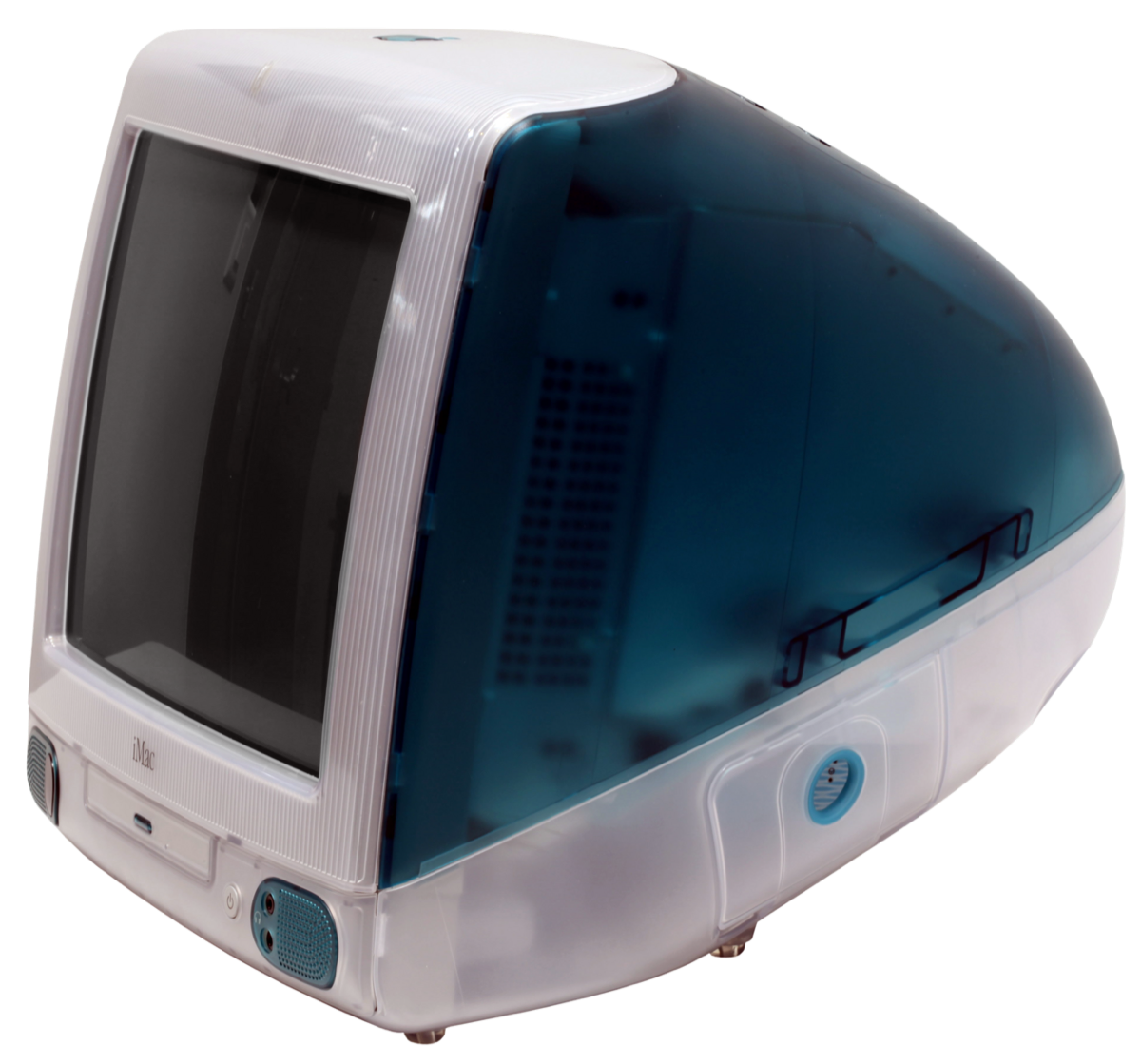
The weekly pilgrimage down the hall to the room full of beige Apple computers, where you'd slot in a floppy disk, wait, and take turns dying of dysentery on the Oregon Trail. "Computer Day" was equal parts educational software and the first place a lot of kids ever touched a keyboard.
Scantron
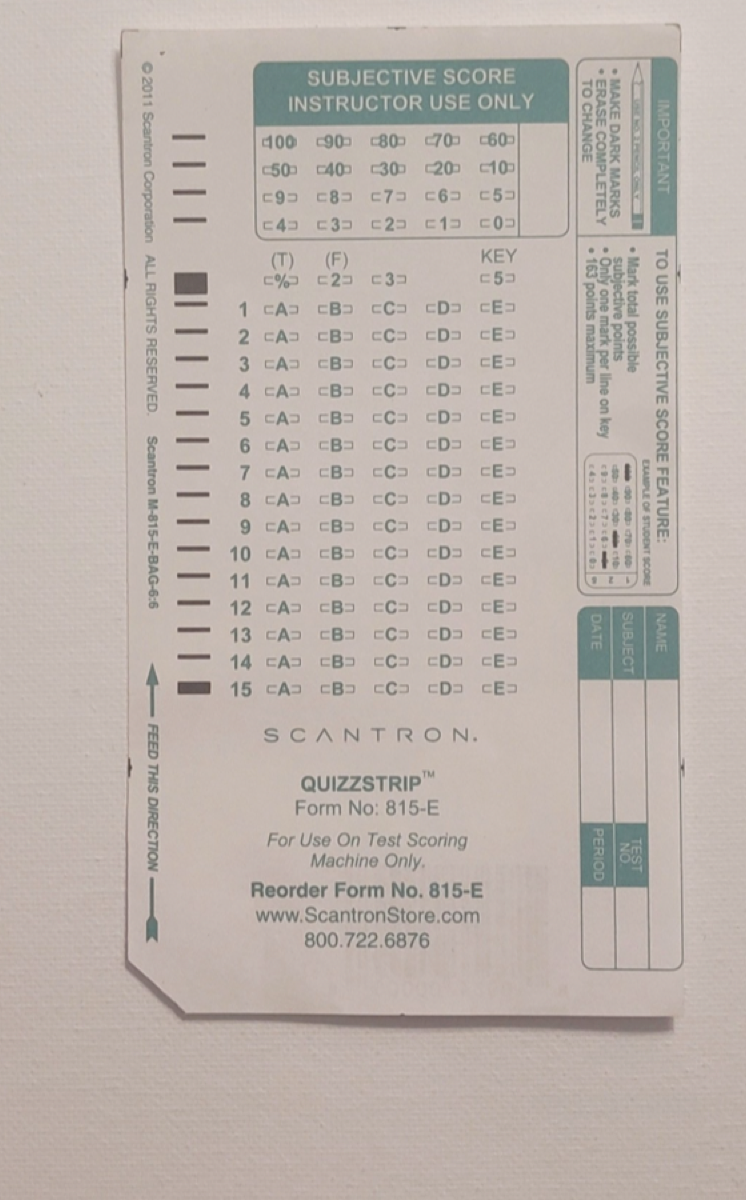
The green (or blue, depending on your school) bubble sheet that turned testing into a ritual of dread. The Scantron form—with its perfectly aligned bubbles and #2-pencil-only mandate—wasn't just a testing tool; it was a rite of passage, complete with the terror of erasure shadows and red hash marks on the returned sheet.

The Oregon Trail
The computer-lab game that taught westward expansion through dysentery and desperation. Every 90s kid named their wagon party after friends, overhunted buffalo, gambled on river crossings, and died of unexpected causes while technically learning American history.

Accelerated Reader Points
Finish the book, march to the library computer, pass the quiz, collect the points. Accelerated Reader turned a generation's independent reading into a full-blown economy — with leaderboards, prize walls, and kids doing cold calculations about whether a fat book was worth the point risk.