Throwback Jerseys

Mitchell & Ness's faithful remakes of old jerseys, a Jordan, a Dr. J, a Dale Murphy, adopted by hip-hop around the turn of the 2000s. The Philadelphia company's sales went from $2.2 million in 1999 to $36 million in 2003, then dropped after Jay-Z rapped that he didn't wear jerseys anymore.
Mitchell & Ness was founded in Philadelphia in 1904 by Frank P. Mitchell and Charles M. Ness, as a sporting goods shop that strung tennis rackets and built golf clubs. It began outfitting the Philadelphia Eagles in 1933, and by 1983 it had nearly gone bankrupt. The turnaround came in 1985. According to Sports Illustrated, owner Peter Capolino was visiting a local uniform manufacturer that spring when he noticed piles of long-discarded wool flannel, the material baseball uniforms were made of before double knits. Complex tells the other half of the story: a customer brought in a game-worn 1960 Pittsburgh Pirates vest and a 1949 St. Louis Browns jersey for repair, Capolino fixed them with the old flannel, and he used what was left to start making reproductions. Sports Illustrated wrote about the shop's flannels in July 1987, and Major League Baseball granted it a license in 1988.
Basketball came next. At the end of the 1990s Mitchell & Ness introduced its Hardwood Classics line of NBA jerseys, and football and hockey followed. Boardroom traces hip-hop's adoption to Big Boi of OutKast, who wore a 1982 Dale Murphy Atlanta Braves throwback in the 1998 video for "Skew It on the Bar-B," and notes that Allen Iverson wore one on the cover of SLAM in March 1999. According to Complex, Reuben "Big Rube" Harley, a Philadelphian who had been buying the jerseys since 1991, approached Capolino in 2001, urged him to focus on the hip-hop audience that had already found the brand, and became its liaison to some of the biggest names in rap. Fabolous, Jermaine Dupri and Cam'ron competed over the jerseys of rare retired players. In May 2002, USA Today reported that the company's most popular NBA players were Michael Jordan and Julius Erving.
The sales followed. They were $2.2 million in 1999 and $36 million in 2003. That year, on "What More Can I Say," Jay-Z rapped, "I don't wear jerseys, I'm 30 plus," and by 2005, Andscape reports, annual sales had fallen to $15 million. Adidas bought Mitchell & Ness in 2007 and sold it in 2016. In 2022 it was acquired by Fanatics and a group of investors that included Jay-Z.
Similar items

Jay-Z
Shawn Corey Carter rose from Marcy Projects hustler to rap's defining CEO, making the 2000s the decade when hip-hop conquered the boardroom. His Imperial period—from Hard Knock Life through The Black Album and beyond—turned street rap into stadium singalongs and Grammy gold. Jay-Z didn't just make hits; he made an industry, proving rappers could own their own records and empires. The 2000s belonged to him.
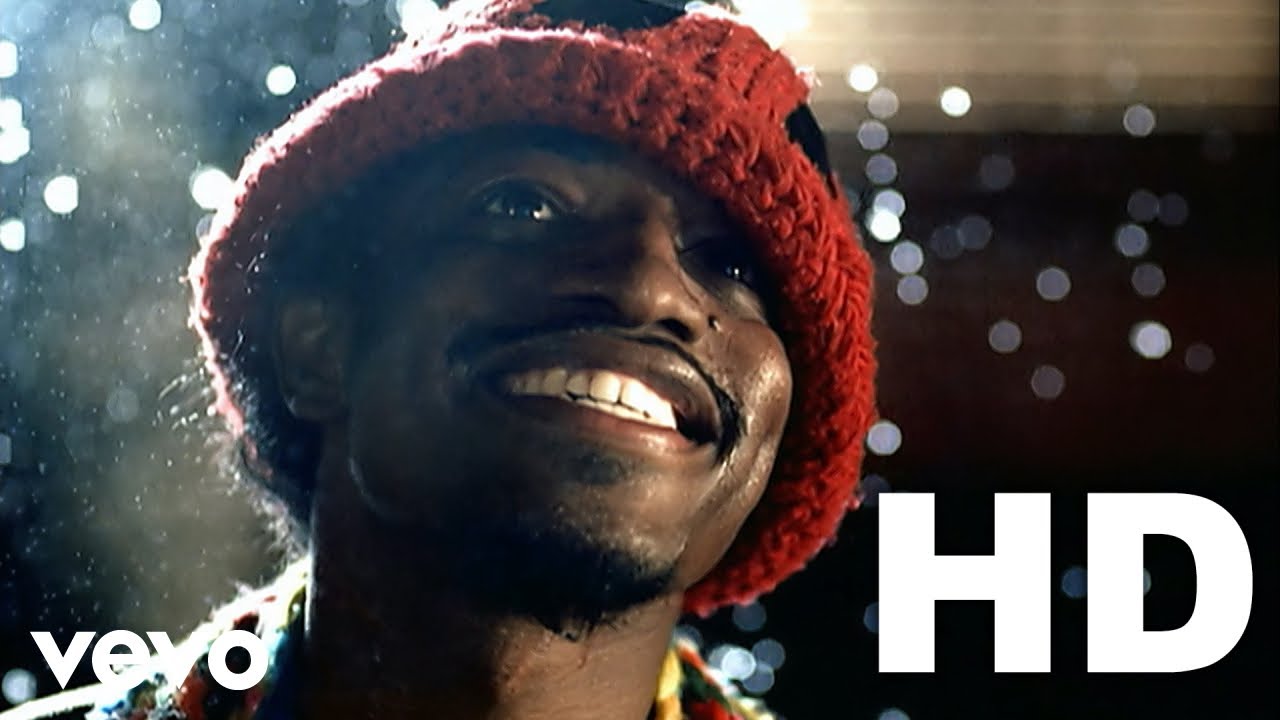
OutKast
André 3000 and Big Boi met as teenagers at Lenox Square mall in Atlanta and launched one of hip-hop's most fearless acts. The South got something to say—literally—and hip-hop would never ignore it again.

Allen Iverson
Six feet even, 165 pounds — the crossover, the cornrows, the arm sleeve, and a swagger that rewrote what an NBA player could look like. Allen Iverson didn't just play basketball; he's credited with transforming the league's entire culture.
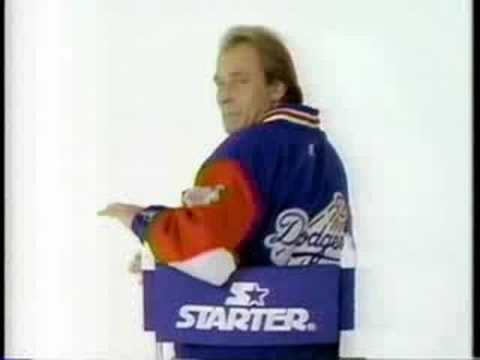
Starter Jackets
Starter's nylon and satin team jackets were the uniform of 90s cool — oversized windbreakers emblazoned with NBA and NFL team logos that transformed playground basketball courts and city streets into stadiums of style. Starter jackets became so coveted they sparked robberies, making them perhaps the decade's most dangerous fashion statement.