The Critic
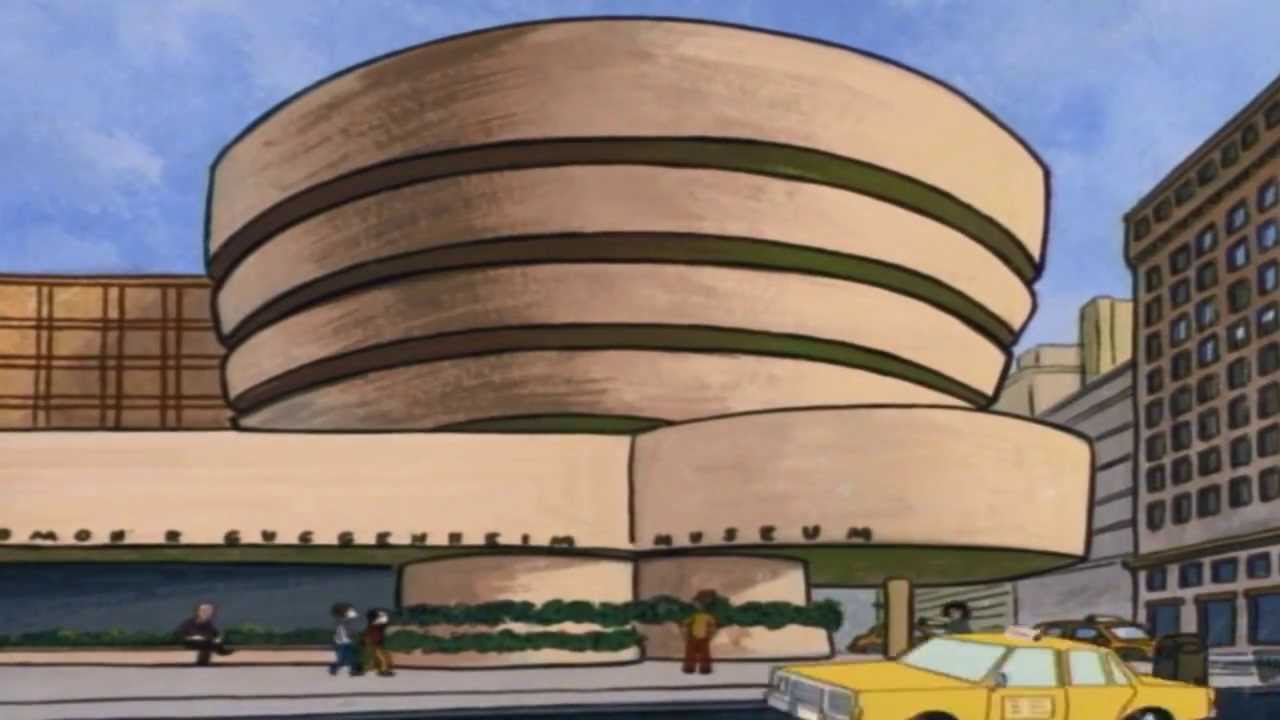
"It stinks!" Jon Lovitz voiced Jay Sherman, a New York film critic — cold and elitist on the air, gentle and self-doubting everywhere else — whose review show tore apart movie parodies like Honey, I Ate the Kids and Abe Lincoln: Pet Detective. Cancelled by two networks in two years, it became one of the 90s' great cult cartoons.
The Critic came from Al Jean and Mike Reiss, writing partners who had run the third and fourth seasons of The Simpsons, with Simpsons godfather James L. Brooks as their fellow executive producer. The show's DNA traces to a spin-off pitch Matt Groening turned down — Jean and Reiss had sketched a series about Krusty the Clown as a single father in New York with a prickly makeup lady and an eccentric mogul boss, and when that died, the concept was reworked around a new lead. Brooks recommended Jon Lovitz for the part based on A League of Their Own, and when Lovitz initially passed because of film commitments, the series became animated at the last moment.
The result was Jay Sherman: a 36-year-old New York film critic hosting a cable review show called Coming Attractions, armed with the catchphrase "It stinks!" Every episode overflowed with movie parodies — a musical Apocalypse Now, The Cockroach King, Scent of a Jackass — and real critics like Gene Siskel, Roger Ebert, and Rex Reed occasionally dropped in to voice themselves. Hans Zimmer wrote the theme.
ABC premiered the show on January 26, 1994, and cancelled it after 13 episodes. Fox picked it up for 1995, scheduled it right after The Simpsons, and promoted it with the famous crossover episode "A Star Is Burns" — but moved it out of the timeslot after five episodes and let it die that May, 23 episodes into its run. It has been called the first major non-family animated sitcom in primetime, and its afterlife proved the audience was there all along: a cult following grew through weekend reruns on Comedy Central, and in 2000–2001 Jay Sherman returned in ten Flash-animated webisodes on AtomFilms and Shockwave.com — an early experiment in reviving a dead show on the internet. By 2006, IGN was ranking The Critic among the top ten primetime animated series ever made.
Similar items

Daria
Daria Morgendorffer—deadpan, sardonic, and thoroughly unimpressed—became the patron saint of 1990s teen-girl outsiderdom. Spun off from Beavis and Butt-Head, this MTV series followed Daria through the town of Lawndale alongside her artsy best friend Jane Lane, her popularity-obsessed sister Quinn, and her perpetually frustrated parents. Created by Glenn Eichler and Susie Lewis Lynn, Daria captured the 90s teen experience with sharp-edged humor and surprising emotional depth. Two final TV movies, 'Is It Fall Yet?' and 'Is It College Yet?', capped off a beloved five-season run.
King of the Hill
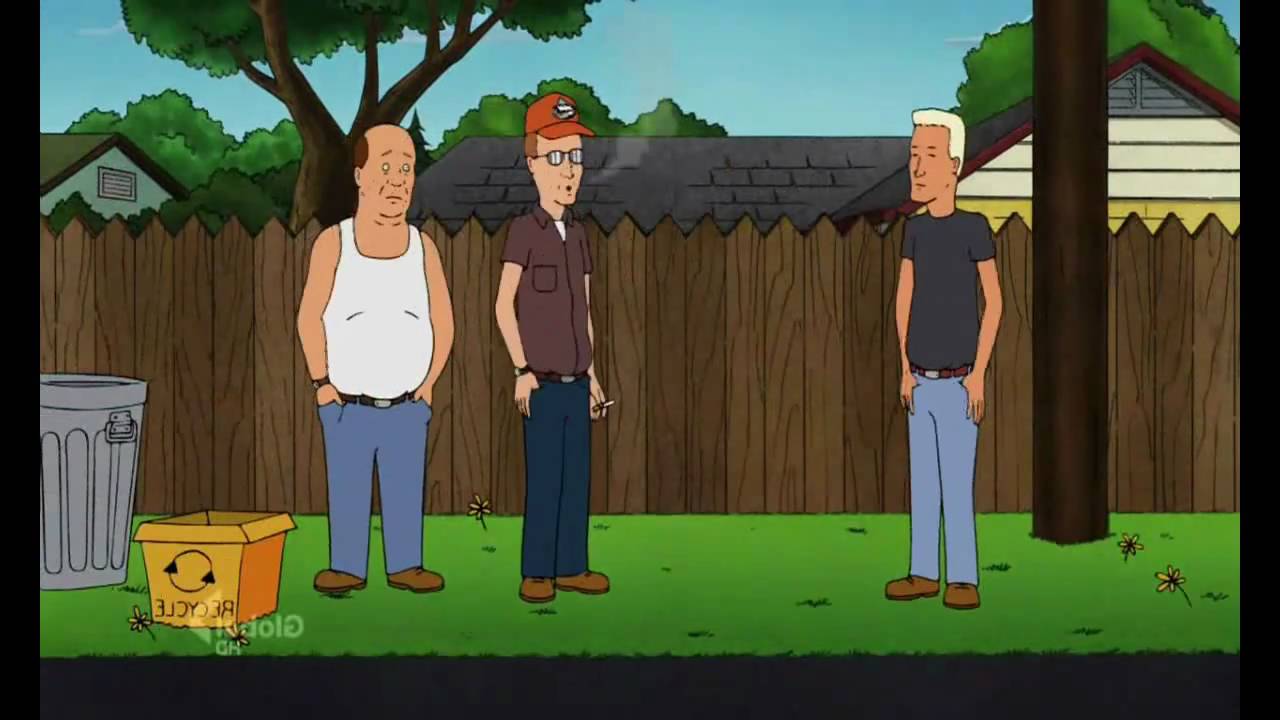
In the fictional Texas suburb of Arlen, Hank Hill tends his post as assistant manager at Strickland Propane—where he sells 'propane and propane accessories' with the understated decency that defines him. Mike Judge and Greg Daniels created a grounded animated comedy that treated its working-class characters with genuine affection, centered on the beer-drinking alley banter of Hank and his neighbors. Premiering on Fox in 1997, King of the Hill won an Emmy in 1999 and became a quiet landmark of late-90s television, proving that a show about a propane salesman could outrun trends and speak to the heart of American ordinariness.

Futurama
Delivery boy Fry cryogenically freezes and wakes in the year 3000 to join a space-shipping crew led by the sardonic Leela and foul-mouthed robot Bender. Created by Matt Groening, this sci-fi comedy was staffed with Ph.D.s—the writers brought genuine math-smart humor and surprising emotional depth. Fox premiered it in 1999, but it became a cult phenomenon on Comedy Central; episodes like 'Jurassic Bark' showed its tearjerking side, and it won six Emmy Awards over its life.
Ally McBeal
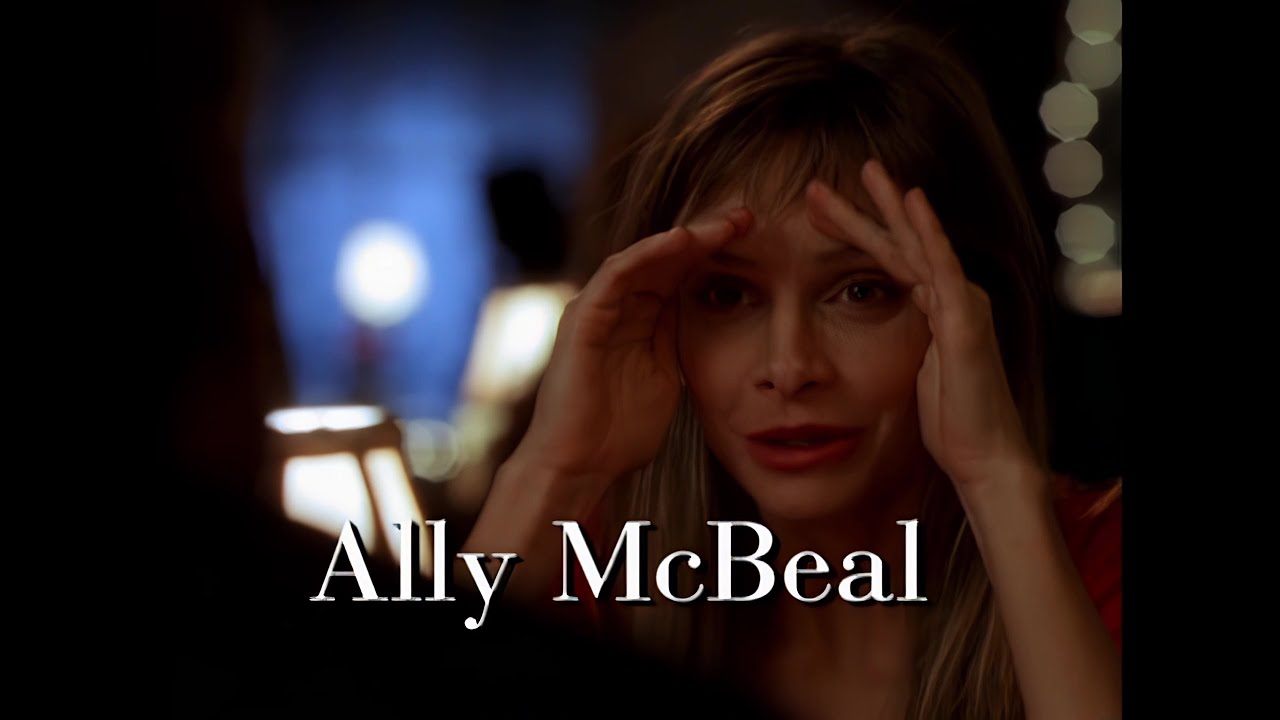
A neurotic Boston lawyer's inner life plays out as bizarre fantasies at Fox's weirdly winning legal dramedy. The dancing baby became one of the internet's earliest viral images; the show became a feminist flashpoint.