Dr. Katz, Professional Therapist

A wiggling, half-sketched therapist nodding along while Ray Romano, Dave Chappelle or Conan O'Brien did their act from the couch, between breakfasts with his aimless son Ben. Comedy Central's first animated series, drawn in a cheap technique called Squigglevision, ran from 1995 to 2002 and won a Peabody along the way.
Dr. Katz, Professional Therapist was created by the comedian Jonathan Katz and Tom Snyder, whose Boston production company had used the technique in educational animation, for Comedy Central, where it premiered on May 28, 1995, two years before South Park. The idea solved two problems at once. Popular Arts Entertainment wanted a way to repurpose recorded stand-up material, so the early patients were comics simply reciting their acts, and cable animation had to be cheap, which Snyder's Squigglevision delivered: five slightly different drawings looped in Autodesk Animator so that every outline constantly quivered, which Snyder called "economy of motion." Tom Snyder Productions did the hands-on work.
Each episode put Dr. Katz through two sessions with guest patients, played by well-known comics and actors, and in between followed his laid-back life: breakfast with his childish 24-year-old son Ben, voiced by H. Jon Benjamin; his uninterested secretary Laura, voiced by Laura Silverman; and drinks with his friend Stanley and the bartender Julie. Dom Irrera and Ray Romano were the most frequent patients, with Louis C.K., Emo Philips, Dave Attell, Conan O'Brien, Janeane Garofalo, Jon Stewart, Mitch Hedberg, Patton Oswalt, Garry Shandling and David Duchovny among the others. The conversations between Katz and Ben were largely improvised through what the show called retroscripting, a loose outline with ad-libbed dialogue, and most episodes ended with music swelling and Katz telling his patient, "Well, you know what that music means. Our time is up."
Katz won a Primetime Emmy for voice-over performance in 1995 and the show took a Peabody Award in 1998; a comic strip ran in newspapers through the Los Angeles Times Syndicate from 1997 to 1999. The sixth season, which began in June 1999, dribbled out strangely: six episodes aired at once, nine more in a Christmas Eve marathon, and the final three not until February 13, 2002. The retroscripting and the Squigglevision moved on to Home Movies with much of the same crew. Katz, who was diagnosed with multiple sclerosis in 1996, revived the format as live stage shows from 2007, with a surprise Robin Williams appearance at a 2008 San Francisco performance, and as an Audible series in 2017.
Similar items
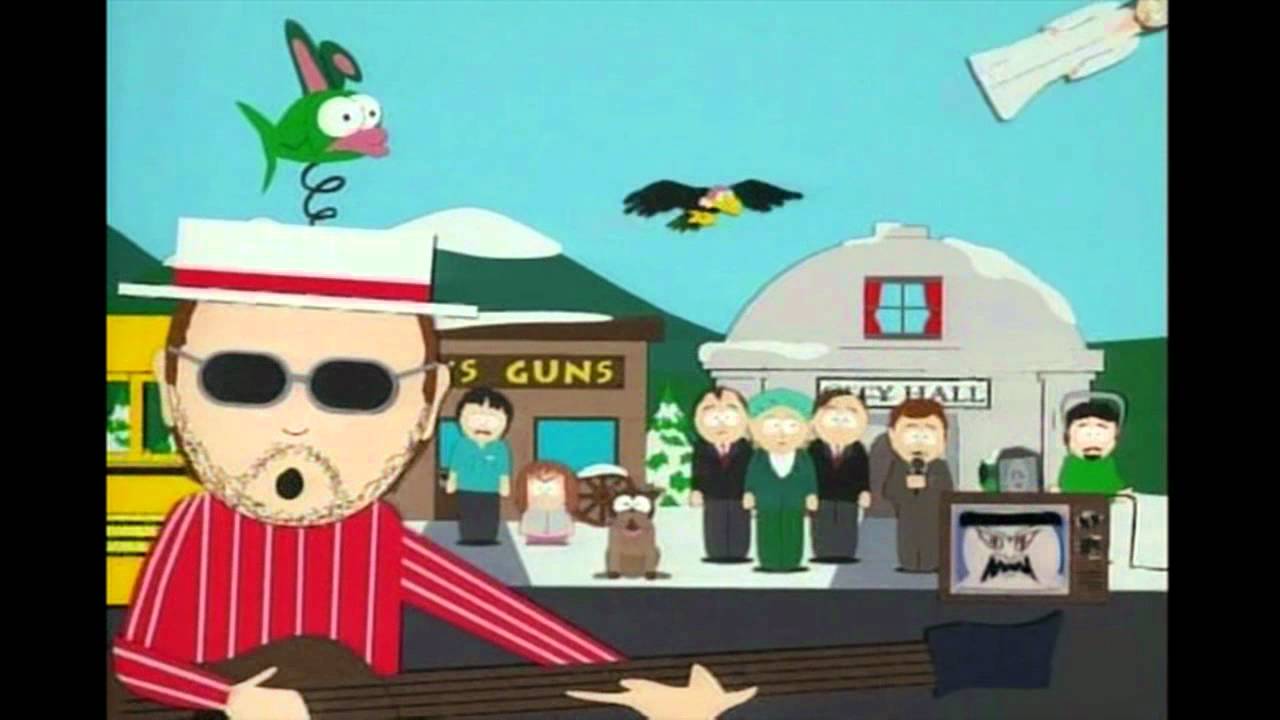
South Park
The construction-paper kids from Colorado who never stopped talking. South Park arrived in 1997 as basic cable's biggest shock — then spent the 2000s proving it was television's fastest satire machine, with episodes built in days so it could mock the news while it was still news.
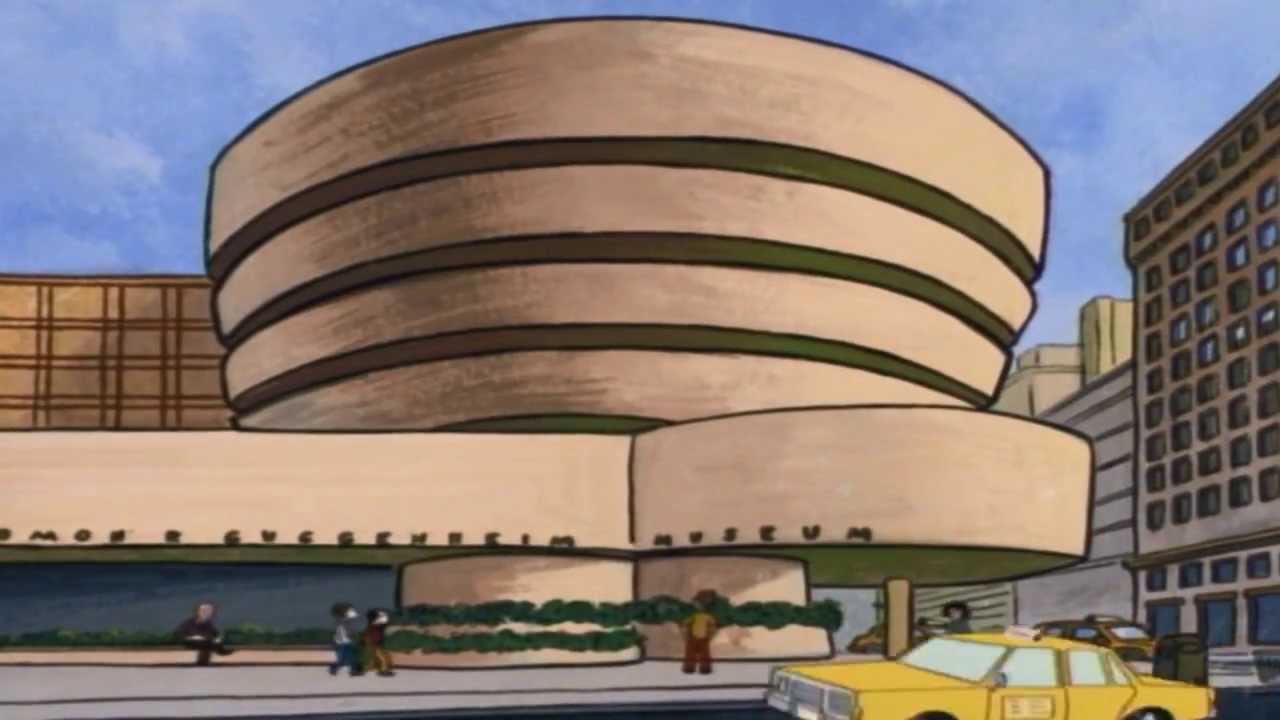
The Critic
"It stinks!" Jon Lovitz voiced Jay Sherman, a New York film critic — cold and elitist on the air, gentle and self-doubting everywhere else — whose review show tore apart movie parodies like Honey, I Ate the Kids and Abe Lincoln: Pet Detective. Cancelled by two networks in two years, it became one of the 90s' great cult cartoons.

Mystery Science Theater 3000
A guy in a jumpsuit and two wisecracking robots, silhouetted against the worst movies ever made, talking back to the screen so you didn't have to. Mystery Science Theater 3000 turned bad cinema into appointment comedy — and taught a generation that heckling could be an art form.

Space Ghost Coast to Coast
A 1960s Hanna-Barbera superhero, recycled into a late-night talk-show host who interviews real celebrities on a monitor and rarely understands their answers. Space Ghost Coast to Coast was one of Cartoon Network's first original series, the precursor to Adult Swim, and the reason a generation of teenagers stayed up past 11 on Friday nights.