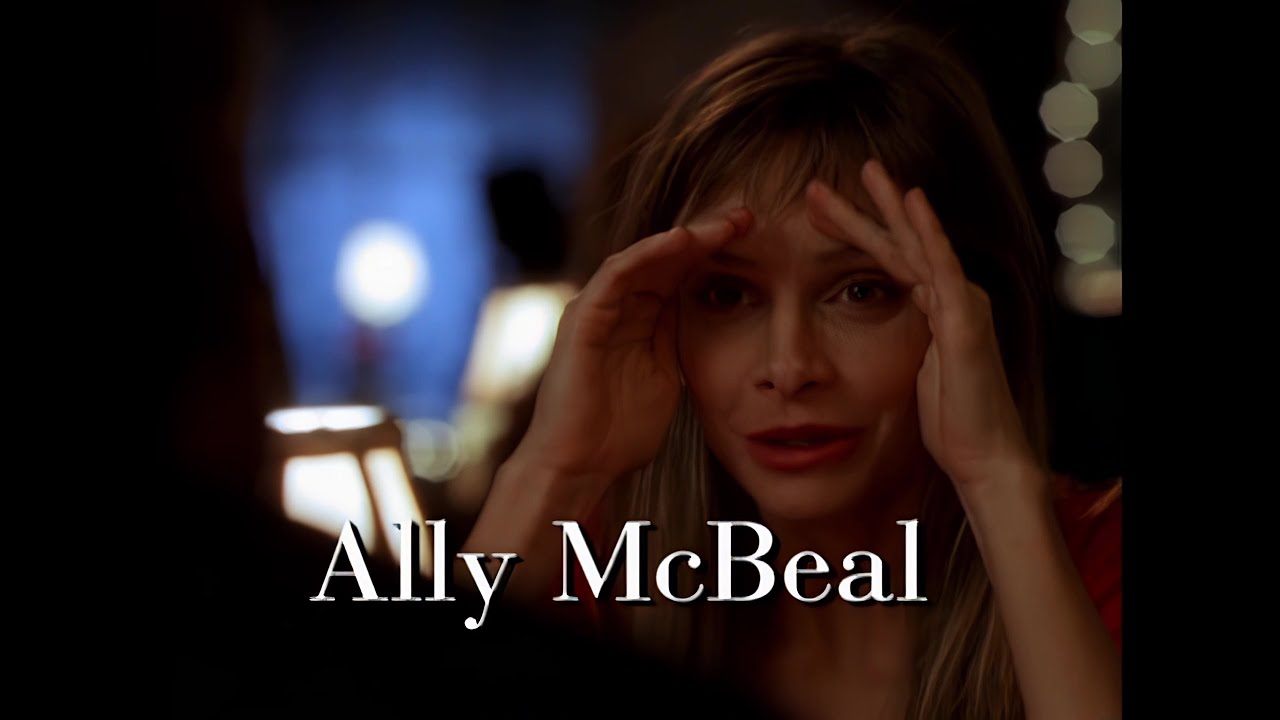
Ally McBeal
A neurotic Boston lawyer's inner life plays out as bizarre fantasies at Fox's weirdly winning legal dramedy. The dancing baby became one of the internet's earliest viral images; the show became a feminist flashpoint.
18 items
A neurotic Boston lawyer's inner life plays out as bizarre fantasies at Fox's weirdly winning legal dramedy. The dancing baby became one of the internet's earliest viral images; the show became a feminist flashpoint.

Fox's juggernaut singing competition that made appointment television relevant again. Premiering June 11, 2002, American Idol invited America to vote for the next big pop star—and for most of the 2000s, you couldn't escape it. Kelly Clarkson's season-one victory launched her career and countless memes about Simon Cowell's withering critiques.

Jeff Foxworthy watching grown adults discover they cannot pass elementary school. Ten questions pulled from grade-school textbooks, a panel of actual fifth graders to lean on, and the walk of shame where you faced the camera and confessed: "I am not smarter than a 5th grader."

A razor-sharp comedy about a wealthy, deeply dysfunctional real-estate family, canceled after just three seasons on Fox but too clever to fade. Low ratings, massive critical acclaim, and jokes that rewarded rewatching — there was always money in the banana stand. When Netflix revived it, the show's legacy finally caught up to its ambition.

Brandon and Brenda Walsh move from Minneapolis into a zip code where everyone is gorgeous and every episode is a very special one. Fox's decade-long teen soap made Jason Priestley and Luke Perry into locker-poster royalty and built the genre every later teen drama moved into.
Bruce Campbell's chin under a cowboy hat: a Harvard-educated lawyer turned bounty hunter, an outlaw gang to catch, and a mysterious golden Orb granting superhuman strength. Fox gave it one Friday-night season — viewers voted to save it in TV Guide's poll, and Fox canceled it anyway. The cult never let go.
The Griffin family of Quahog, Rhode Island—led by bumbling dad Peter, his wife Lois, and their motley crew of kids and pets—became a Fox phenomenon after its Super Bowl XXXIII premiere in 1999. A sharp departure from typical sitcom fare, Family Guy was built on rapid-fire cutaway gags and irreverent humor. Though Fox canceled it after just three seasons, a DVD renaissance in 2003 became so successful it sparked a network reversal—the show's comeback is considered television's first revival based on DVD sales.

Delivery boy Fry cryogenically freezes and wakes in the year 3000 to join a space-shipping crew led by the sardonic Leela and foul-mouthed robot Bender. Created by Matt Groening, this sci-fi comedy was staffed with Ph.D.s—the writers brought genuine math-smart humor and surprising emotional depth. Fox premiered it in 1999, but it became a cult phenomenon on Comedy Central; episodes like 'Jurassic Bark' showed its tearjerking side, and it won six Emmy Awards over its life.

Keenen Ivory Wayans brought irreverent Black sketch comedy to primetime and stacked the cast with unknowns named Jim Carrey, Jamie Foxx, and David Alan Grier — while the Fly Girls' dance breaks included a young Jennifer Lopez. It won an Emmy in its first season, and its live Super Bowl halftime stunt rewrote how the NFL books the big game.
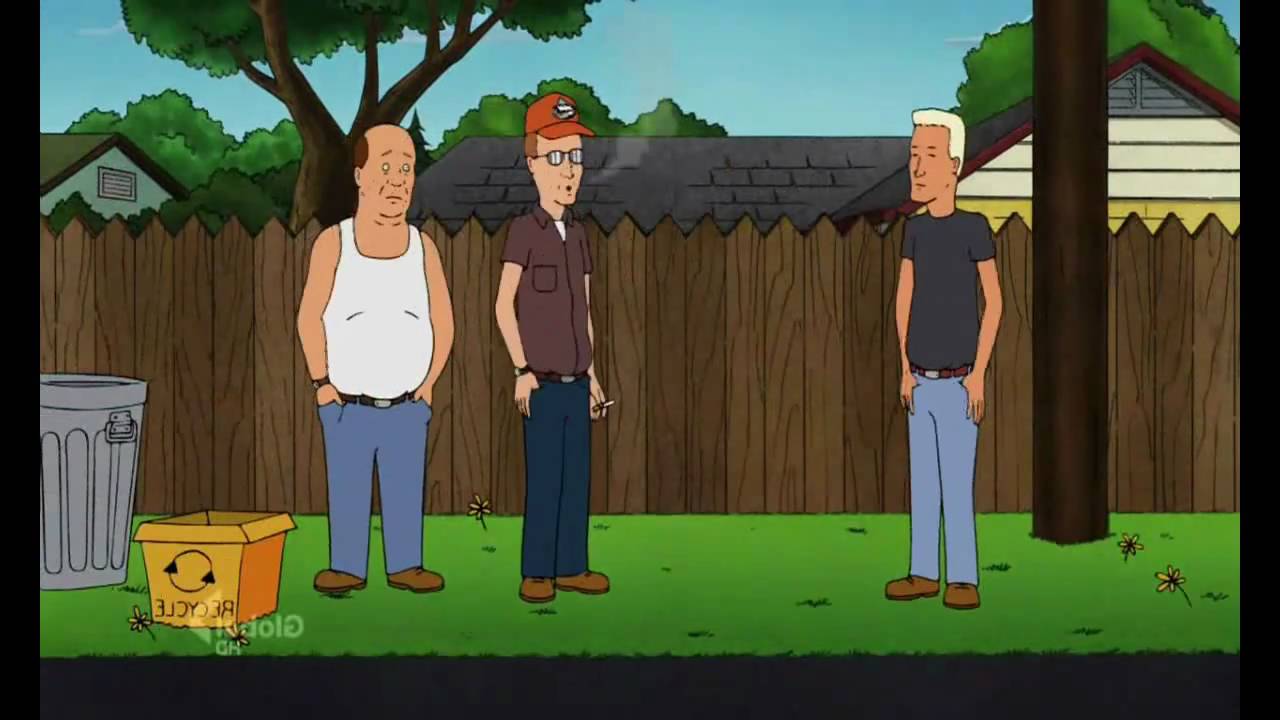
In the fictional Texas suburb of Arlen, Hank Hill tends his post as assistant manager at Strickland Propane—where he sells 'propane and propane accessories' with the understated decency that defines him. Mike Judge and Greg Daniels created a grounded animated comedy that treated its working-class characters with genuine affection, centered on the beer-drinking alley banter of Hank and his neighbors. Premiering on Fox in 1997, King of the Hill won an Emmy in 1999 and became a quiet landmark of late-90s television, proving that a show about a propane salesman could outrun trends and speak to the heart of American ordinariness.

Six friends, two apartments, one Brooklyn brownstone — a year before Friends existed. Queen Latifah's magazine boss Khadijah, Kim Fields's diva Régine, Erika Alexander's razor-tongued lawyer Maxine, and the guys upstairs — the Brooklyn hangout sitcom that did it all first.
Malcolm's a genius, he lives with a gloriously chaotic family, and yes, he's going to tell you about it — directly, to your face. "Life is unfair" was the whole thesis. Fox's Malcolm in the Middle reinvented the family sitcom by ditching the laugh track and the studio audience, and its second episode pulled 26 million viewers.

Fox's first primetime series and television's proudest anti-family sitcom: Al Bundy the hard-luck shoe salesman, Peggy, Kelly, Bud, the couch, and Sinatra singing "Love and Marriage" over it all. A 1989 boycott meant to kill it instead made it huge — and after 11 seasons it vanished without a finale.

Aaron Spelling's West Hollywood courtyard complex where every attractive young neighbor was secretly scheming against the rest. Heather Locklear's Amanda Woodward ran the building like a shark tank, and by the time Dr. Kimberly Shaw blew the place up, Melrose Place had become the guiltiest pleasure on 90s television.

A band of travelers trapped sliding through parallel universes, each one stranger than the last, racing against a countdown timer to find their way home. Jerry O'Connell led this 1990s cult sci-fi favorite through five seasons and two networks.

The basement circle — six teenagers lounging while the camera spun lazily around them, over and over. That '70s Show made the '70s look retroactively cool and turned Ashton Kutcher and Mila Kunis into household names. Nostalgia about nostalgia: a show made at the turn of the millennium about 1976, set in a fictional Wisconsin basement everyone wished was theirs.
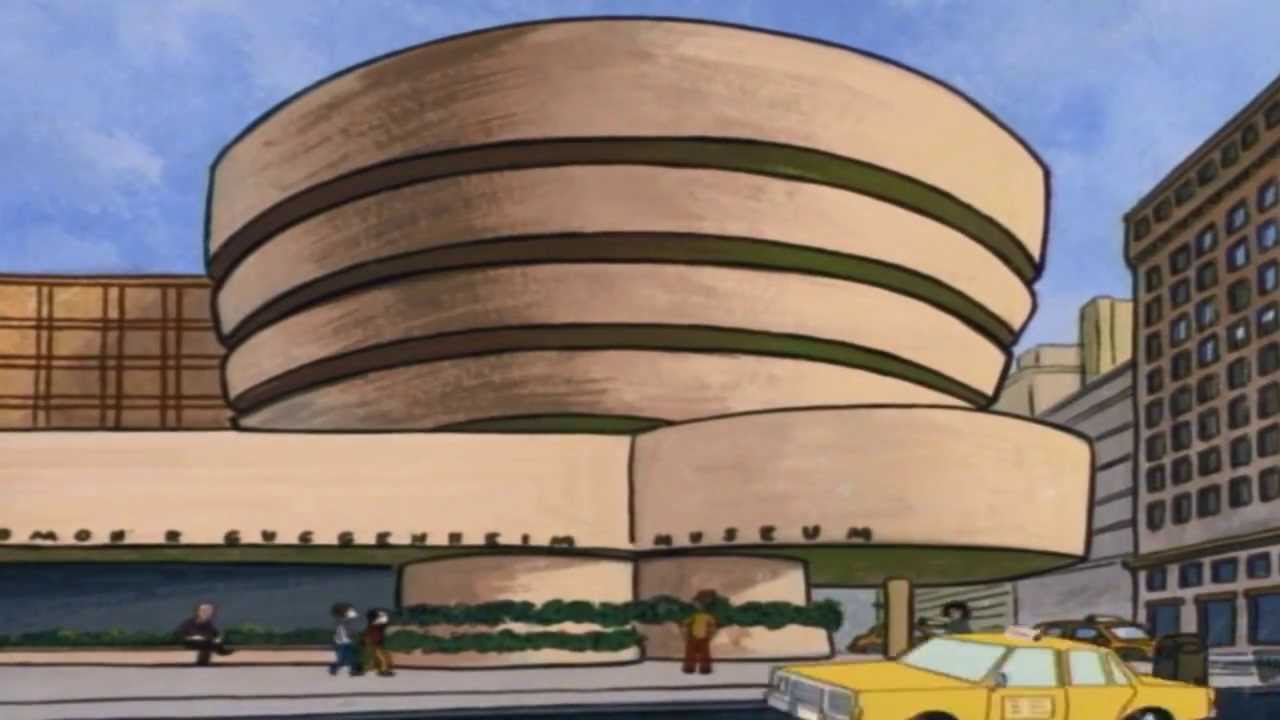
"It stinks!" Jon Lovitz voiced Jay Sherman, a New York film critic — cold and elitist on the air, gentle and self-doubting everywhere else — whose review show tore apart movie parodies like Honey, I Ate the Kids and Abe Lincoln: Pet Detective. Cancelled by two networks in two years, it became one of the 90s' great cult cartoons.

The show that made indie rock cool, gave us Chrismukkah, and turned Newport Beach into the center of the universe. Josh Schwartz's The O.C. launched a thousand emo haircuts and a meme that won't die.