#Phone

10 items

Video thumbnail — 1-800-Collect David Spade Grunge Ad 1994
Trends 1993–2005 peak

1-800-COLLECT

Dial 1-800-COLLECT and let the operator know you're calling collect — MCI's dial-around service promised cheaper collect calls than your payphone's default carrier. One of the most aggressively advertised services of the 1990s, it burrowed into Gen X's brain via TV spots with celebrity spokespeople.

Video thumbnail — Motorola Razr V3 Commercial
Tech 2004–2007

Motorola Razr

The Razr V3 launched in late 2004 as the world's thinnest clamshell phone at a shocking $500. Its anodized-aluminum body, laser-etched keypad, and impossible thinness made it a fashion statement. When the price dropped in 2005–2006, everyone had one—and snapping it shut after a call was the whole point.

Video thumbnail — Nokia 3310 Commercial
Tech 2000–2005

Nokia 3310

The brick phone that became a meme—Nokia's 3310 was the phone that survived drops that would kill any modern device. Released in 2000 and sold over 126 million times, it was famous for its indestructibility, the built-in Snake II game, interchangeable colored covers, and the iconic Nokia tune ringtone. It was the anti-smartphone years before the smartphone era, representing the peak of durable simplicity.

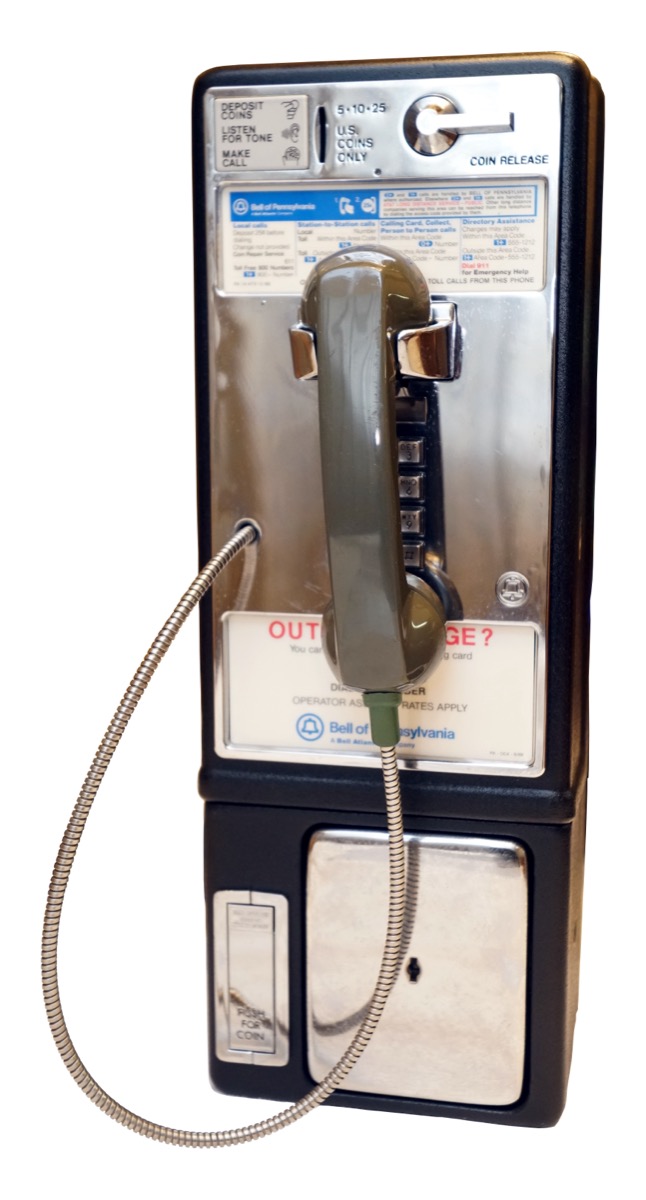
A Bell of Pennsylvania coin-operated payphone with a chrome faceplate, dial-instruction card, and metal-armored handset cord
Tech 1990–2007

Pay Phones

Coin-operated public telephones on street corners, in malls, and outside every gas station — the fallback when you needed to call home or were out of pocket change. At their 1990s peak, the US had over 2 million payphones; by the 2010s, they'd nearly vanished.

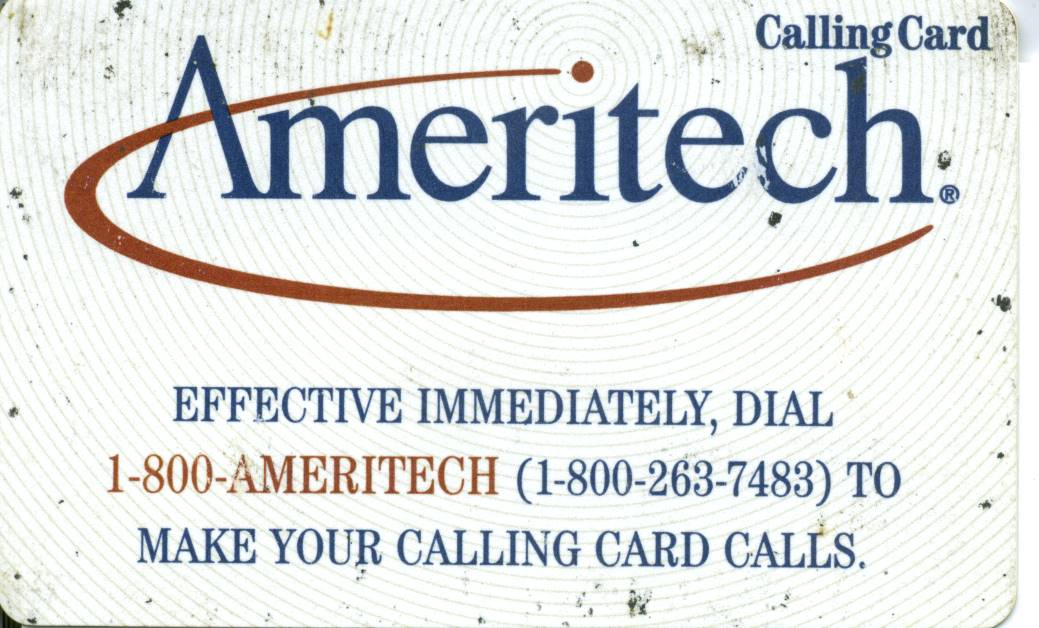
An Ameritech prepaid calling card reading 'Effective immediately, dial 1-800-AMERITECH to make your calling card calls'
Tech 1992–2005

Prepaid Phone Cards

Scratch off the panel, punch in the PIN, dial the access number, and talk until your minutes ran out — prepaid phone cards were the pre-cell-plan answer to long-distance calls and international dialing. Stacked in convenience stores and gas stations, they were lifelines for travelers and immigrants.

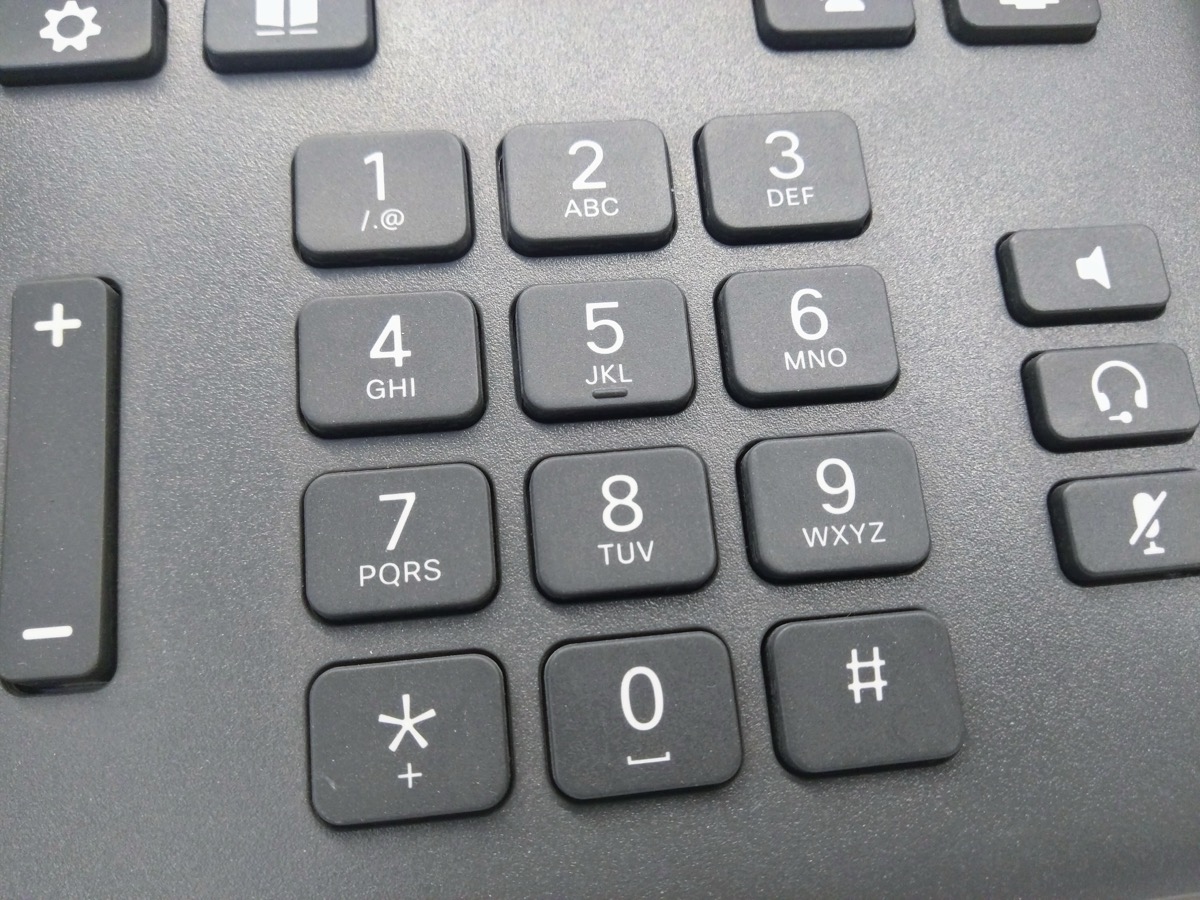
Close-up of a landline telephone number keypad showing the 1-9, 0, star and pound keys with letter groupings
Trends 1990s

Star Codes (*67 & *69)

Dial *67 before someone's number to block your caller ID and appear as 'Private' — the anonymous call superpower every 90s kid knew. Dial *69 to find out who just called you and call them back. Two simple codes that transformed what you could do from a landline.

Video thumbnail — Jamster Sweety the Chick Mobile Ringtone commercial [2005, HQ]
Trends 1999–2008

T9 Texting & Ringtones

Typing "home" and getting "good," texting blind from inside your pocket, and a computerized frog selling ringtone subscriptions between every cartoon. The whole keypad-phone universe, in one glorious, beeping memory.

Video thumbnail — Vintage Commercial - US WEST Caller ID Box
Tech 1989–2000

Caller ID Box

A little LCD slab that sat beside the phone and did exactly one thing: showed you who was calling before you picked up. For about a decade, knowing that required buying a second device and paying the phone company a monthly fee for the privilege. Then telephones learned to do it themselves and the box quietly vanished.

Video thumbnail — Blackberry commercial from 2008
Tech 2005–2010 peak

BlackBerry

The thumb-typed email machine that owned the boardroom, then the teen universe — the hottest phone in America right up until the iPhone ate it. Push email, the blinking red light, BBM: BlackBerry was so addictive that Webster's New World made "CrackBerry" its 2006 Word of the Year.

Video thumbnail — When Seconds Matter: Nextel Direct Connect
Trends 1996–2013

Nextel Push-to-Talk Chirp

The two-tone chirp that echoed across every construction site, warehouse, and parking lot of the 2000s. Nextel's Direct Connect made a cellphone work like a walkie-talkie — press the side button, talk instantly — and everyone within fifty feet heard both sides of the conversation.