
Airheads
The stretchy, tangy taffy bar in the loud mylar wrapper — Blue Raspberry stained your tongue, and White Mystery was a gamble by design. Fifty cents of pure lunchbox status.
26 items
The stretchy, tangy taffy bar in the loud mylar wrapper — Blue Raspberry stained your tongue, and White Mystery was a gamble by design. Fifty cents of pure lunchbox status.

Hershey's entry into the gummy-bear wars, forever burned into memory by TV commercials of little bears who sang like a choir. For a lot of 90s kids, it was the first gummy bear they ever met.
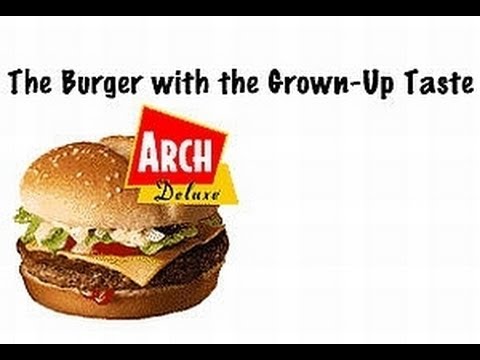
McDonald's 1996 gamble: a quarter-pound burger on a potato-flour bun with peppered bacon, Dijonnaise, and a mandate to drag the golden arches upmarket. The ads showed kids recoiling from its sophistication — "kids hate it" was the actual pitch. It's remembered as one of the most expensive flops in fast-food history.
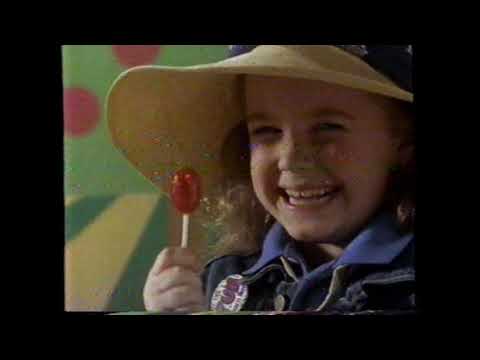
The two-stage candy: a hard sour shell you worked through to reach the bubble gum hiding in the middle. Sour Apple if you were smart, Blue Razz if you were right. The teacher's candy jar and the corner store were never without them.
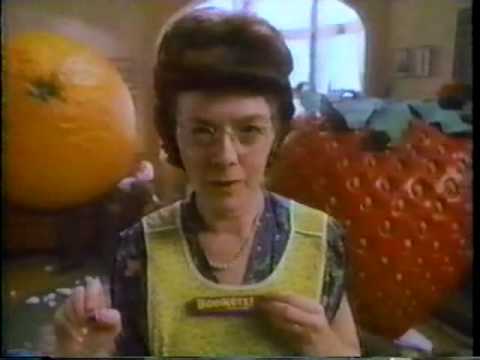
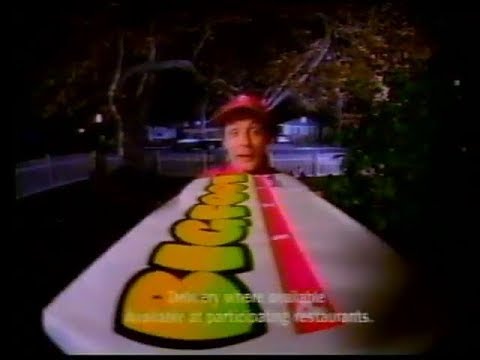
Chewy rectangular fruit candies with a tangy center, sold on the back of some of the most surreal commercials of the era — a giant piece of fruit dropping out of the sky to flatten some unsuspecting bystander. 'Bonkers! Bonks you out!'

Burger King's mini-burger saga: first Burger Bundles, whose tiny patties fell through the flame-broiler, then Burger Buddies — a single figure-eight patty on conjoined buns, made to be torn into two little cheeseburgers for 99 cents. A novelty born from an engineering failure.

Burger King's animated kids-meal gang, launched 1990: Kid Vid, I.Q., Boomer, Snaps, Wheels, Lingo, Jaws, and J.D. the dog. They lived on tray liners, toy packaging, and Saturday morning TV — except there was no show. The characters were the marketing.

Tiny slices of French toast in a cereal bowl, syrup flavor baked into every piece — Cinnamon Toast Crunch's mid-'90s sister cereal. Discontinued in the U.S. in 2006, mourned for eight years, and brought back by popular demand in its original tiny-toast shape.
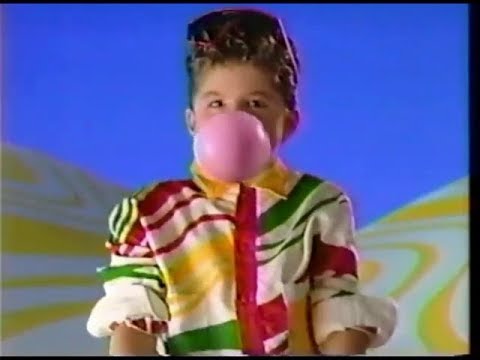
Rainbow-striped sticks of gum fronted by Yipes the zebra, whose wrappers doubled as temporary tattoos. A childhood staple you unwrapped as much for the tattoo as for the gum itself.

Life Savers, but chewy — the rolls of squishy rings that instantly made the hard-candy originals feel like something from grandma's purse. Peeling back the foil, thumbing one off the stack, and stretching it before eating it was the entire mid-90s candy experience.

General Mills cereal that turned breakfast into a treasure hunt: sweet corn squares that all looked identical, but only some were filled with a hidden fruity center. Every spoonful was a gamble on whether you'd struck gold or bitten into an empty.
Pudding on a stick — not ice cream, not a popsicle, but the texture of chilled pudding frozen solid, with that thin frost layer straight from the box. A 1981 hit whose glow carried through '90s childhoods, revived and rejected in 2004, and gone by the early 2010s.

The soda that made a virtue of overkill: 'All the sugar and twice the caffeine.' The unofficial fuel of all-nighters, cram sessions, and anyone with a deadline and no intention of sleeping.
PepsiCo's high-energy guaraná drink, marketed as "Better do the good stuff now" and remembered for its dark snarling-cat branding. Often credited as the first energy drink from a major U.S. beverage company, it arrived years ahead of the energy-drink boom — and was gone by 1999.

Keebler's pizza-flavored snack chips made from pizza dough, sold on the promise that they 'taste like real pizza, only louder.' A crunchy shot of Zesty Pepperoni or Pizza Supreme straight from the pantry.
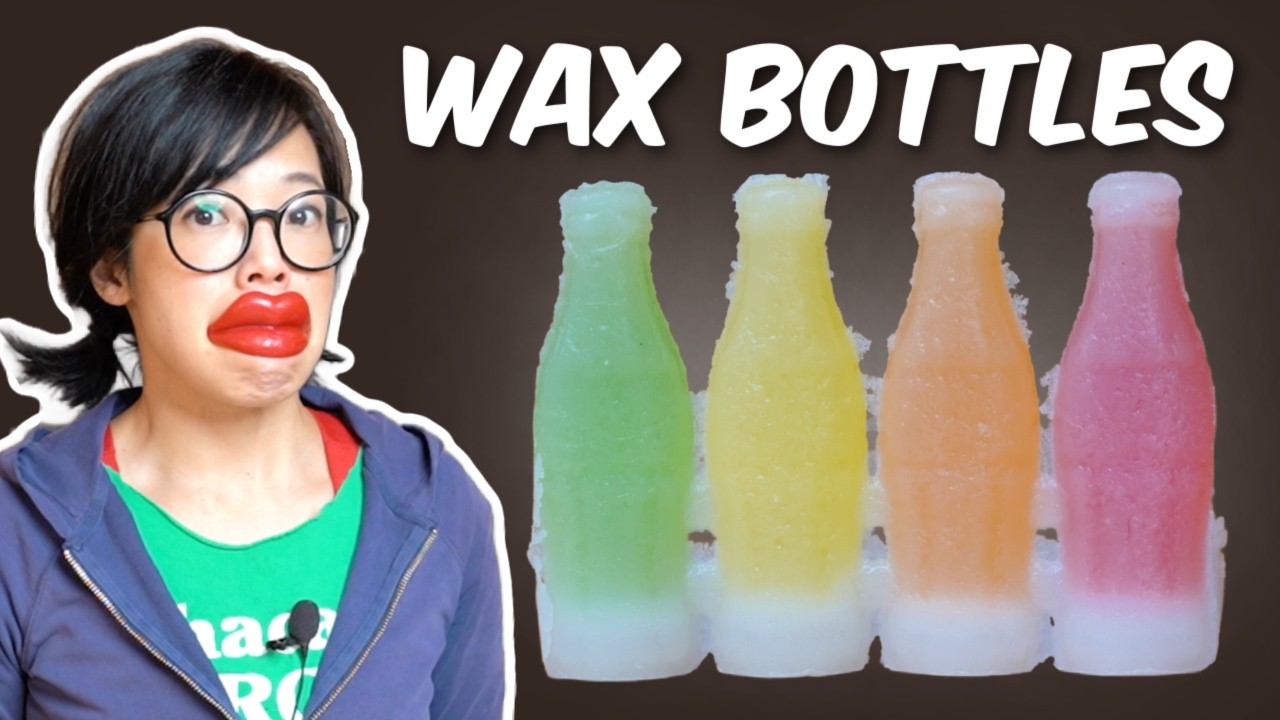
Tiny wax bottles filled with a swallow of sweet, fruit-flavored syrup. You bit the top off, drank the little sip inside, and then — the part that made no sense and everyone did anyway — chewed the leftover wax like gum.

Coca-Cola's aggressively ironic mid-'90s experiment: a soft drink built on market research showing that "OK" was the most recognizable word on Earth. The gray neo-noir cans were illustrated by alternative-comics artists Daniel Clowes and Charles Burns, the slogan promised only that "Things are going to be OK," and the whole thing was dead within a year.

The 'potable lava lamp' — a clear fruit drink with little colored gel balls eerily suspended throughout the bottle. It looked incredible on the shelf, tasted divisive, and vanished almost as fast as it appeared.
A snack that lived in the middle ground between a cookie and a candy bar: a graham-cookie shell shaped like a peanut, filled with peanut-butter creme, and gone too soon. Planters' PB Crisps captured their moment so perfectly they became permanently regretted.

Mars's turn-of-the-'90s creation: a square of whole-grain cookie topped with creamy peanut butter, enrobed in milk chocolate studded with crunchy cookie bits. It became legendary not for its sales — which were solid — but for the family politics behind its disappearance.
Two square feet of rectangular pizza cut into 21 slices — Pizza Hut's largest product and its loudest shot in the '90s value-pizza war. Even the marketing was oversized: the Bigfoot advertising blimp crashed onto a Manhattan apartment roof during the pizza's 1993 launch summer.
The ice cream truck treat with a surprise at the bottom: a conical cup of ice cream hiding a bubble-gum ball down at the point of the cone. Eat your way to the bottom, then keep chewing.

General Mills' star-shaped cereal, every piece coated in multi-colored sprinkles like a birthday cake you were allowed to eat for breakfast. Pitched by a genie who granted exactly one wish: more sprinkles.

Keebler's 1985 answer to casual-dining excess: a thick, crunchy chip shaped like a baked-potato half and made with real potato skins — the loaded-skins appetizer, translated into a bag. Heavy and satisfying in a way regular chips could not match.

Post's maple-syrup-scented cereal shaped like tiny waffles — the smell hit you the second the box opened, like Sunday breakfast poured into a bowl. Sweet enough that the milk at the bottom tasted like dessert.
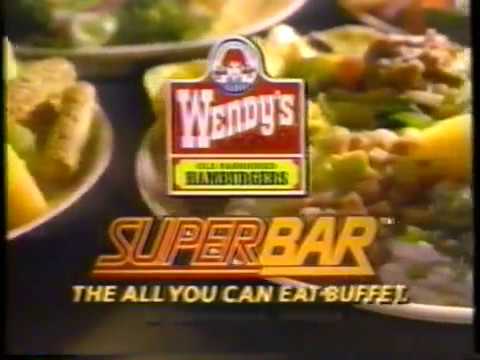
Wendy's all-you-can-eat buffet for $2.99: the Garden Spot, the Mexican Fiesta, and Pasta Pasta, three stations of self-serve freedom inside a burger chain. Popular with customers, brutal on the stores that had to keep it stocked — it was gone by 1998.