Soap Shoes

Sneakers with a slick plastic plate in the arch so you could grind rails like an inline skater — no skates, no board, just shoes and misplaced confidence. Every schoolyard had one kid with Soaps, and that kid had bruises.
Soap shoes were introduced in 1996 by Chris Morris, a former Rollerblade employee in Torrance, California, through his company Artemis Innovations. The pitch was aggressive inline skating distilled to its most portable form: a concave plastic plate embedded in the sole's arch let wearers "grind" handrails, ledges, and pipes, sliding along on the plate the way skaters grind on frames or trucks. No gear to carry, nothing to unstrap when a security guard showed up — the trick was literally built into your shoes.
For a few years around the turn of the millennium, Soaps were the coolest thing a mall could sell you. The marketing peak came in 2001, when Sonic Team put Soap shoes on Sonic the Hedgehog himself: in Sonic Adventure 2, Sonic wears the shoes, grinding is a core game mechanic, and the game's world is dotted with Soap billboards, blimps, and benches. For the players who noticed, it was the most seamless product placement of the era — the fastest thing alive, wearing the shoes from the mall.
The business underneath was less graceful than the grinds. Morris lost control of the Soap license in 2001 amid legal troubles; the brand passed to a company called In-Stride, which went bankrupt in late 2002; and Heeling Sports Limited — the maker of Heelys, the wheel-in-the-heel shoes that were busy conquering the same schoolyards — bought Soap out of the wreckage. Grind plates lived on for a while as a Heelys accessory, but the standalone fad faded as quickly as it had arrived, leaving behind eBay listings, YouTube tutorials, and a generation's worth of tailbone memories.
Similar items

Heelys
Sneakers with a hidden wheel in the heel that made kids feel like they were gliding through the mall in ways shoes were never meant to allow. Schools banned them almost as fast as they sold, malls put up 'no Heelys' signs, and the fad burned from the early 2000s to its 2006–07 peak before the cool factor evaporated.

Tony Hawk's Pro Skater
Activision and Neversoft's skateboarding game, first released in 1999, about chaining tricks into massive combos and collecting the letters S-K-A-T-E across increasingly iconic venues. The punk, ska, and hip-hop soundtrack defined the era. Tony Hawk's Pro Skater 2 (2000) is widely considered the series' peak and one of the best games ever made.
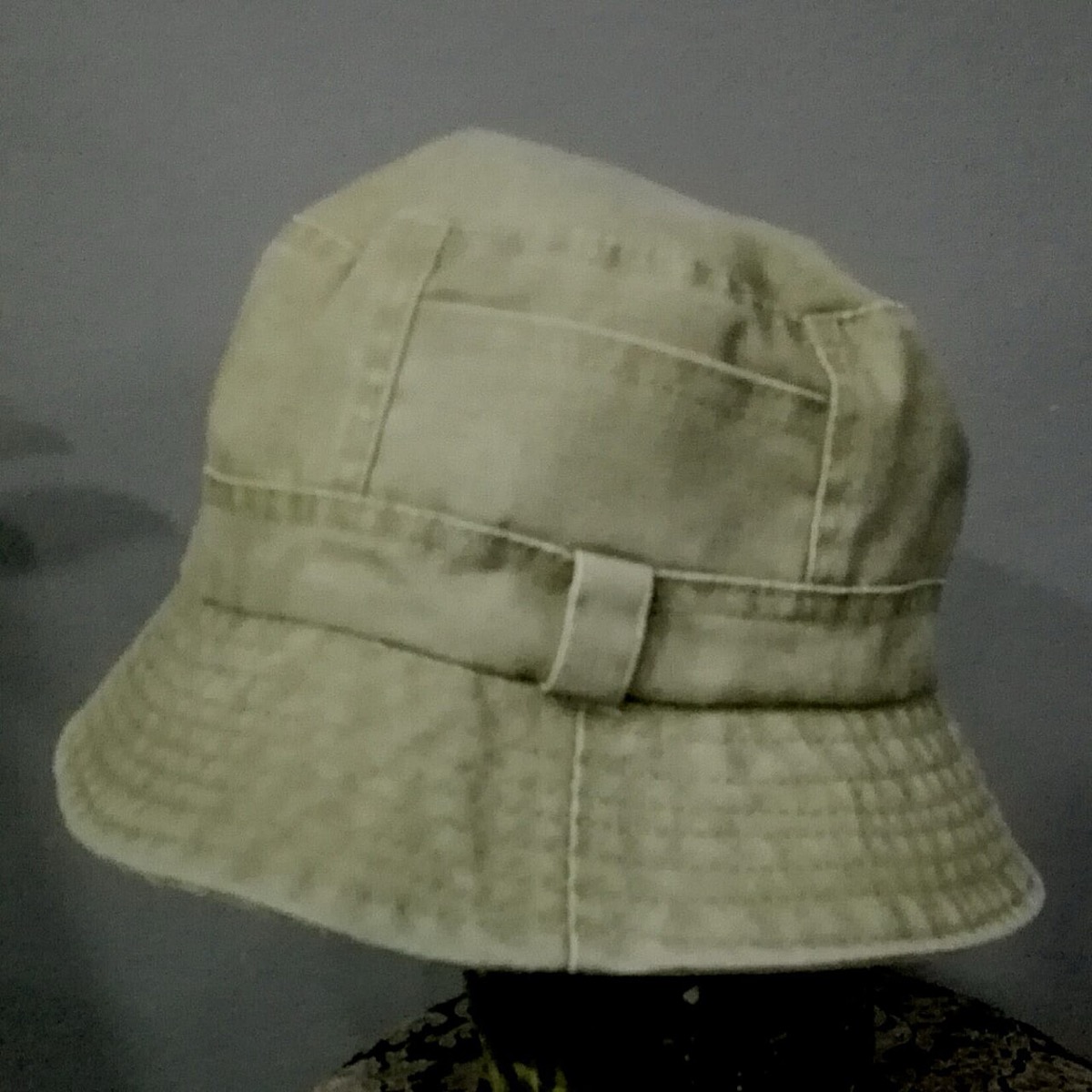
Bucket Hats
A soft crown, a downward brim you never had to shape, and no wrong way to wear it — the bucket hat was the 1990s street-fashion staple that asked nothing of anyone. Rappers made it cool in the '80s; by the '90s it sat on heads that had never heard of its farm-and-fishing past.
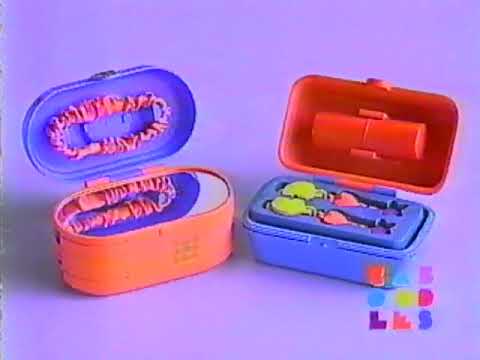
Caboodles
The pastel tackle box that held an entire girlhood: Lip Smackers in the top tray, scrunchies in the well, stickers and secrets underneath. Caboodles turned fishing-gear engineering into the most recognizable object on a '90s bathroom counter — and it all started with a photo of Vanna White.