Caboodles
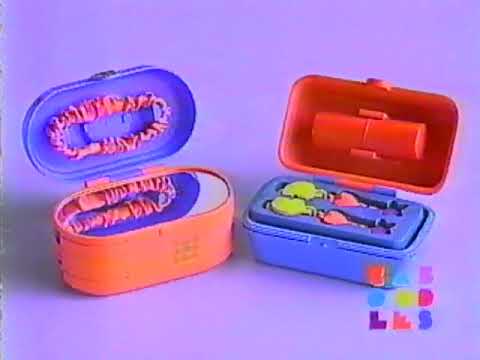
The pastel tackle box that held an entire girlhood: Lip Smackers in the top tray, scrunchies in the well, stickers and secrets underneath. Caboodles turned fishing-gear engineering into the most recognizable object on a '90s bathroom counter — and it all started with a photo of Vanna White.
Caboodles owes its existence to a paparazzi-adjacent moment: in the mid-'80s, a photo circulated of Wheel of Fortune's Vanna White using a plastic fishing tackle box to organize her makeup on set. At the Plano Molding Company — the Illinois outfit best known for actual tackle boxes — somebody recognized a product staring them in the face. In 1987 Plano launched Caboodles with its first case, the On-The-Go Girl: the same cantilevered-tray engineering it sold to fishermen, remolded in colors no bass boat had ever seen. White herself learned of her role only later. 'I did not know I was the one who started the Caboodle,' she said, adding that she felt good about it — she'd grown up going fishing with her dad, tackle box and all.
Through the '90s the Caboodle became standard-issue equipment for American girlhood. It was makeup case, jewelry box, craft bin, sleepover luggage, and secret-keeper all at once — the pastel clamshell where Lip Smackers, butterfly clips, nail polish, and folded-up notes lived together in cantilevered layers. Opening the lid was the point: trays fanning out like a tiny amphitheater of your own stuff. The brand kept refreshing its lineup through the decade as the cases spread through slumber parties and back-to-school aisles.
The afterlife proves how deep it sank in. Caboodles never actually went away — train cases and new lines followed in the 2000s — and the nostalgia economy came calling: the brand marked its 30th anniversary in 2017 by signing Olympic gymnast Simone Biles as a design partner, and a Barbie collaboration revived the early-'90s look outright. Vintage originals now circulate secondhand as period artifacts, usually described the same way: smells faintly of strawberry lip balm, closes with that exact satisfying click.
Similar items
Lip Smackers
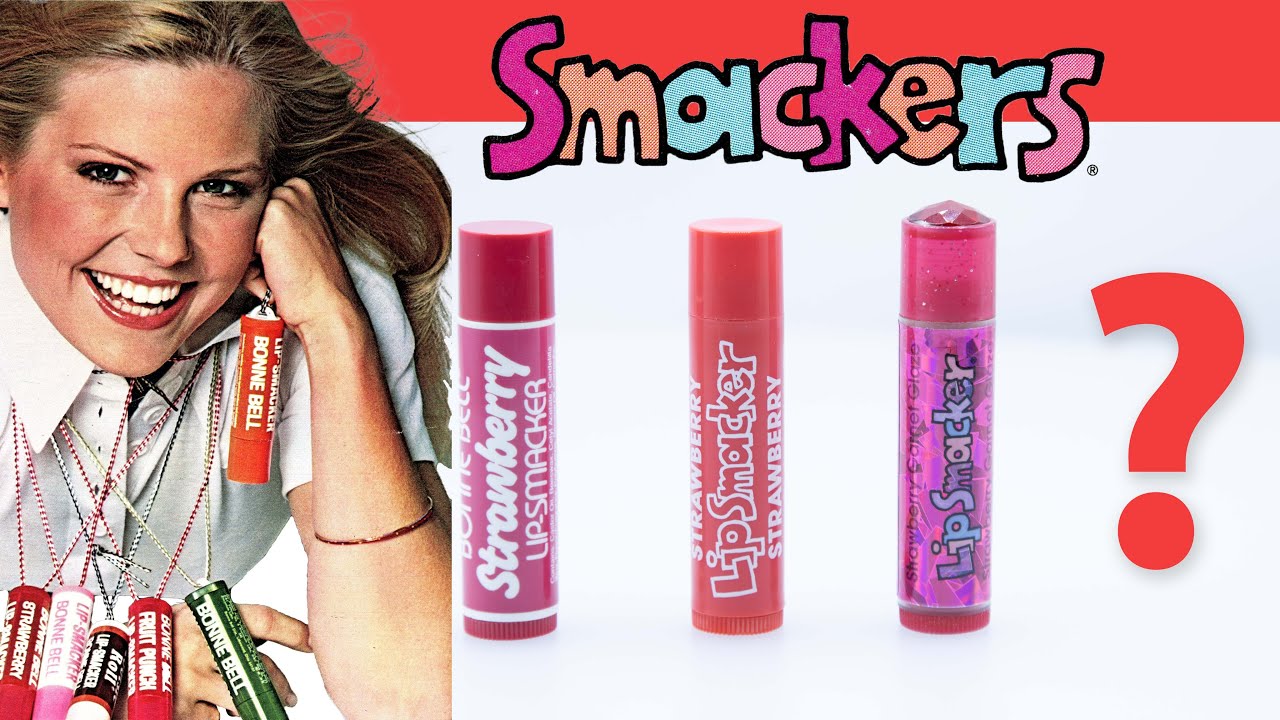
Hoarded in Caboodles and traded at sleepovers like currency, Lip Smackers were the first cosmetic your parents let you own — because it wasn't quite makeup, just flavor. Bonne Bell made them in dozens of flavors, but everyone wanted the Dr Pepper.
Scrunchies
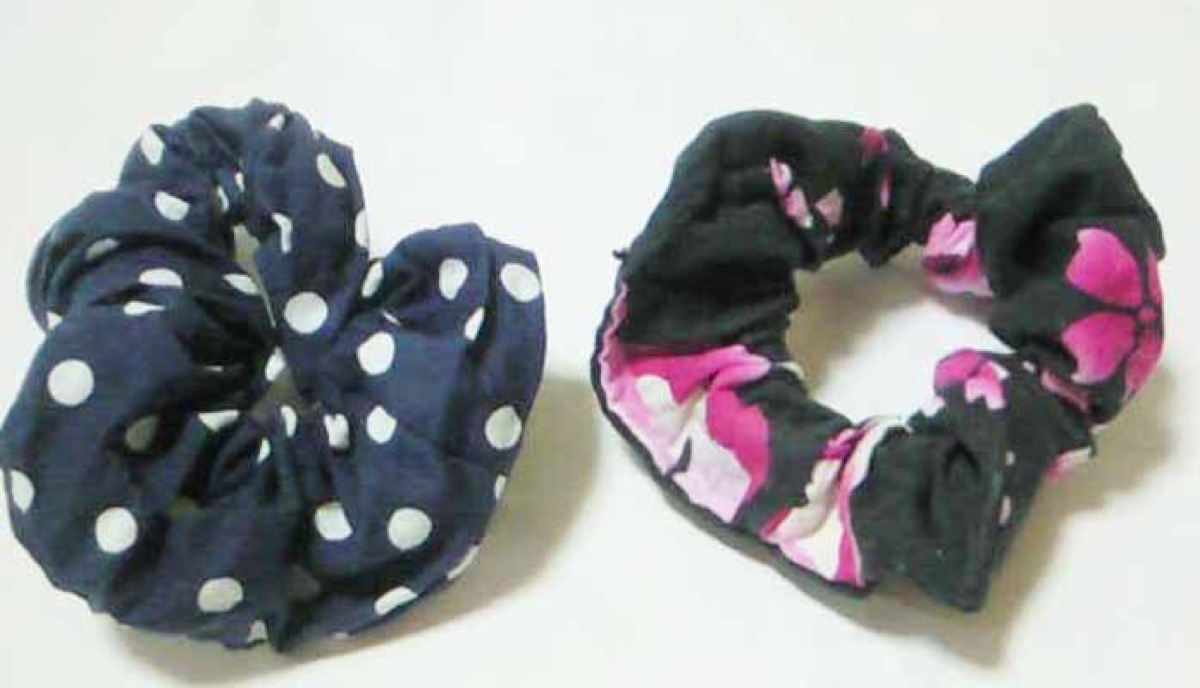
The elastic hair tie wrapped in fabric that came in every color, pattern, and fabric texture imaginable — velvet, neon, holographic, gingham. Patented by Rommy Revson in 1987 and sold as Scünci, scrunchies were the ubiquitous hair staple that defined how an entire generation held up their ponytails and side-swept bangs.
Claire's
The ear-piercing rite of passage: the window chair, the piercing gun, picking starter studs while your friends pressed against the glass. Claire's claims more ear piercings than any other retailer — over 100 million — and for generations of tween girls it was the reason the mall existed: bins of cheap earrings, chokers, butterfly clips, and best-friend necklaces made to be split in half.

Body Glitter
Roll-on, gel, or powder with a puff — applied to the collarbones, the eyelids, and eventually the entire upper body before a school dance. It came in every color imaginable, and its single defining property was that it never came off. Not that night, not that week, not from your bedsheets.