Ecco the Dolphin
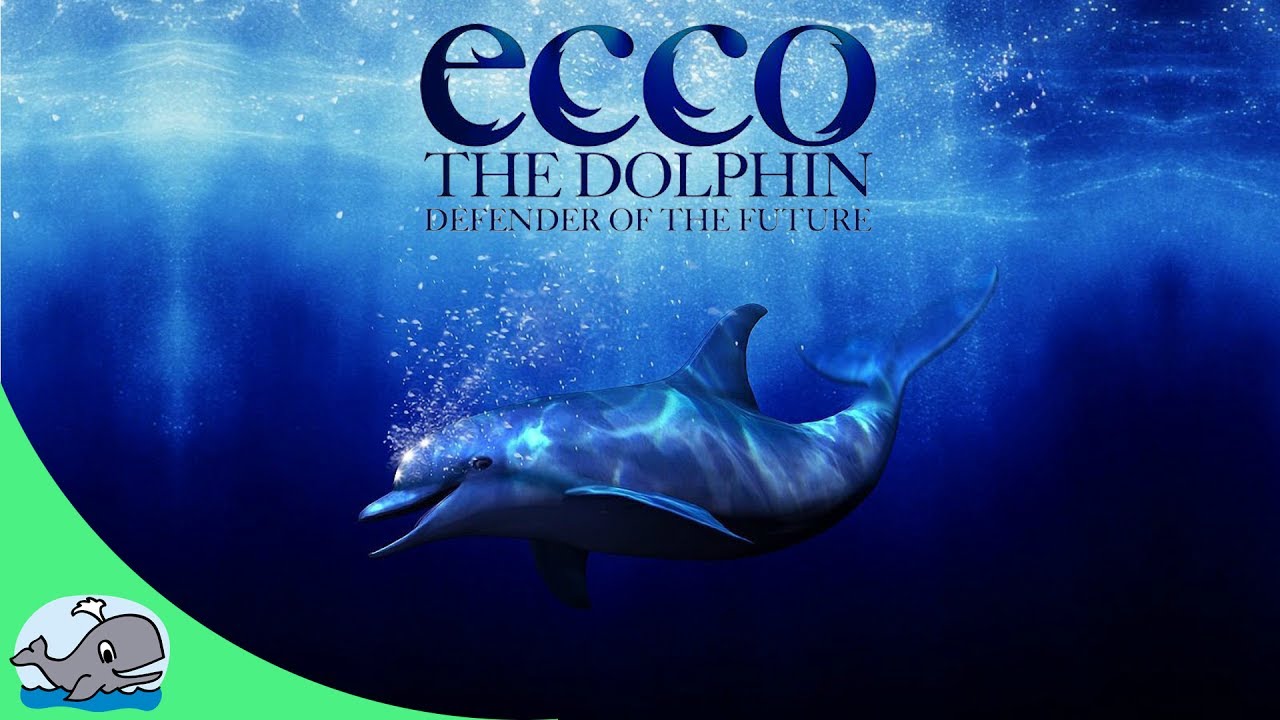
A serene ocean-documentary game that lures you into cosmic horror. You're a bottlenose dolphin searching for your pod after a mysterious storm rips them from the sea, only to discover time travel, Atlantis, and an alien menace called the Vortex. Ecco the Dolphin is notoriously, brutally hard — a beautiful betrayal that turns aquatic tranquility into an eerie hunt through the deep.
Designer Ed Annunziata and developer Novotrade International, a Hungarian studio, created Ecco for the Sega Genesis in 1992 as a game that defied easy categorization. It looked like a nature documentary, complete with whale song and coral reefs, but the narrative pivoted sharply into science fiction — the storm that separates you from your pod is revealed as an alien harvest, and your quest spirals into time travel, Atlantis, and a cosmic predator called the Vortex feeding at the bottom of the sea. The shift from peaceful ocean exploration to existential dread remains one of gaming's most unsettling tonal pivots.
Annunziata later admitted the legendary difficulty was deliberate: "I was paranoid about game rentals and kids beating the game over the weekend. So... I... uh... made it hard." Punishing as it was, the game became a bestseller on the Genesis, and the Sega CD version gained further cult status for its ambient, otherworldly soundtrack by composer Spencer Nilsen — a haunting sonic landscape that deepened the game's cosmic dread. Players who persevered spoke of Ecco in near-religious terms; plenty who didn't still remember it as the game that quietly terrified them.
The sequels — Ecco: The Tides of Time (1994), the spin-off Ecco Jr. (1995), and later Ecco the Dolphin: Defender of the Future for the Dreamcast (2000) — never quite recaptured the original's uneasy magic. But Ecco's strange beauty gave it an unexpected second life: it became a touchstone of vaporwave-era internet aesthetics and of grown adults admitting "this game secretly scared me as a kid." Proof that a game doesn't need to be a horror title to haunt a generation.
Similar items

Sega Genesis
Sega's 16-bit home console arrived in 1989 and dominated the early 90s with its attitude, speed, and Sonic the Hedgehog. The Genesis ('Mega Drive' everywhere else) promised 'Blast Processing' and delivered games that felt faster and edgier than what Nintendo offered, winning hearts — and quarters — across a generation.

Sega Menacer
A cordless infrared light gun for the Sega Genesis that could be built up from a handgun into a shoulder-mounted bazooka. It looked futuristic and felt powerful—there was just almost nothing worth shooting at.

Vectorman
The late-Genesis showpiece: a run-and-gun platformer starring a robot built from articulated green orbs, with pre-rendered graphics meant to prove the aging console could still hang with the SNES. It also came with a genuinely wild promotion — a hidden $25,000 prize.
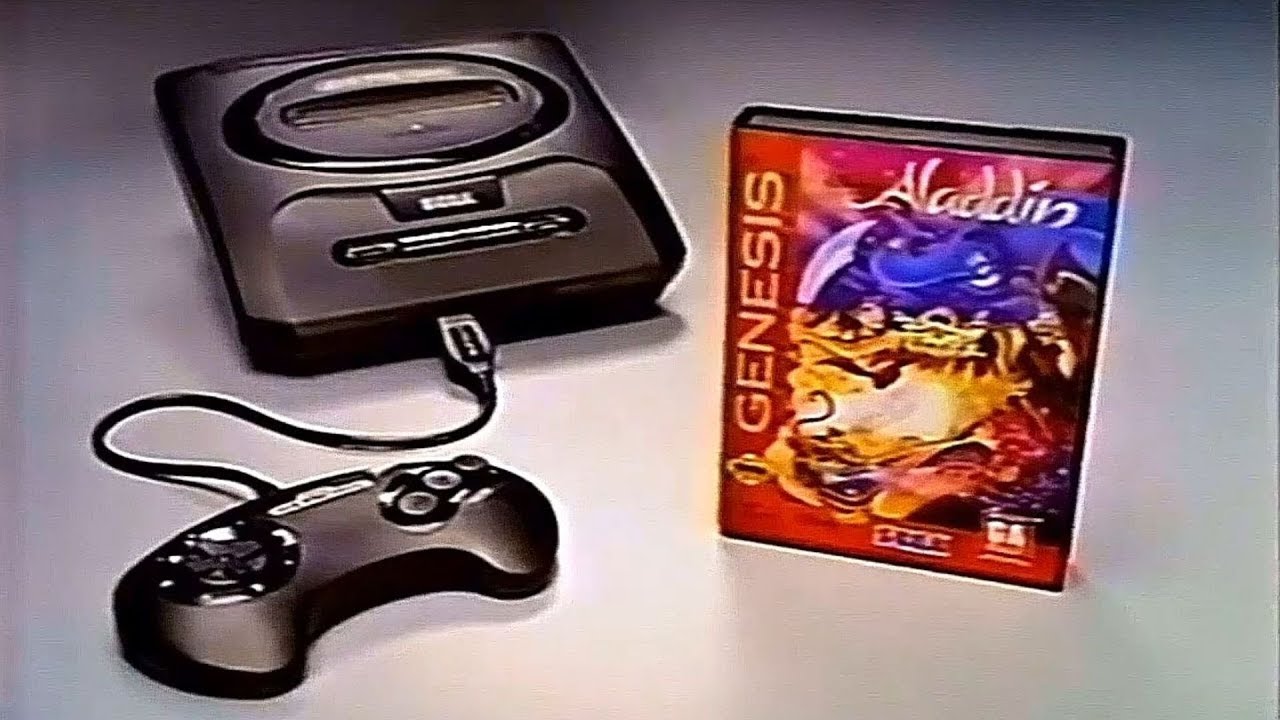
Disney's Aladdin (Genesis)
Virgin Games didn't just make a movie tie-in — they got actual Disney animators to draw the game, so Aladdin ran, leapt, and sword-swung across your Genesis with real film-grade animation. Four million copies later, it was one of the best-selling Genesis games ever, and one half of an eternal playground debate with the totally different SNES version.