Ringback Tones

Paying a couple of dollars so that everyone who called you heard a song instead of a ring. Ringback tones were the 2000s' strangest music purchase: the one person who never heard it was you.
The ringback is the oldest sound in telephony that nobody names: the tone a caller hears while the other phone rings — in North America, two seconds on and four off, at 440 and 480 hertz. In the early 2000s carriers realized that the silence between dialing and "hello" was sellable. The idea took off in Asia, especially South Korea, where the first patents had been filed in 1999, and India's service reportedly signed a million subscribers within about five months of launch.
A small carrier, First Cellular of Southern Illinois, launched the first U.S. ringback service in October 2004; Verizon Wireless followed on November 16, calling itself "the first national carrier to offer Ringback Tones" and launching in Sacramento and Southern California with more than 2,200 songs across 13 genres, at 99 cents a month plus $1.99 a year per tone; T-Mobile's CallerTunes went nationwide first, in December. A Yankee Group analyst projected U.S. ringback sales going from "essentially zero in 2004" to $300 million by 2008, while Jupiter Research's Michael Gartenberg warned the change might "cause a little bit of confusion" for older callers. Sprint followed with Call Tones, and Cingular was the last of the big carriers, launching Answer Tones in June 2006 with 20-second Warner Music clips at $1 a month and $2 a tone, plus a "Say My Name" promotion in which artists greeted callers by common first names.
It worked, for a while. M:Metrics counted U.S. ringback subscribers more than tripling in 2006, from 2.4 million in January to nearly 8 million by November, even as the share of people buying ordinary ringtones slipped; IDC was predicting more than 40 million users by 2010. The industry's favorite argument, in M:Metrics' words: "Since it's impossible to hack a ringback tone, this growing market is not threatened by piracy." The buyer's experience was odder — you picked a song as a statement to the world and never heard it yourself unless you called your own number. By 2014 AT&T had stopped offering ringback tones, citing low sales.
Similar items
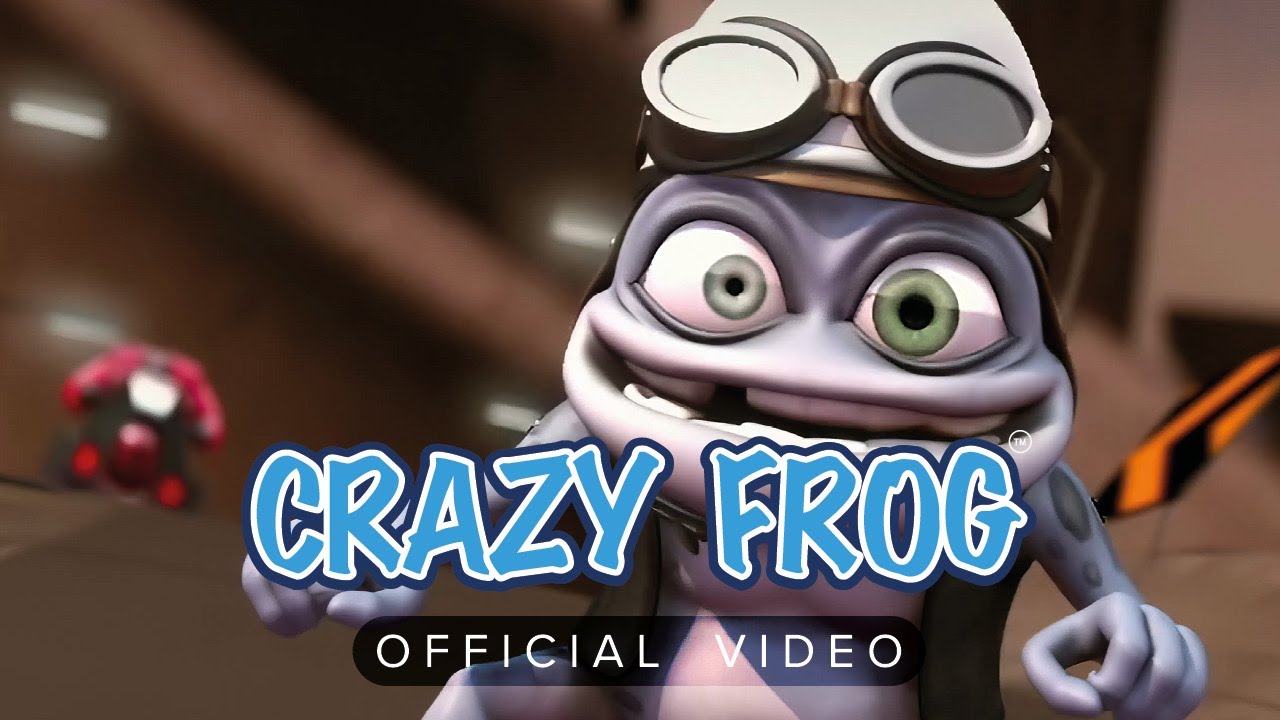
Ringtones & Crazy Frog
Before smartphones, your ringtone was your personality — monophonic beeps, then polyphonic MIDI, then "real tones," each tier a status upgrade bought from services like Jamster. And looming over the whole era: a CGI frog doing a moped impression, outselling Coldplay.

Cingular Wireless
The orange X, the "Raising the Bar" signal bars, Rollover minutes, and a name that vanished days before the iPhone went on sale. Cingular was America's biggest wireless carrier for not quite three years.

Motorola Razr
The Razr V3 launched in late 2004 as the world's thinnest clamshell phone at a shocking $500. Its anodized-aluminum body, laser-etched keypad, and impossible thinness made it a fashion statement. When the price dropped in 2005–2006, everyone had one—and snapping it shut after a call was the whole point.

T9 Texting & Ringtones
Typing "home" and getting "good," texting blind from inside your pocket, and a computerized frog selling ringtone subscriptions between every cartoon. The whole keypad-phone universe, in one glorious, beeping memory.