Ringtones & Crazy Frog
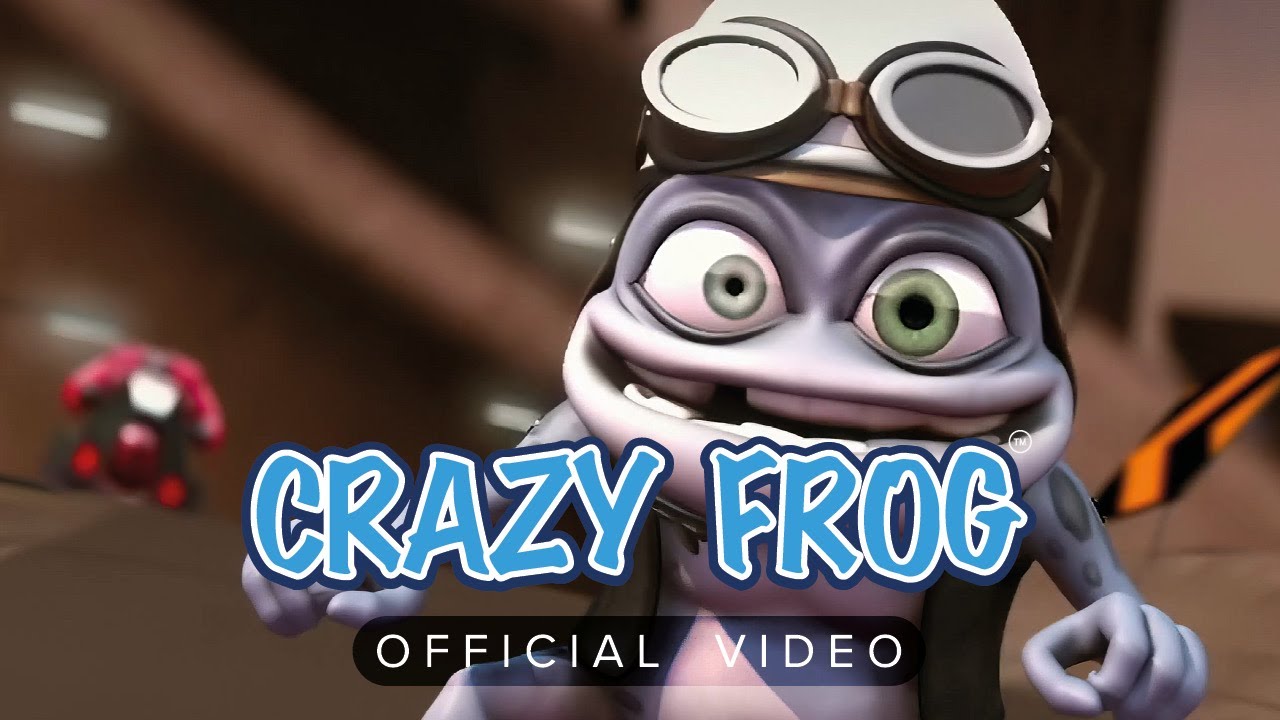
Before smartphones, your ringtone was your personality — monophonic beeps, then polyphonic MIDI, then "real tones," each tier a status upgrade bought from services like Jamster. And looming over the whole era: a CGI frog doing a moped impression, outselling Coldplay.
In the 2000s a ringtone was a public statement, and upgrading it cost real money. The hierarchy ran from monophonic beeps to polyphonic MIDI to "real tones" — actual song audio — sold a few dollars at a time by services like Jamster, whose subscription fine print kept on billing long after the novelty wore off. It became a genuine industry with a genuine mascot: Crazy Frog.
The frog's origin chain is peak internet. In 1997, Swedish teenager Daniel Malmedahl recorded himself imitating a two-stroke moped engine and posted it online. In late 2003, animator Erik Wernquist built a CGI character around the sound and posted it as "The Annoying Thing"; Jamster licensed it in mid-2004 and renamed it Crazy Frog — Wernquist later said that had he known how big it would get, he'd never have allowed "that stupid name." The ad blitz that followed was legendary: in May 2005 alone, Jamster bought 73,716 TV spots in the UK — nearly 2,378 a day — until the flooded-with-complaints Advertising Standards Authority restricted the ads that September. Then the ringtone became a pop single: "Axel F," released May 23, 2005, debuted at UK #1 and stayed four weeks, famously beating Coldplay's "Speed of Sound" to the top, and hit #1 in Australia, New Zealand, and Turkey.
The paid-ringtone economy evaporated at the end of the decade, once smartphones let everyone load their own MP3s for free. What remains is the muscle memory: a cafeteria table of flip phones, each one announcing its owner.
Similar items
![Video thumbnail — Jamster Sweety the Chick Mobile Ringtone commercial [2005, HQ]](https://i.ytimg.com/vi/DZr8xVZATk8/maxresdefault.jpg)
T9 Texting & Ringtones
Typing "home" and getting "good," texting blind from inside your pocket, and a computerized frog selling ringtone subscriptions between every cartoon. The whole keypad-phone universe, in one glorious, beeping memory.

Nokia 3310
The brick phone that became a meme—Nokia's 3310 was the phone that survived drops that would kill any modern device. Released in 2000 and sold over 126 million times, it was famous for its indestructibility, the built-in Snake II game, interchangeable colored covers, and the iconic Nokia tune ringtone. It was the anti-smartphone years before the smartphone era, representing the peak of durable simplicity.

Motorola Razr
The Razr V3 launched in late 2004 as the world's thinnest clamshell phone at a shocking $500. Its anodized-aluminum body, laser-etched keypad, and impossible thinness made it a fashion statement. When the price dropped in 2005–2006, everyone had one—and snapping it shut after a call was the whole point.
![Video thumbnail — Flo Rida - Low (feat. T-Pain) [Official Video]](https://i.ytimg.com/vi/U2waT9TxPU0/hqdefault.jpg)
"Low" by Flo Rida ft. T-Pain
Apple bottom jeans, boots with the fur. One line, and Flo Rida's 2007 debut single became the ringtone anthem of school cafeterias and bus seats everywhere — ten straight weeks at number one, and Billboard's #1 song of 2008.