Peanut Butter Twix

The chocolate-and-peanut-butter version that proved the eternal Twix schism was real. It arrived in the '80s, ruled the '90s, then vanished — only to remind a generation just how much they missed it. For some, the peanut butter layer where the caramel should be is the only Twix that matters.
Twix began as a Mars creation in the United Kingdom, first produced in 1967 at the company's Slough factory — the name a portmanteau of "twin sticks," a nod to the two-bar pack. When Twix crossed the Atlantic, it made its first US appearance in 1976, then returned to American shelves for good in 1979, becoming a candy-aisle staple.
Mars didn't stop with caramel. In 1985, Twix Peanut Butter arrived, swapping the caramel layer for peanut butter over the chocolate cookie. For the next twelve years — until 1997 — the variant was a fixture on American candy shelves. That uninterrupted first run, 1985 through 1997, spans the entire childhood arc of kids who grew up in the '80s and '90s, and for that cohort Peanut Butter Twix wasn't a novelty. It was permanent.
Then, in 1997, it was gone. In the years that followed it drifted on and off shelves, and the exact timeline of its absences and comebacks is one of candy's chronically mis-told stories — the internet is full of confident, contradictory dates for when it returned, how long it lasted, and when it vanished again. What is certain is that it disappeared, was missed, was debated fiercely — and has kept coming back, with Mars relaunching peanut-butter takes on the bar more than once in the decades since.
Each comeback tapped the same truth, obvious since 1985: the Twix audience was never one audience. Some people are caramel-Twix devotees, unwavering and absolute. Others are Peanut Butter Twix people, equally certain that the peanut butter layer is the only version that matters. It is a small, sweet dividing line that has run through American candy culture for four decades.
Similar items
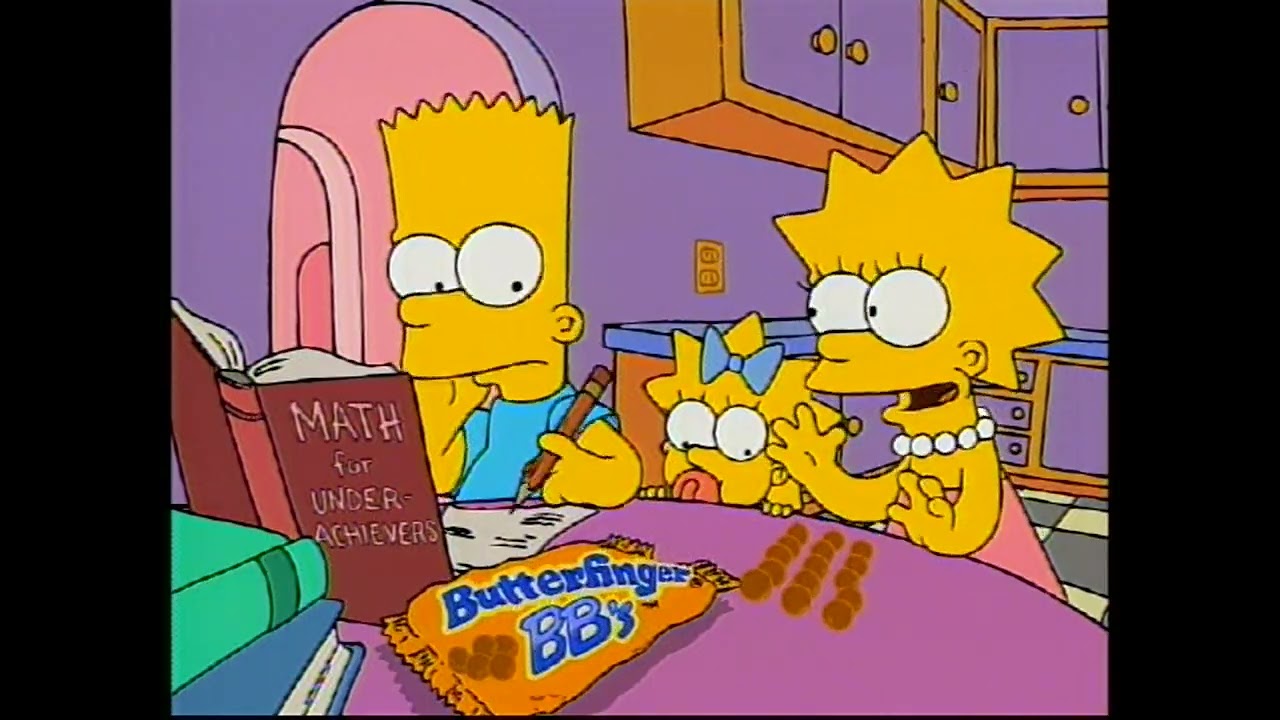
Butterfinger BB's
Marble-sized spheres of Butterfinger — crispy peanut-butter core wrapped in chocolate — sold in resealable pouches and at movie-theater counters. The Simpsons were the face: Homer eternally scheming to get at Bart's stash, Bart warning that nobody better lay a finger on his Butterfinger. Launched in 1992, discontinued in 2006 with no explanation — and fans never stopped asking for a comeback.
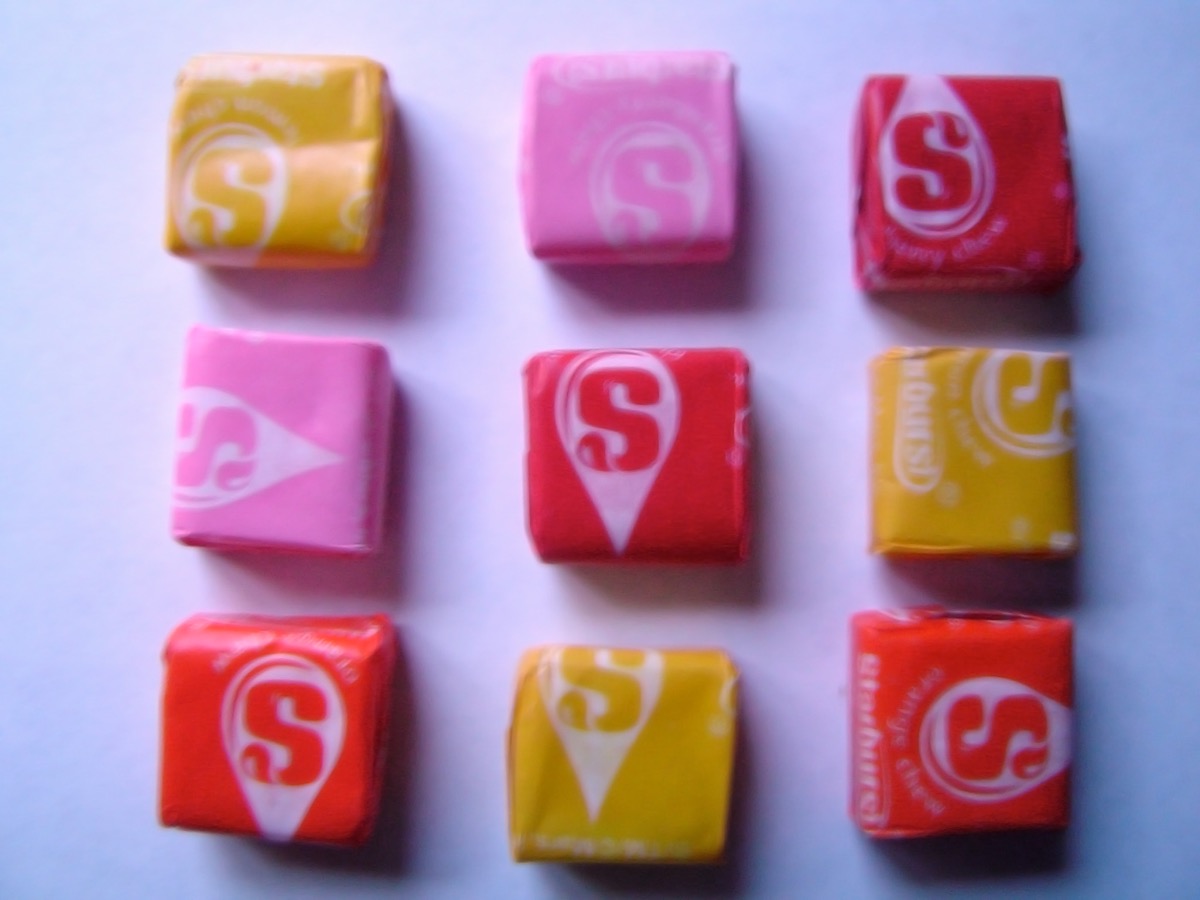
Starburst
Juicy square fruit chews in individual twist wrappers, with a transatlantic double identity — Opal Fruits in Britain, Starburst in America — and a lunchroom economy all their own, in which pink was a personality trait and the wrappers became origami.

Hershey's Kissables
Miniature Hershey's Kisses in a crunchy candy shell — red, orange, yellow, green, and blue, poured straight from the pouch. Hershey's answer to M&M's lasted less than four years before quietly vanishing in 2009, leaving behind one of the 2000s' most specifically mourned candies.

PB Max
Mars's turn-of-the-'90s creation: a square of whole-grain cookie topped with creamy peanut butter, enrobed in milk chocolate studded with crunchy cookie bits. It became legendary not for its sales — which were solid — but for the family politics behind its disappearance.