Paper Football

A sheet of notebook paper folded into a fat triangle, flicked across the cafeteria table until it hung over the far edge for a touchdown, then kicked through the goalposts your opponent made with his thumbs and index fingers. No equipment, no supervision, and it ended when a teacher told you to stop.
Nobody knows who folded the first one. Paper football, also called flick football, tabletop football or thump football depending on the school, shows up in memories from the late 1960s and early 70s: a sportswriter has recalled a full league with eight teams and a championship called the Dixie Cup running through fourth-period lunch at a suburban Chicago high school in 1968, and it was played at church youth groups in Madison, Wisconsin, in the early 70s. Wherever it started, it spread the way all desk games spread, one lunch table at a time, and by the 90s every kid in America could fold one without looking.
The fold is the same as a flag. Tear a sheet of notebook paper in half lengthwise, fold the strip lengthwise again, then fold the bottom corner up into a triangle and keep folding triangles up the strip, tucking the tail into the last pocket so it holds. The rules were mostly agreed on: flick to kick off, take turns sliding it toward your opponent's edge, and a touchdown when it stops hanging over the edge without falling. After a score came the field goal, held on its point and flicked through the goalposts your opponent made with his hands, index fingers touching and thumbs straight up or the reverse depending on the school, and the extra point was really the whole reason to play, because a good kick went across the room and a bad one hit your opponent in the eye.
It lived wherever there was a table and no adult: the cafeteria, the back of a bus, the desk during a substitute, the kitchen table on a rainy day. Bans made it better. A confiscated football was replaced in thirty seconds from any notebook, and the one thing a teacher could not confiscate was the fold. The game has never really gone away, since the equipment still comes free in every classroom, but it belongs to the era before phones filled the gap between the tray and the bell.
Similar items
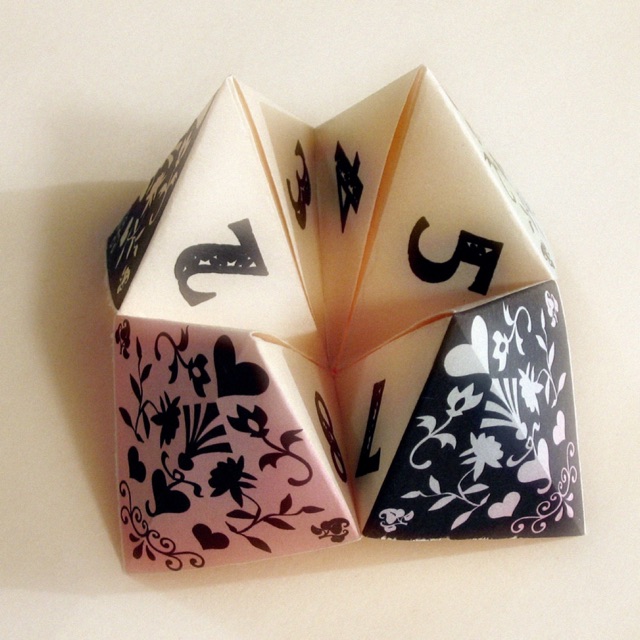
Paper Fortune Tellers
The folded-paper contraption you worked with your fingers to tell someone their future. Pick a color, pick a number, and under the last flap was your fate — who you'd marry, or something rude your friend had written. The classroom fortune-teller you could make out of a single square of notebook paper.

MASH
The pencil-and-paper fortune game that predicted your whole adult life in a few minutes: who you'd marry, what car you'd drive, how many kids you'd have, and — the joke of the whole thing — whether you'd end up in a Mansion, an Apartment, a Shack, or a House.
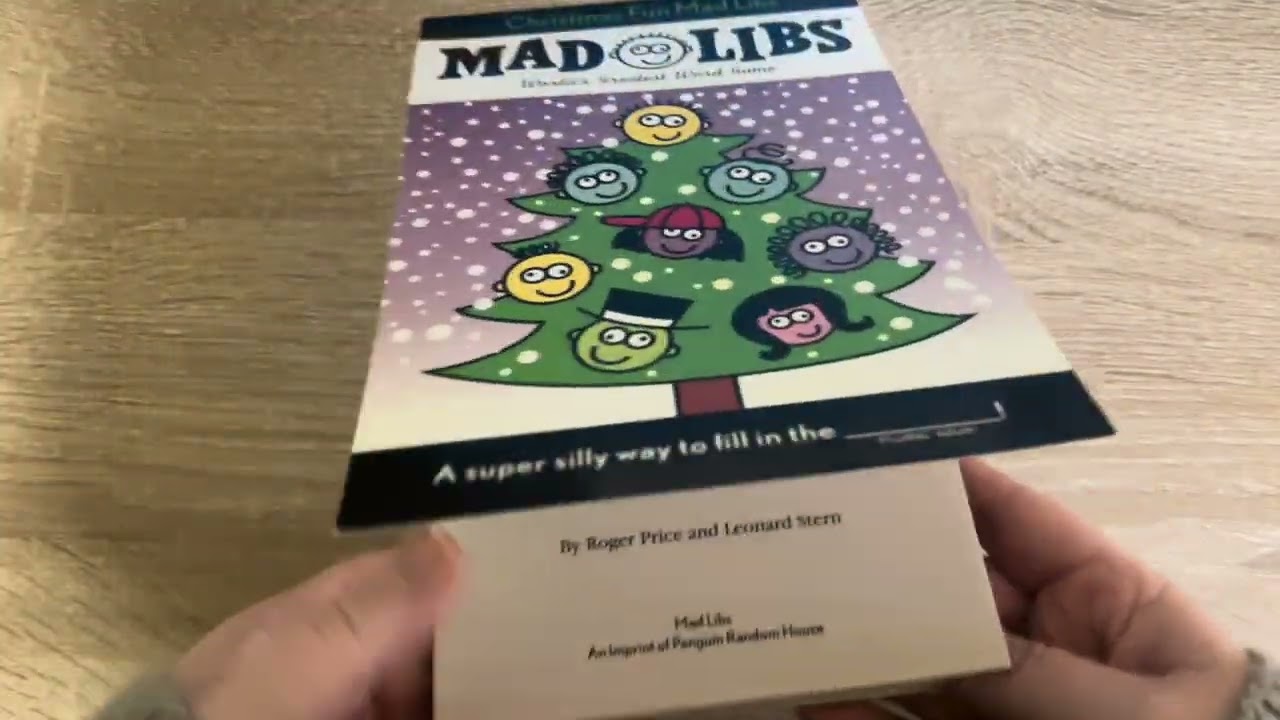
Mad Libs
The fill-in-the-blank word game in book form: someone asks for "a noun… a plural noun… an adjective," you shout out words with no idea of the story, and then they read back something gloriously absurd. A road-trip, sleepover, and rainy-day-classroom staple for generations.

Yikes! Pencils
Pencils that didn't look like wood. Created by Ken Cooper at Empire Berol, Yikes! Pencils hit back-to-school 1993 in neon colors, wild patterns, and clashing dyes that made your standard wooden No. 2 look boring by comparison. They were a lunchbox status symbol and the kind of thing you'd trade or lose and actually care about.