Orkut
Google's first social network — named after the engineer who built it — where you left "scraps" on friends' pages, rated them Trustworthy, Cool, or Sexy, and joined communities for everything. A modest curiosity in America, it became a full-blown national obsession in Brazil and India.
Orkut launched quietly on January 22, 2004 — about two weeks before Facebook — built by Orkut Büyükkökten, a Turkish software engineer at Google who developed it as one of the company's famous "20 percent" side projects and ended up with the site named after him. Its culture was unmistakable: public "scraps" scrawled on friends' pages, testimonials, sprawling communities for every interest, and the gloriously blunt friend-rating system that scored people as "Trustworthy," "Cool," or "Sexy" on a scale of one to three. It even arrived with drama — Büyükkökten's former employer Affinity Engines sued in June 2004, claiming Orkut was built on code from his earlier college-networking system, pointing to nine identical bugs.
The strange, wonderful thing about Orkut is where it caught fire. While MySpace and then Facebook won the United States, Orkut became one of the most visited websites in both Brazil and India in 2008 — it has been called the only genuinely thriving social network in India between 2005 and 2008, and Brazil embraced it so completely that in 2008 Google handed the whole operation to Google Brazil in Belo Horizonte. For millions of Brazilians and Indians, "social networking" simply meant Orkut.
Facebook eventually outgrew it everywhere, and on June 30, 2014, Google announced the shutdown, completed that September 30 — even at the end, more than half of Orkut's traffic still came from Brazil. Google preserved the public communities in a permanent archive, and in 2022 the dormant orkut.com briefly flickered back to life with a letter from Büyükkökten teasing that something new was coming. Nothing quite has — but for a generation on two continents, the network named after one of its own engineers was the internet's town square.
Similar items

MySpace
MySpace launched in August 2003 and became the social network that swallowed the mid-2000s internet — where everyone's first friend was Tom. Top 8 rankings sparked drama, profile songs played on auto-load, and DIY HTML customization meant glitter graphics and autoplay music ruled. Bands broke careers there; it was the most-visited website in the US by 2006.
Friendster
The social network you joined before you even knew what a social network was. Millions made their first-ever online "profile" on Friendster — then MySpace came along, and the site that started it all became the cautionary tale.
Early Facebook
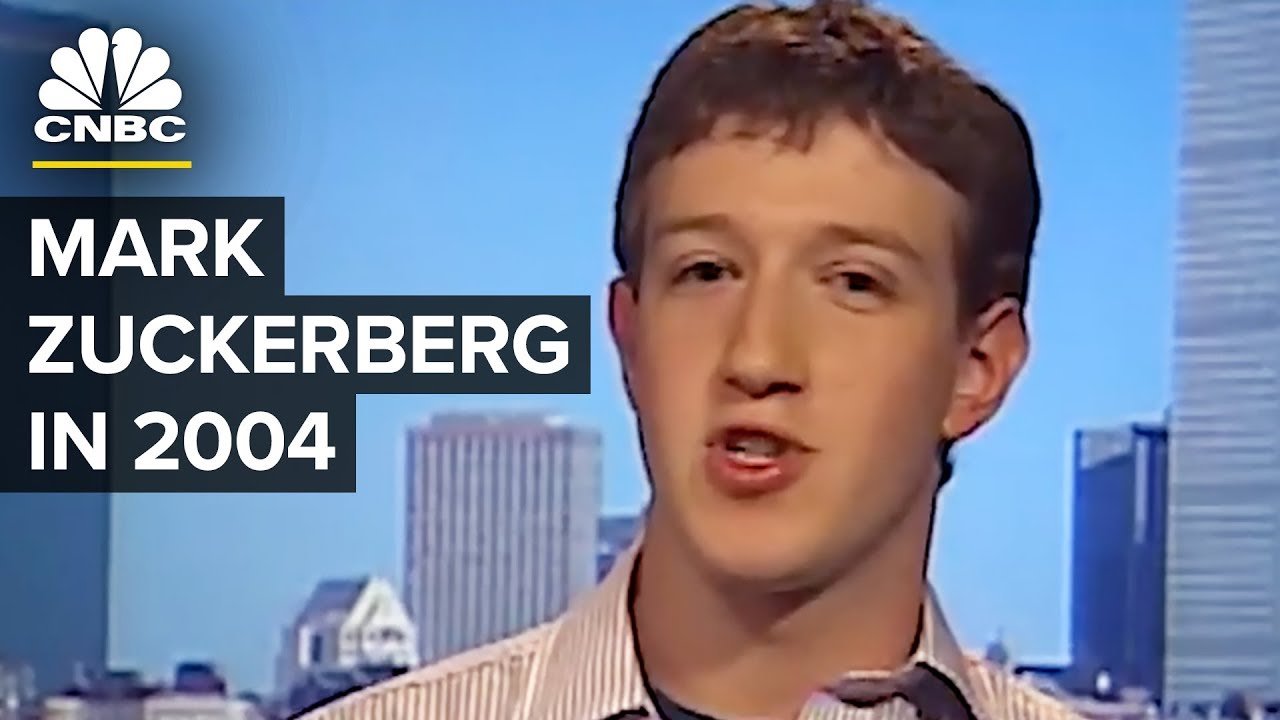
Mark Zuckerberg launched TheFacebook from a Harvard dorm in 2004, and it spread to college campuses like a virus — exclusive, intimate, and gated behind a .edu email address. By 2006, when it opened to anyone with an email address, the velvet rope had fallen and the era was over.

Xanga & LiveJournal
The blogging platforms where a generation over-shared for the first time. LiveJournal and Xanga were where teenagers documented crushes, drama, and bad poetry in semi-public diaries before social networks centralized and monetized the same behavior.