Early Facebook
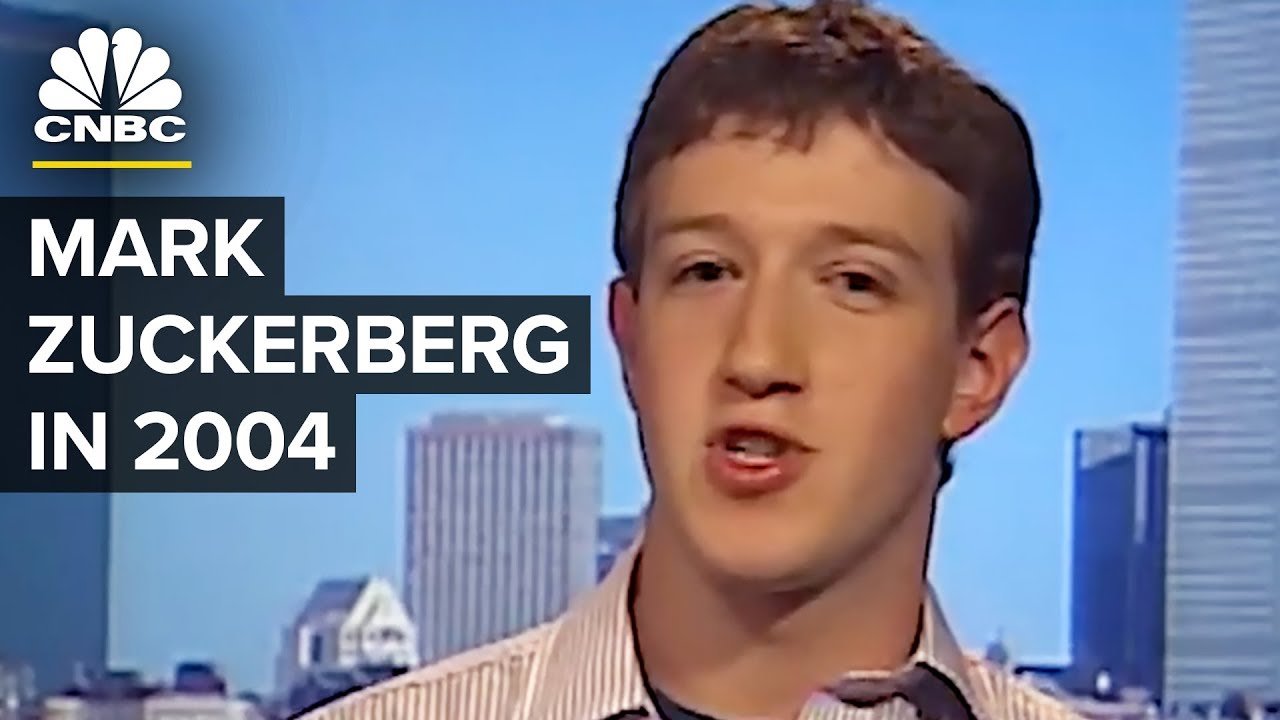
Mark Zuckerberg launched TheFacebook from a Harvard dorm in 2004, and it spread to college campuses like a virus — exclusive, intimate, and gated behind a .edu email address. By 2006, when it opened to anyone with an email address, the velvet rope had fallen and the era was over.
Mark Zuckerberg launched "TheFacebook" at thefacebook.com from his Harvard dorm on February 4, 2004, alongside co-founders Eduardo Saverin, Andrew McCollum, Dustin Moskovitz, and Chris Hughes. More than half of Harvard's undergraduates registered within the first month. By March 2004, the network expanded to Stanford, Columbia, and Yale, then rolled out to the other Ivy League schools and most US and Canadian universities.
The .edu email address became a status symbol — a marker that you belonged to the college world, that you were in. The ritual of the platform was intimate: writing on friends' walls, sending pokes that could mean anything or nothing, curating your profile's favorite movies and music as if assembling your identity. Getting "Facebook official" with a relationship felt like a rite of passage. In 2005, the company purchased the facebook.com domain from AboutFace Corporation for $200,000 and dropped the "The."
A high-school version launched in September 2005, beginning to crack the college-only world. Then on September 26, 2006, Facebook opened to anyone age 13 or older with an email address — no .edu required. The velvet rope came down, and what had been an intimate college social network suddenly became everyone's. That moment marked the end of this specific era: the era when Facebook was ours alone.
Similar items

MySpace
MySpace launched in August 2003 and became the social network that swallowed the mid-2000s internet — where everyone's first friend was Tom. Top 8 rankings sparked drama, profile songs played on auto-load, and DIY HTML customization meant glitter graphics and autoplay music ruled. Bands broke careers there; it was the most-visited website in the US by 2006.

Xanga & LiveJournal
The blogging platforms where a generation over-shared for the first time. LiveJournal and Xanga were where teenagers documented crushes, drama, and bad poetry in semi-public diaries before social networks centralized and monetized the same behavior.
Early YouTube
The video platform that made viral content a daily ritual. YouTube launched in 2005 as low-res, ad-free, and gloriously weird—a space where "Lazy Sunday," "Chocolate Rain," and "Charlie Bit My Finger" became the lingua franca of internet culture.
Orkut
Google's first social network — named after the engineer who built it — where you left "scraps" on friends' pages, rated them Trustworthy, Cool, or Sexy, and joined communities for everything. A modest curiosity in America, it became a full-blown national obsession in Brazil and India.